
How to Sleep Well While Quitting Smoking and Weed
Understanding the Challenge
Quitting smoking and weed can be a challenging journey, often accompanied by a host of withdrawal symptoms. One of the most common issues faced by those attempting to quit is disrupted sleep patterns. This article will explore effective strategies to help you sleep well while overcoming your dependence on these substances.
The Impact of Smoking and Weed on Sleep
Smoking
Nicotine, the primary addictive substance in cigarettes, is a stimulant that can keep you awake. When you quit, it's natural to experience withdrawal symptoms, including insomnia. The body adjusts to the absence of nicotine, which can lead to increased stress levels and difficulty falling asleep.
Weed
Cannabis affects the body's endocannabinoid system, which plays a crucial role in regulating sleep. While some users report feeling relaxed and sleepy after consuming weed, others may experience anxiety or restlessness that can interfere with sleep.
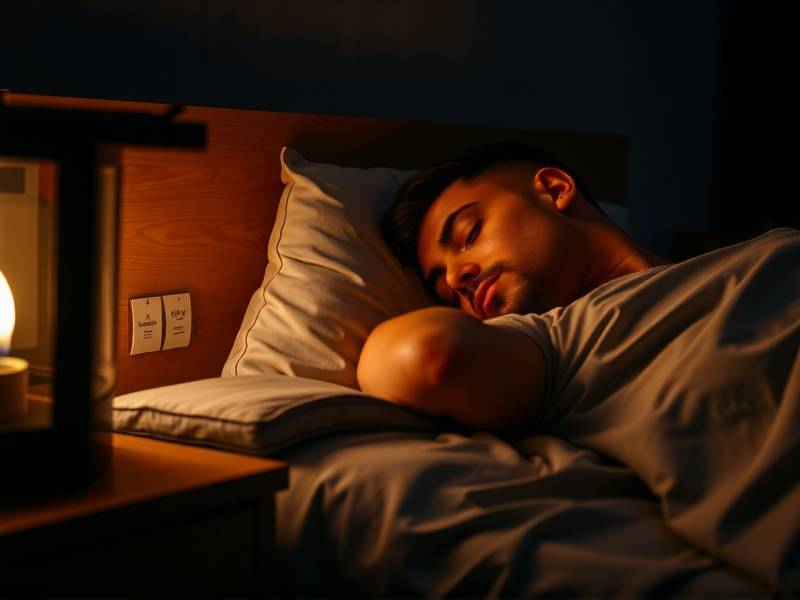
Strategies for Better Sleep During Quitting
Establish a Pre-Sleep Routine
Creating a consistent pre-sleep routine can signal to your body that it's time to wind down. This could include activities like reading a book, taking a warm bath, or practicing meditation or deep breathing exercises.
Create a Sleep-Friendly Environment
Your bedroom should be conducive to sleep. Keep the temperature cool (around 65°F or 18°C), minimize noise and light pollution, and ensure your bed is comfortable.
Limit Stimulants Before Bedtime
Avoid caffeine and other stimulants several hours before bedtime. These substances can disrupt your ability to fall asleep.
Stay Hydrated but Not Overly Full
Drinking water throughout the day is important, but try not to consume large amounts of fluids close to bedtime as this can lead to frequent waking for bathroom trips.
Consider Natural Supplements or Herbs
Some natural supplements and herbs may help alleviate withdrawal symptoms associated with quitting smoking and weed:
- Valerian root: Known for its calming effects.
- Melatonin: A hormone that regulates sleep-wake cycles.
- L-theanine: An amino acid found in green tea that promotes relaxation.
- Passionflower: Often used for its calming properties.
Always consult with a healthcare professional before starting any new supplement or herb.

Seek Professional Support
If you're struggling with sleep while quitting smoking or weed, consider seeking support from a healthcare provider or counselor who specializes in addiction treatment. They can offer personalized advice and support tailored to your needs.
Final Thoughts
Sleeping well while quitting smoking and weed is possible with the right strategies in place. By establishing a pre-sleep routine, creating a conducive environment, limiting stimulants before bed, staying hydrated but not overly full, considering natural supplements or herbs, and seeking professional support when needed, you'll be on your way to better rest during this challenging time. Remember that patience is key—your body will adjust over time as it adapts to life without these substances.