
Do Blood Vessels Really Repair Themselves After Quitting Smoking?
Unveiling the Truth: Do Blood Vessels Really Repair Themselves After Quitting Smoking?
Introduction: Smoking has been a widely discussed topic, and its harmful effects on health are no longer news. One of the most debated aspects of smoking cessation is whether blood vessels can repair themselves after quitting. In this article, we will explore the scientific evidence behind this question and provide insights into the process of blood vessel repair after smoking cessation.
Understanding Blood Vessels and Smoking
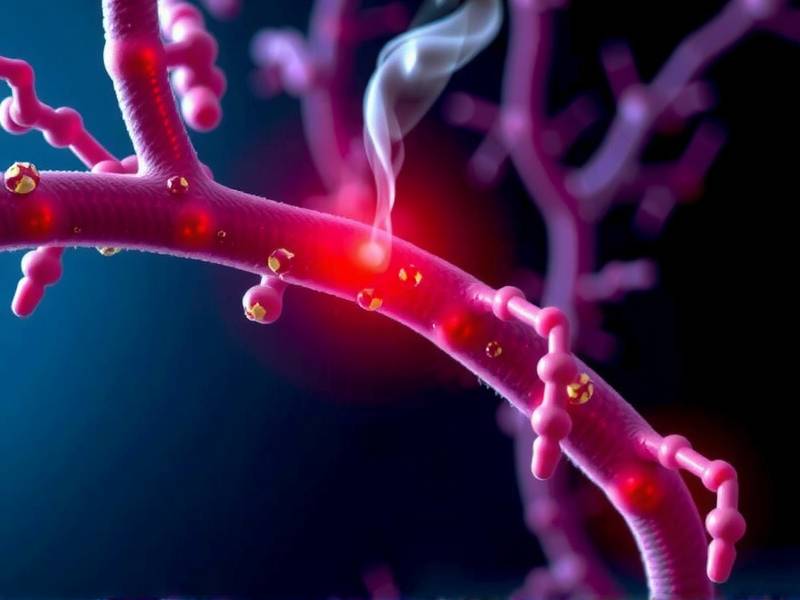
Blood vessels are crucial components of our cardiovascular system, responsible for transporting oxygen, nutrients, and other vital substances throughout the body. When you smoke, harmful chemicals like nicotine and carbon monoxide enter your bloodstream, causing damage to the inner lining of your blood vessels.
The Healing Process
The idea that blood vessels can repair themselves after quitting smoking is based on scientific research. Studies have shown that within a few weeks of quitting smoking, there are significant improvements in endothelial function – the ability of blood vessels to expand and contract.
Timeline of Repair
- First 2-12 Weeks: Within this period, your blood pressure begins to drop as the nicotine-induced vasoconstriction subsides. Additionally, there is an increase in high-density lipoprotein (HDL) cholesterol levels, which can help reduce the risk of heart disease.
- 3-6 Months: Your lung capacity starts to improve as the cilia in your lungs begin to regenerate. Furthermore, there is a reduction in inflammation within your arteries.
- 1 Year: The risk of coronary heart disease decreases by half compared to a smoker's risk.
- 5 Years: The risk of stroke reduces significantly.
- 10 Years: The risk of lung cancer decreases by about half compared to that of a continuing smoker.
Factors Affecting Repair
It's important to note that while blood vessels do have the potential to repair themselves after quitting smoking, certain factors can influence this process:
- Age: Younger individuals tend to recover faster than older ones.
- Duration of Smoking: Longer smoking duration may result in slower recovery.
- Genetic Factors: Some individuals may have genetic predispositions that affect their ability to repair damaged blood vessels.
- Diet and Exercise: A healthy lifestyle can accelerate the healing process.
Conclusion:
In conclusion, it is evident that blood vessels can indeed repair themselves after quitting smoking. While it may take time for these repairs to occur, it's essential for smokers who want to improve their health and reduce their risk of cardiovascular diseases to quit smoking as soon as possible. By adopting a healthy lifestyle and remaining vigilant about their health, former smokers can enhance their chances of full recovery.
Remember, every step towards quitting smoking brings you one step closer to better health!