
How to Heal Your Lungs After Quitting Smoking Weed: A Guide to Recovery and Health
Introduction
Quitting smoking weed can be a significant step towards improving your health, especially your respiratory health. The lungs are crucial organs that are often affected by smoking, and recovery is possible with the right approach. This guide will explore effective strategies to help heal your lungs after quitting smoking weed.
Understanding the Impact of Weed on Your Lungs
The Effects of Smoking Weed on Lung Function
Smoking weed introduces harmful substances into your lungs, which can lead to inflammation, coughing, and decreased lung capacity. Over time, these effects can exacerbate existing respiratory conditions or lead to new ones.
Immediate Changes After Quitting
Once you quit smoking weed, you may notice immediate changes in your breathing and overall lung function. These changes can be encouraging signs that your body is beginning its healing process.
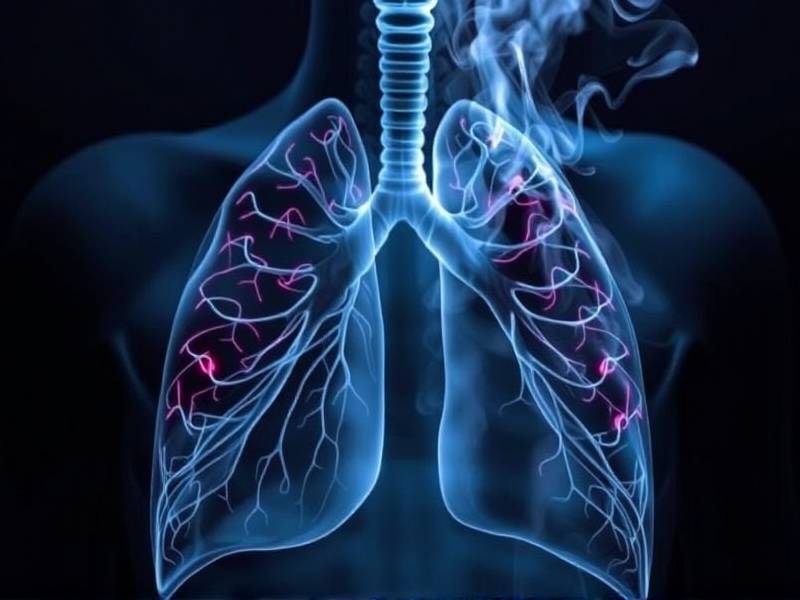
Strategies for Lung Recovery
1. Deep Breathing Exercises
Deep breathing exercises help increase lung capacity and improve oxygen flow. Techniques such as diaphragmatic breathing can be particularly beneficial.
2. Regular Physical Activity
Engaging in regular physical activity can enhance lung function and promote overall health. Activities like walking, jogging, or cycling are excellent choices.
3. Hydration
Drinking plenty of water helps keep the mucus in your lungs thin and easier to expel. Aim for at least eight glasses of water per day.
4. Avoiding Exposure to Pollutants
Minimize exposure to air pollutants such as smoke from vehicles or fireplaces, which can irritate your lungs and hinder recovery.
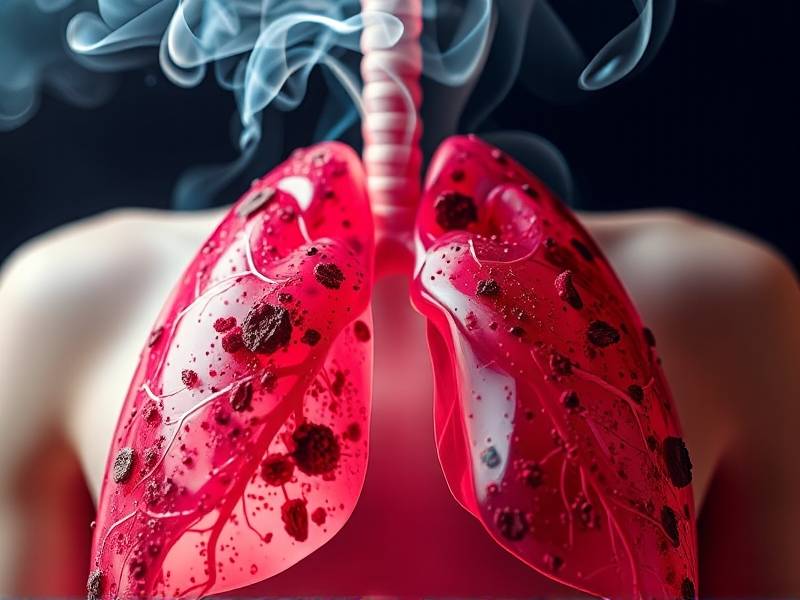
Nutritional Support for Lung Health
Vitamin D and E for Anti-Inflammatory Benefits
Vitamin D and E have anti-inflammatory properties that may help reduce lung inflammation associated with smoking weed.
Omega-3 Fatty Acids for Improved Lung Function
Omega-3 fatty acids have been shown to improve lung function in some studies. Incorporate foods rich in omega-3s into your diet or consider a supplement under medical guidance.
Professional Help for Advanced Recovery Needs
In some cases, professional help may be necessary for advanced recovery needs:
1. Pulmonary Rehabilitation Programs
These programs provide personalized exercise routines, education on managing respiratory conditions, and support from healthcare professionals.
2. Therapy
Counseling or therapy can assist with dealing with cravings and emotional challenges associated with quitting smoking weed.
Conclusion
Healing your lungs after quitting smoking weed requires time, patience, and dedication. By adopting a holistic approach that includes lifestyle changes, proper nutrition, physical activity, and seeking professional help when needed, you can improve your respiratory health significantly. Remember that recovery is a journey worth taking for the sake of better health today and in the future.