
Does the Lung Recover After Quitting Smoking Hookah?
Introduction
Hookah smoking, often perceived as a safer alternative to cigarettes, has gained popularity worldwide. However, the health risks associated with this habit are significant, particularly concerning lung function. This article delves into the question: does the lung recover after quitting smoking hookah? We will explore the science behind this query and provide insights based on recent studies.
The Health Risks of Hookah Smoking
Hookah smoking involves inhaling smoke from a water pipe, which is often flavored and contains tobacco. Despite its allure, hookah smoking poses numerous health risks. According to the Centers for Disease Control and Prevention (CDC), hookah smoke contains harmful chemicals similar to those found in cigarettes, such as carbon monoxide, tar, and nicotine.
Lung Damage from Hookah Smoking
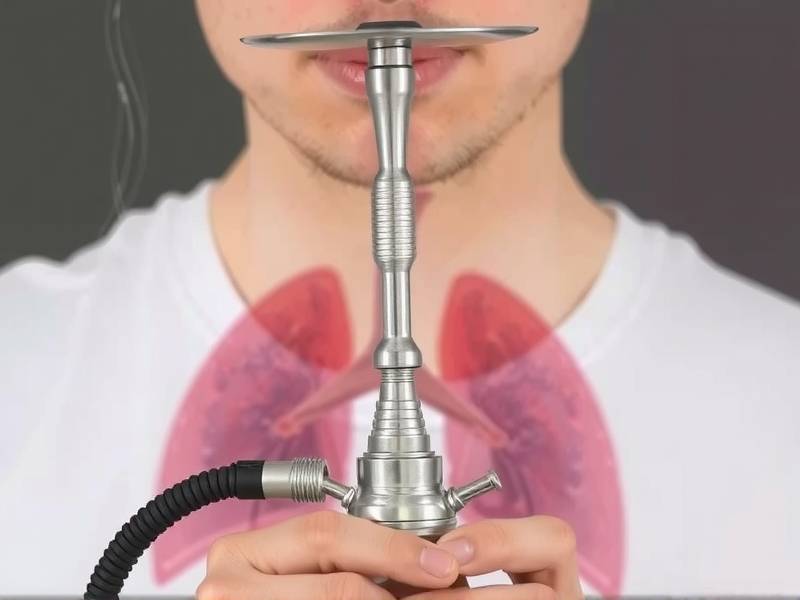
The smoke from a hookah can contain over 4,000 chemicals, including 40 cancer-causing substances. This smoke is inhaled more deeply and held longer than cigarette smoke, leading to increased exposure to harmful substances. Over time, this can cause significant damage to the lungs.
Short-Term Effects
Short-term effects of hookah smoking include respiratory irritation, coughing, and shortness of breath. These symptoms may not seem severe but can lead to more serious complications if continued over an extended period.
Long-Term Effects
Long-term effects of hookah smoking are similar to those of cigarette smoking and include chronic bronchitis, emphysema, and lung cancer. The risk of developing these conditions is directly related to the number of years smoked and the amount smoked daily.
Recovery Potential After Quitting Hookah Smoking
The good news is that quitting hookah smoking can lead to improved lung function and reduced health risks. Here's what happens when you quit:
Immediate Benefits
Within minutes of quitting hookah smoking, your blood pressure begins to drop as carbon monoxide levels decrease. Your heart rate also slows down.
One Month After Quitting
After just one month without hookah smoke exposure, your lung function starts to improve. You may notice that you have more energy and better overall respiratory health.
One Year After Quitting
One year after quitting hookah smoking, your risk of heart disease decreases significantly compared to when you were a regular smoker. Additionally, your lungs continue to recover as they clear out accumulated toxins.
Long-Term Benefits
Continued abstinence from hookah smoking leads to further improvements in lung function and a reduced risk of developing chronic respiratory diseases such as COPD (Chronic Obstructive Pulmonary Disease) or lung cancer.
Conclusion
In conclusion, quitting hookah smoking offers significant health benefits for your lungs and overall well-being. While recovery may take time depending on how long you smoked and how much you smoked daily, it's never too late to quit for good. If you're considering quitting or know someone who smokes hookah regularly, share this information with them as a reminder that there's always hope for better health through lifestyle changes.
Remember that seeking support from healthcare professionals can make the journey easier by providing guidance tailored specifically to your needs. Take control of your health today—your lungs will thank you!