
How Long Should a Cough Last After Quitting Smoking?
How Long Should a Cough Last After Quitting Smoking?
Introduction: Quitting smoking is a significant step towards a healthier life. However, it's not uncommon to experience withdrawal symptoms, including coughing. Many people wonder how long a cough should last after quitting smoking. In this article, we'll explore the factors that influence the duration of coughing and provide insights into managing this common issue.
Understanding the Cough: When you quit smoking, your body starts to heal and remove the accumulated toxins from your respiratory system. One of the most common withdrawal symptoms is a persistent cough. This cough is often caused by the irritation and inflammation of your airways due to the exposure to smoke.
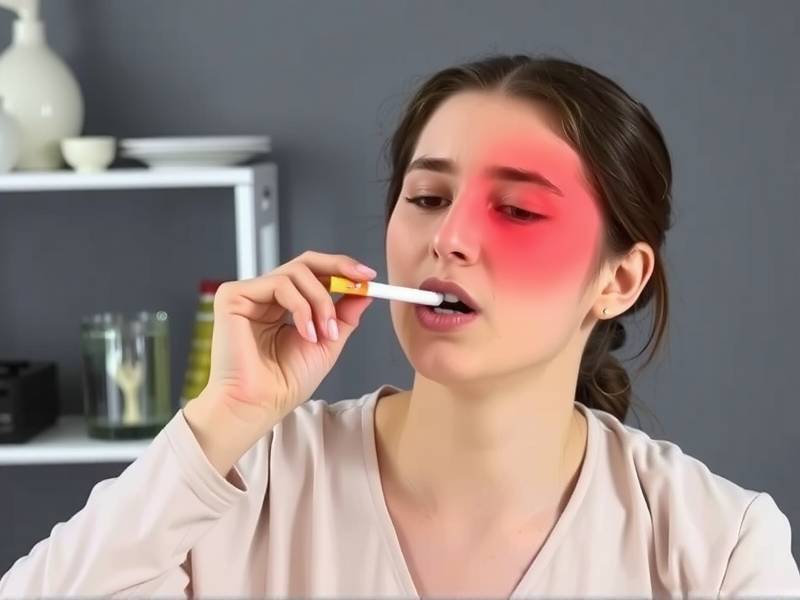
Factors Influencing Cough Duration: The duration of your cough after quitting smoking can vary from person to person. Several factors can influence how long it takes for your cough to subside:
-
The Length of Your Smoking Habit: If you smoked for an extended period, it may take longer for your body to heal and for your cough to disappear.
-
The Number of Cigarettes Smoked Daily: The more cigarettes you smoked daily, the more severe your cough may be.
-
Exposure to Secondhand Smoke: If you were exposed to secondhand smoke regularly, it may take longer for your airways to recover.
-
Presence of Other Respiratory Conditions: Individuals with pre-existing respiratory conditions like asthma or chronic bronchitis may experience a prolonged cough.
-
Environmental Factors: Exposure to pollutants or allergens can exacerbate your cough and delay recovery.
Duration of Cough After Quitting Smoking: The average duration of a cough after quitting smoking ranges from a few weeks to several months. Most people experience relief within 2-3 months, but some may take up to 6 months or more.
Managing Your Cough: To alleviate your咳嗽 and speed up recovery, consider the following tips:
-
Stay Hydrated: Drinking plenty of fluids helps thin mucus and clears out irritants in your airways.

-
Use Saline Nasal Sprays: Saline nasal sprays can help reduce congestion and irritation in your nose and throat.
-
Avoid Irritants: Minimize exposure to allergens, pollutants, and secondhand smoke as much as possible.
-
Practice Deep Breathing Exercises: Deep breathing exercises can help improve lung function and reduce inflammation in your airways.
-
Consult Your Doctor: If you have concerns about your cough or if it persists for an extended period, consult with a healthcare professional who can provide personalized advice and treatment options.
Conclusion: Quitting smoking is a challenging process that comes with various withdrawal symptoms, including coughing. Understanding the factors influencing咳嗽 duration can help manage this common issue effectively. By staying hydrated, avoiding irritants, practicing deep breathing exercises, and seeking medical advice when needed, you can support your body's healing process and reduce the duration of your cough after quitting smoking. Remember that perseverance is key – keep motivated towards achieving long-term success in maintaining a smoke-free lifestyle!