
Will Your Lungs Heal If You Quit Smoking?
The Promise of Lung Healing: A Journey to Quit Smoking
Introduction: The question of whether your lungs can heal if you quit smoking is a common concern among smokers seeking a healthier life. The answer is a resounding yes, but the journey to lung healing is unique for each individual. This article will explore the potential for lung healing, the factors that influence the process, and practical steps to support your journey towards better health.
Understanding Lung Damage from Smoking
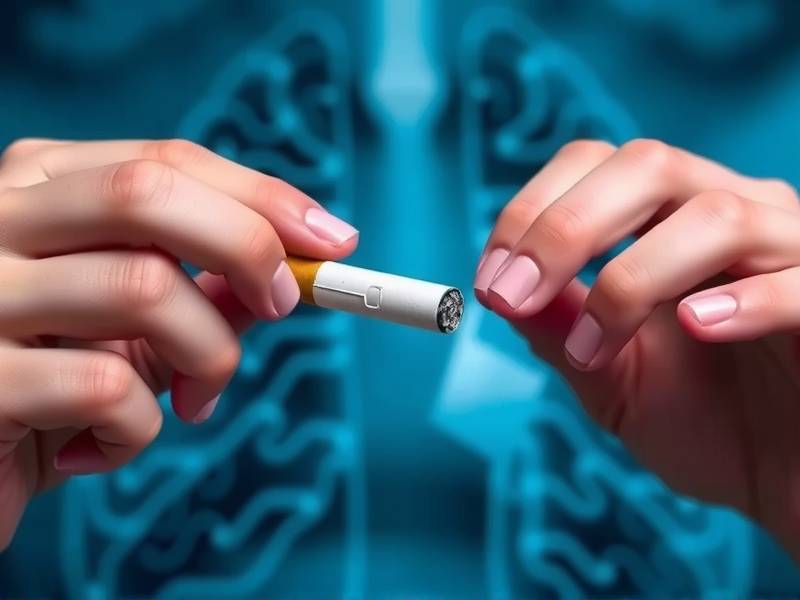
Smoking causes significant damage to the lungs by introducing harmful chemicals and toxins into the respiratory system. These substances can lead to chronic conditions such as chronic obstructive pulmonary disease (COPD), emphysema, and lung cancer. However, it's important to note that the body has an incredible capacity for self-repair.
The Healing Process: What to Expect
-
Immediate Benefits: Within minutes of quitting smoking, your body begins its healing process. Oxygen levels increase, and your heart rate starts to normalize.
-
Early Recovery: Within a few weeks or months after quitting, you may notice improvements in breathing and reduced coughing or shortness of breath.
-
Long-Term Healing: Over time, your lungs can continue to repair themselves. According to research from the American Lung Association, most smokers who quit before age 50 reduce their risk of dying from lung cancer by half compared to those who continue smoking.
Factors Influencing Lung Healing
Several factors can influence how quickly and effectively your lungs heal:
- Duration of Smoking: The longer you smoke, the more extensive the damage may be.
- Amount of Smoking: Heavy smokers may experience more significant challenges in lung healing compared to light smokers.
- Genetic Factors: Your genetic makeup can play a role in how well your body responds to quitting smoking.
- Overall Health: Smokers with existing health conditions may have a more complex recovery process.
Steps Towards Quitting Smoking
-
Set a Quit Date: Choose a specific day when you will stop smoking and prepare yourself mentally and physically for this change.
-
Seek Support: Joining support groups or seeking professional help from a therapist or counselor can provide valuable guidance and encouragement.
-
Alternative Therapies: Consider alternative therapies such as acupuncture or hypnotherapy, which some individuals find helpful in managing withdrawal symptoms.
-
Stay Active: Regular exercise can help improve lung function and overall well-being.
-
Monitor Your Progress: Keep track of your progress by noting improvements in breathing or other health indicators.
Conclusion:
Quitting smoking offers an incredible opportunity for lung healing and improved overall health. While the journey may be challenging, it's important to remember that every step towards quitting is a step towards better health. By understanding the potential for lung healing and taking practical steps towards quitting smoking, you can embark on a transformative journey towards a healthier life.