
Is It Normal to Have Chest Pains After Quitting Smoking?
Navigating Chest Pains After Quitting Smoking: Is It Normal?
Introduction: Quitting smoking is a significant step towards a healthier life. However, it's not uncommon to experience various withdrawal symptoms, including chest pain. This article delves into the question: Is it normal to have chest pains after quitting smoking? We'll explore the causes, symptoms, and what you can do if you experience them.
Understanding Chest Pains Post-Quitting Smoking
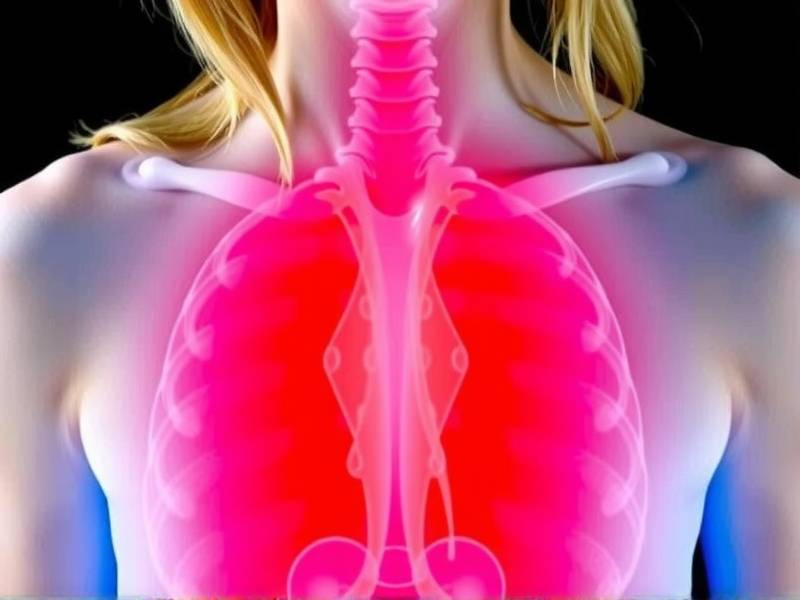
- Common Causes of Chest Pain After Quitting Smoking
When you quit smoking, your body starts healing from years of exposure to harmful toxins. One of the primary reasons for chest pain after quitting is the inflammation in your blood vessels and lungs. Here are some common causes:
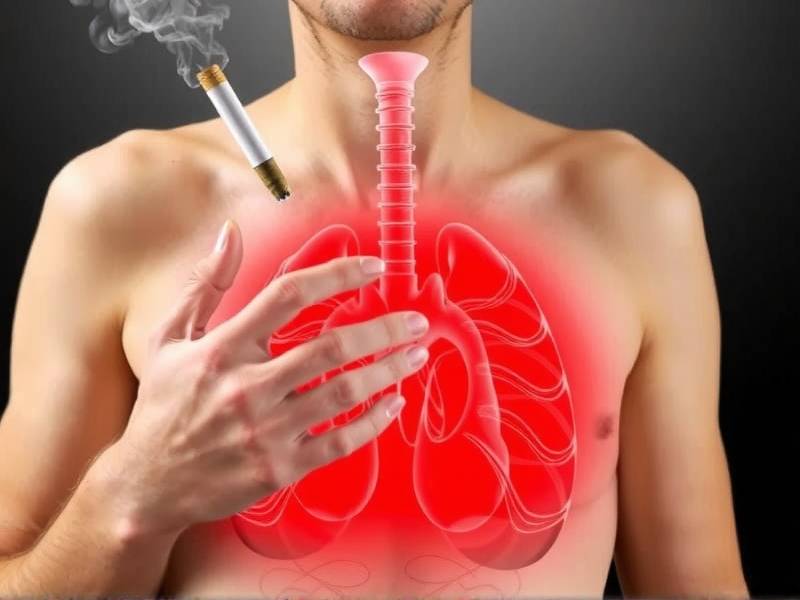
- Blood Vessel Inflammation: The inflammation in your blood vessels can lead to chest pain due to increased blood flow.
- Lung Inflammation: The lungs may become inflamed as they heal from the damage caused by smoke.
- Muscle Strain: Stopping smoking can cause muscle strain, especially if you've been coughing frequently.
- Symptoms to Watch Out For
Chest pain after quitting smoking can manifest in different ways. Pay attention to these symptoms:
- Sharp or Dull Pain: You might feel sharp or dull pain in your chest area.
- Pain That Radiates: The pain may spread to your shoulders, neck, or arms.
- Pain That Lasts for a Few Seconds or Minutes: If the pain is brief but persistent, it could be a sign of something serious.
- When Should You Seek Medical Attention?
While some chest pain after quitting smoking is normal and temporary, it's essential to know when to seek medical help. Consult a healthcare professional if:
- The pain persists for more than a few days.
- The pain becomes severe or worsens over time.
- You experience shortness of breath, fever, or other concerning symptoms.
Managing Chest Pain After Quitting Smoking
- Lifestyle Changes
Adopting a healthy lifestyle can help alleviate chest pain:
- Engage in regular physical activity.
- Maintain a healthy weight.
- Avoid exposure to secondhand smoke and pollutants.
- Deep Breathing Exercises
Deep breathing exercises can help improve lung function and reduce inflammation:
- Practice deep breathing techniques such as diaphragmatic breathing.
- Consider joining a pulmonary rehabilitation program.
- Stay Motivated
Remember that quitting smoking is an ongoing process. Stay motivated by setting achievable goals and celebrating milestones along the way.
Conclusion:
Experiencing chest pains after quitting smoking is not uncommon but should be taken seriously if they persist or worsen. By understanding the causes and symptoms and seeking appropriate medical attention when needed, you can ensure a smooth transition towards a smoke-free life. Stay proactive in managing your health and celebrate every step towards becoming smoke-free!