
Can Quitting Smoking Really Cause Digestive Problems?
Introduction: The Dilemma of Quitting Smoking
The decision to quit smoking is a significant step towards a healthier lifestyle. However, many smokers are hesitant due to the fear of experiencing withdrawal symptoms. One common concern is whether quitting smoking can lead to digestive problems. In this article, we delve into this topic to provide clarity and understanding.
Understanding the Connection
What Are Digestive Problems?
Digestive problems refer to issues that affect the digestive system, such as indigestion, bloating, constipation, or diarrhea. These problems can be caused by various factors, including diet, lifestyle, and underlying health conditions.
The Role of Nicotine in the Digestive System
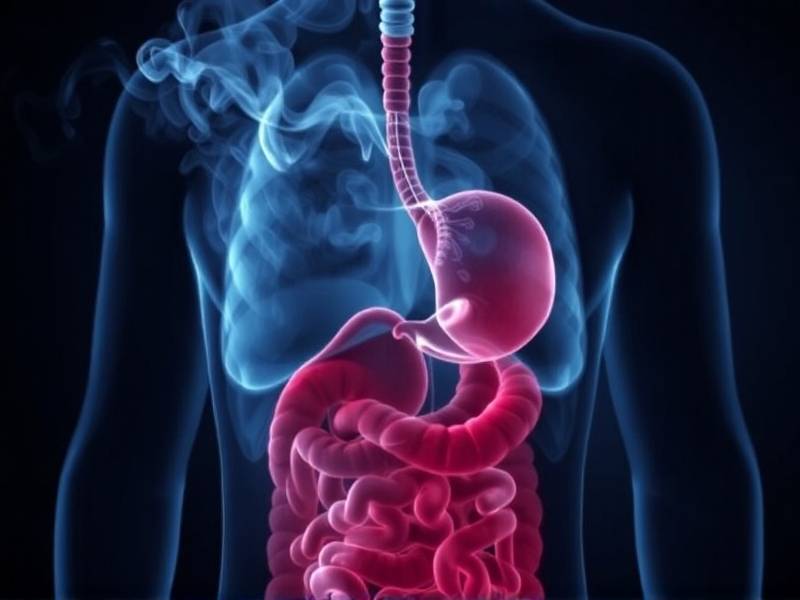
Nicotine, a key component of tobacco products, affects the digestive system in several ways. It can slow down digestion and increase stomach acid production. This can lead to discomfort and various digestive issues.
The Impact of Quitting Smoking on Digestion
When you quit smoking, your body undergoes several changes that can affect digestion:
1. Withdrawal Symptoms
Common withdrawal symptoms include nausea and stomach cramps. These symptoms are often temporary and usually subside within a few weeks.
2. Increased Saliva Production
Quitting smoking often leads to an increase in saliva production. This can make some people feel like they have indigestion or heartburn.

3. Improved Digestion Over Time
Contrary to popular belief, quitting smoking can actually improve digestion over time. As your body adjusts to the absence of nicotine, it may start functioning more efficiently.
Common Digestive Issues After Quitting Smoking
While some digestive issues may arise after quitting smoking, it's important to note that these are usually short-term and manageable:
1. Nausea
Nausea is a common symptom during the early stages of quitting smoking. It often diminishes as your body adjusts to not having nicotine.
2. Heartburn or Acid Reflux
Increased saliva production can sometimes lead to heartburn or acid reflux. This is usually temporary and can be managed with dietary changes and over-the-counter medications.
3. Constipation or Diarrhea
Some individuals may experience constipation or diarrhea after quitting smoking due to changes in their diet or lifestyle.
Managing Digestive Issues While Quitting Smoking
To manage digestive issues while quitting smoking:
- Stay Hydrated: Drink plenty of water throughout the day.
- Eat Small Meals: Eating smaller meals more frequently can help reduce discomfort.
- Avoid Trigger Foods: Identify foods that trigger your symptoms and avoid them.
- Exercise Regularly: Regular exercise can help improve digestion and overall health.
- Seek Professional Advice: If symptoms persist or worsen, consult with a healthcare professional for guidance.
Conclusion: The Path to Better Health
While it's true that quitting smoking may cause some short-term digestive issues for some individuals, these are generally manageable and temporary. The long-term benefits of quitting far outweigh any potential drawbacks related to digestion. By understanding these challenges and taking appropriate steps to manage them, you can successfully navigate the journey towards a smoke-free life.
Remember, seeking support from healthcare professionals and joining support groups can provide additional guidance and encouragement throughout your quit journey. Embrace the change for a healthier future!