
Does Lung Function Improve After Quitting Smoking?
Introduction
The decision to quit smoking is a significant step towards a healthier lifestyle. Many smokers are often concerned about the long-term effects of their habit on their health, particularly their lung function. This article delves into the question: does lung function improve after quitting smoking? We'll explore the science behind this transformation and provide insights into the recovery process.
The Immediate Impact of Quitting Smoking
When you quit smoking, your body begins an immediate process of healing. Within hours, your blood pressure starts to drop, and your heart rate and oxygen levels begin to stabilize. However, these changes are just the beginning.
Early Recovery: The First Year
1. Improved Lung Capacity
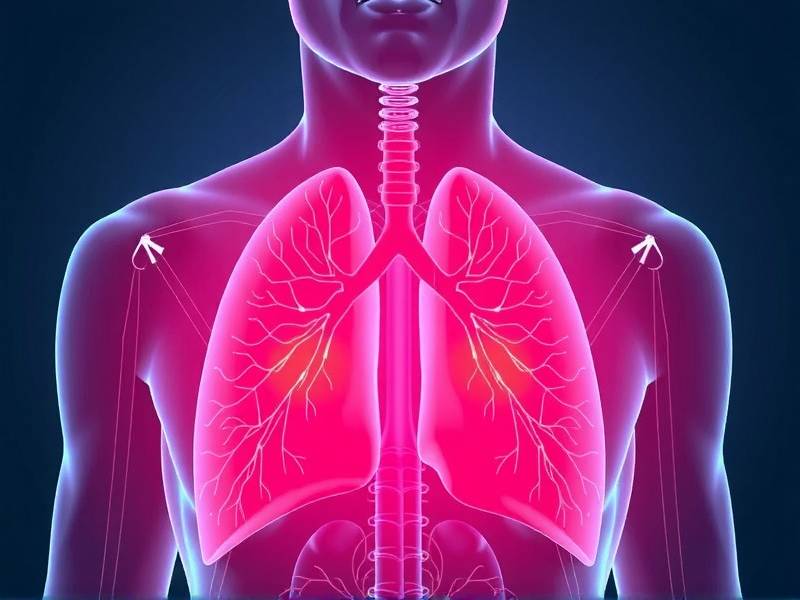
Within the first few months of quitting, you'll notice an improvement in your lung capacity. According to the American Lung Association, a year after quitting, your risk of heart disease is reduced by half compared to that of a continuing smoker.
2. Decreased Carbon Monoxide Levels
Carbon monoxide (CO) is a toxic gas produced by burning tobacco. It binds to hemoglobin in red blood cells more readily than oxygen does, leading to less oxygen reaching vital organs. Within two weeks of quitting, CO levels in your blood drop significantly.
Long-Term Recovery: Beyond One Year
3. Enhanced Cilia Function
Cilia are tiny hair-like structures that line the lungs and help remove mucus and trapped particles from the airways. Smoking damages these cilia, leading to impaired lung function. Over time, as you continue to avoid smoking, these cilia can repair themselves.
4. Reduced Risk of Chronic Obstructive Pulmonary Disease (COPD)
COPD is a progressive lung disease characterized by chronic bronchitis or emphysema. Quitting smoking can significantly reduce your risk of developing COPD in the future.
The Role of Exercise
Engaging in regular physical activity complements the benefits of quitting smoking by further improving lung function and overall health.
Conclusion
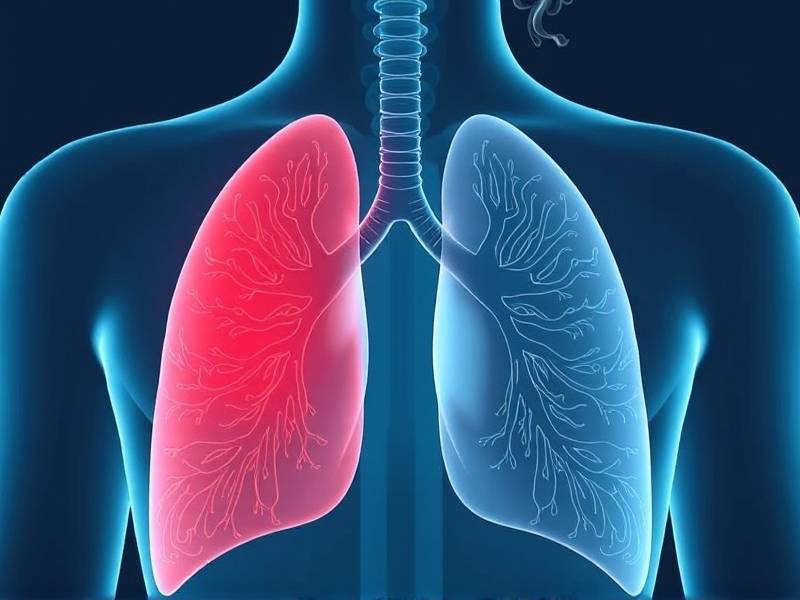
The evidence is clear: lung function improves after quitting smoking. While it's a gradual process that requires patience and dedication, the benefits are substantial and well worth the effort for anyone looking to improve their health and longevity.
Remember, it's never too late to quit smoking. Your lungs—and your body—will thank you for it.