Do Cilia Grow Back After Quitting Smoking?
Do Cilia Grow Back After Quitting Smoking? A Comprehensive Guide
Understanding Cilia and Their Role in the Respiratory System
Cilia are tiny, hair-like structures that line the respiratory tract. They play a crucial role in protecting the lungs by trapping dust, bacteria, and other particles before they can reach the delicate lung tissue. Smoking damages these cilia, impairing their ability to effectively clear out debris and potentially leading to respiratory issues.
The Impact of Smoking on Cilia Health
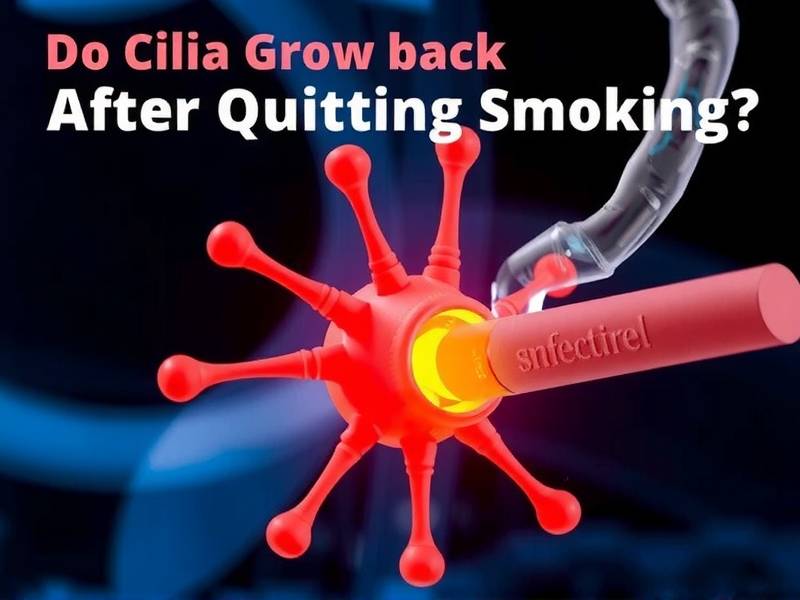
The chemicals in cigarettes can cause inflammation and damage to the cilia, leading to a reduction in their number and function. This damage is not only immediate but can also be long-lasting, even after quitting smoking. The extent of damage depends on various factors, including the duration and intensity of smoking.
Can Cilia Regenerate After Quitting Smoking?
The good news is that cilia can indeed grow back after quitting smoking. The process of regeneration typically begins within a few weeks of quitting. However, it may take several months or even years for cilia to fully recover their original function.
Stages of Ciliary Regeneration Post-Quitting Smoking
- Immediate Response: Within days of quitting, there is often an improvement in coughing and phlegm production as the body starts to heal.
- Weeks 1-3: Ciliary function begins to improve as new cilia start to grow.
- Months 3-6: There is a noticeable reduction in respiratory symptoms as the ciliary function continues to improve.
- Years 1-5: Full recovery of ciliary function may occur during this period.
Tips for Accelerating Ciliary Regeneration
- Stay Smoke-Free: Continuing to avoid tobacco products is crucial for allowing your body to heal.
- Maintain Good Hygiene: Regular hand washing can help prevent respiratory infections that could impede regeneration.
- Exercise Regularly: Physical activity improves blood flow and oxygenation throughout the body, which can aid in healing.
- Stay Hydrated: Drinking plenty of water helps keep mucus thin and easier for cilia to move.
- Consider Supplements: Nutrients like vitamin D, vitamin E, and antioxidants have been shown to support lung health.
Expert Insights from the American Lung Association
According to the American Lung Association, "Quitting smoking is one of the best things you can do for your lungs." They emphasize that while it may take time for your cilia to fully recover, making a commitment to quit smoking can lead to significant improvements in lung health over time.
Conclusion: The Journey Towards Healthier Lungs
While it's true that quitting smoking is a challenging journey, understanding that your body has the capacity to regenerate its vital defenses like cilia provides hope and motivation. By adopting healthy lifestyle choices and giving your body time to heal, you're taking important steps towards healthier lungs and overall well-being.
Remember, every puff counts — not just while you're smoking but also when you're working towards a smoke-free life. Your lungs will thank you with improved health over time as they regenerate their natural defenses against harm.
For more information on lung health and quitting smoking, consider visiting reputable health websites such as Mayo Clinic or WebMD for additional resources and support on this vital journey towards better health.