What to Eat When You Quit Smoking: A Guide to Healthy Eating Habits for New Smokers
What to Eat When You Quit Smoking: A Guide to Healthy Eating Habits for New Ex-Smokers
Introduction: Quitting smoking is a significant step towards a healthier life. However, it can be challenging to adjust to the changes in your lifestyle. One aspect that often gets overlooked is the impact of food on your body. This guide will help you navigate what to eat when you quit smoking, focusing on healthy eating habits that can support your journey towards becoming a non-smoker.
-
Understanding the Impact of Smoking on Your Body Before diving into what to eat, it's essential to understand how smoking affects your body. Smoking can lead to various health issues, including heart disease, lung cancer, and weakened immune system. Quitting smoking helps reverse some of these effects, but it's crucial to support your body with proper nutrition.
-
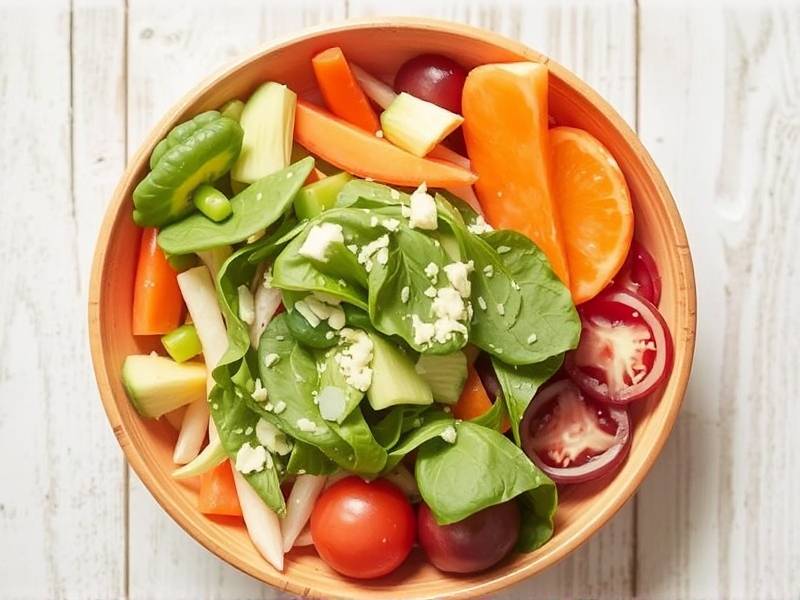
Choosing Nutrient-Rich Foods When you quit smoking, your body requires additional nutrients to repair and rejuvenate itself. Here are some foods that can help:
- Fruits and Vegetables: These are packed with vitamins, minerals, and antioxidants that boost your immune system and reduce inflammation.
- Whole Grains: Foods like oatmeal, brown rice, and whole-grain bread provide fiber and essential nutrients.
- Lean Proteins: Sources such as chicken breast, fish, tofu, and legumes help build muscle and repair tissues.
- Healthy Fats: Avocado, nuts, seeds, and olive oil provide omega-3 fatty acids that support heart health.
-
Hydration is Key Staying hydrated is crucial when quitting smoking. Water helps flush out toxins from your body and keeps you feeling full. Aim for at least 8 glasses of water per day.
-
Avoid Highly Processed Foods Highly processed foods are high in unhealthy fats, sugars, and salt. These foods can increase cravings for nicotine and hinder your progress in quitting smoking.
-
Mindful Eating Habits Developing mindful eating habits can help you focus on nourishing your body instead of using food as a crutch for stress or boredom:
- Eat slowly and savor each bite.
- Pay attention to hunger cues and stop eating when you're full.
- Choose healthy snacks like fruit or vegetables instead of processed snacks.
- Incorporate Herbs and Spices Certain herbs and spices have been found to aid in quitting smoking by reducing cravings:
- Turmeric contains curcumin which has anti-inflammatory properties.
- Ginger may help reduce nausea associated with withdrawal symptoms.
- Cinnamon may improve blood sugar levels which are often affected by quitting smoking.
Conclusion: Quitting smoking is an important decision that requires commitment from both the mind and body. By focusing on nutrient-rich foods and developing healthy eating habits, you can support your journey towards becoming a non-smoker. Remember that this process takes time; be patient with yourself as you transition into a smoke-free life.
Remember to consult with healthcare professionals for personalized advice when making significant changes to your diet or lifestyle during the quitting process. Stay strong; one day at a time!