
Do Lungs Really Recover After You Quit Smoking?
The Question at Hand
When it comes to the effects of smoking on the human body, one of the most common questions is whether the lungs can truly recover after someone has quit smoking. This article delves into this topic, offering insights into the potential recovery of lungs post-quitting smoking and highlighting the importance of a smoke-free lifestyle.
Understanding Lung Damage
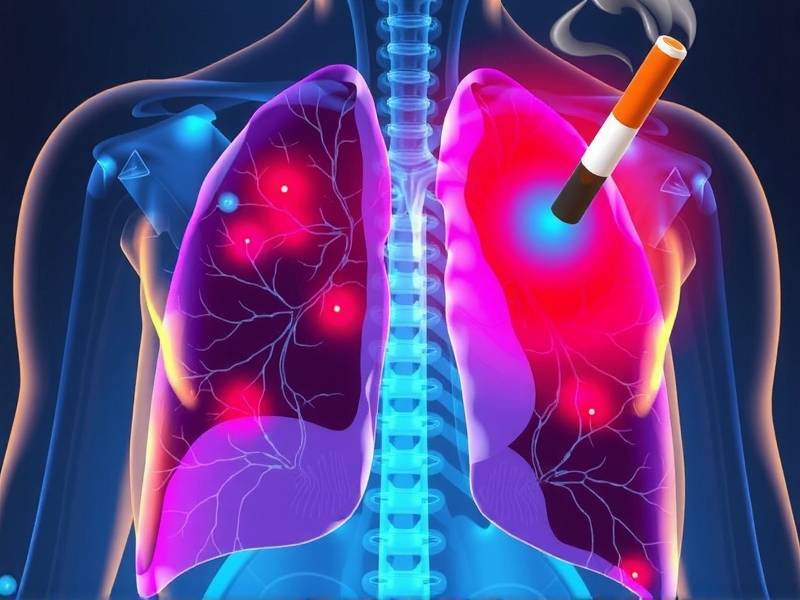
Smoking is a leading cause of lung damage, leading to various respiratory diseases such as chronic obstructive pulmonary disease (COPD), bronchitis, and emphysema. The chemicals present in tobacco smoke can cause inflammation and scarring in the lungs, reducing their ability to function properly.
The Recovery Process
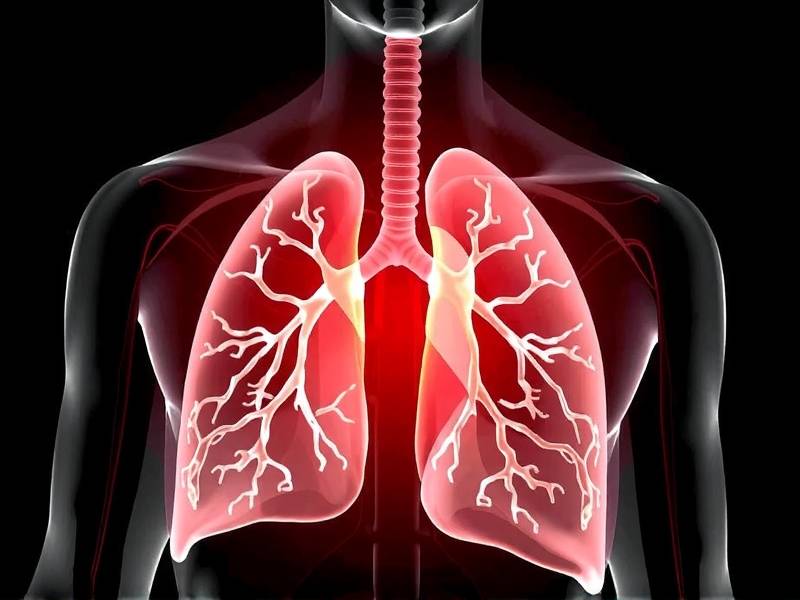
Research has shown that after quitting smoking, there is a gradual process of lung recovery. While complete reversal of damage may not be possible, significant improvements can be observed over time.
Early Recovery
In the first few weeks after quitting, your lungs begin to clear out mucus and other debris that have accumulated due to smoking. This process can lead to an increase in coughing as your body tries to expel these substances.
Medium-Term Recovery
Within a few months after quitting, your lung function starts to improve. The risk of respiratory infections decreases, and you may notice that you have more energy and breathe more easily.
Long-Term Recovery
After several years of not smoking, your lungs continue to recover. The risk of developing COPD or other lung diseases decreases significantly compared to those who continue smoking. Your lung capacity improves further, and you may experience fewer respiratory symptoms.
Factors Influencing Lung Recovery
Several factors can influence how well your lungs recover after quitting smoking:
- Duration of Smoking: The longer you smoked and the more heavily you smoked, the more damage may have occurred.
- Age at Quitting: Starting to smoke at a younger age or quitting later in life may affect how quickly your lungs recover.
- Overall Health: People with pre-existing health conditions may experience slower recovery compared to those with no underlying health issues.
Importance of a Smoke-Free Lifestyle
While quitting smoking alone can lead to improved lung function over time, adopting a smoke-free lifestyle is crucial for maintaining good lung health. This includes avoiding secondhand smoke and reducing exposure to other pollutants.
Conclusion
The answer is yes; lungs can indeed recover after you quit smoking. While it may take time for full recovery, making the decision to quit is a significant step towards better health and well-being. Embrace a smoke-free lifestyle and enjoy the benefits that come with it!