
Why Does Lung Cancer Still Develop Even After You Quit Smoking? The Truth You Need to Know
Why Does Lung Cancer Still Develop Even After You Quit Smoking? The Truth You Need to Know
Introduction: Quitting smoking is a significant step towards improving one's health. However, many individuals are unaware that lung cancer can still develop even after they have quit smoking. This article aims to shed light on the reasons behind this phenomenon, providing you with the truth you need to know.
-
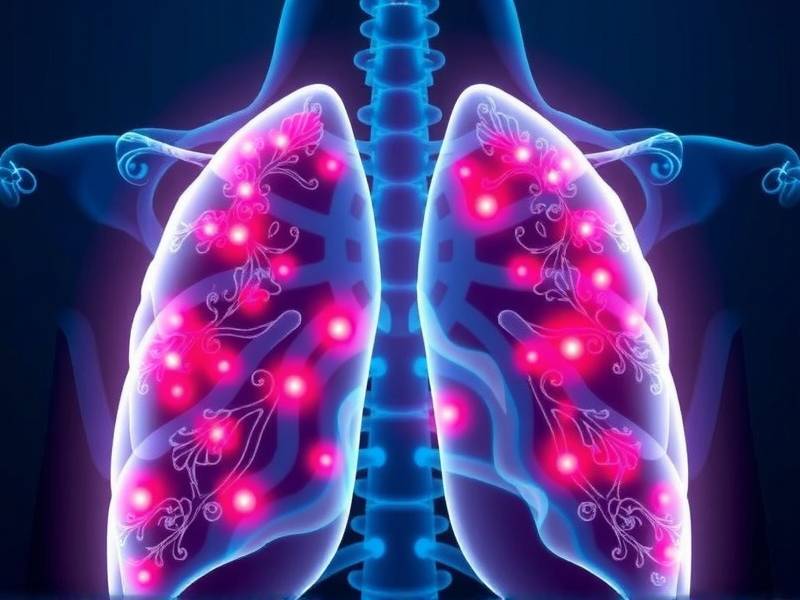
The Impact of Smoking on the Body Smoking is a well-known risk factor for lung cancer. When you smoke, harmful chemicals enter your body, causing inflammation and damage to your lungs. Although quitting smoking reduces the risk of developing lung cancer, it does not eliminate it entirely.
-
The Long-Term Effects of Smoking The damage caused by smoking is not reversible overnight. Even after you quit smoking, your body continues to undergo changes that can increase your risk of lung cancer. Here are some reasons why:
a. Cigarette smoke contains over 7,000 chemicals, including at least 70 known carcinogens (cancer-causing substances). b. The body takes time to repair and regenerate damaged cells. c. Secondhand smoke exposure can still pose a risk if you are around smokers.
-
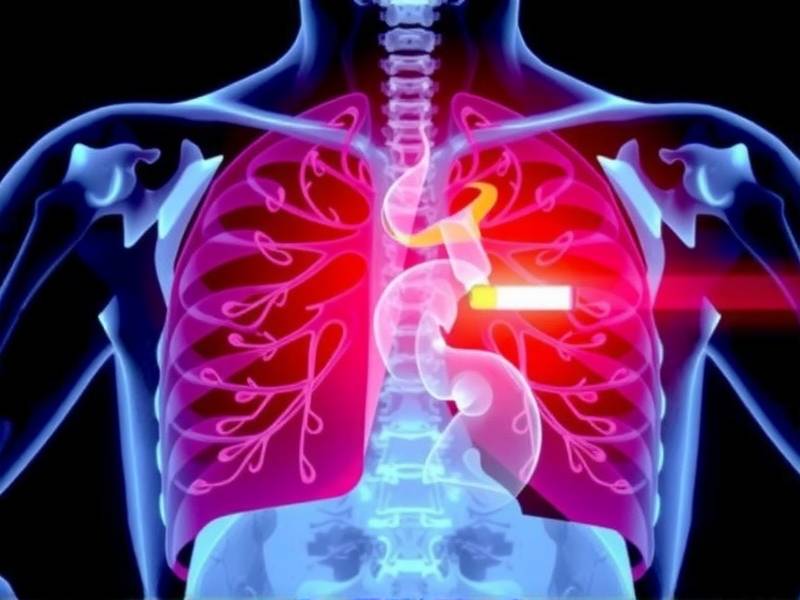
Genetic Factors Some individuals may have a genetic predisposition to lung cancer, making them more susceptible even after quitting smoking. Researchers have identified specific genes that can influence an individual's risk of developing the disease.
-
Other Risk Factors Quitting smoking reduces your chances of developing lung cancer; however, it does not eliminate other risk factors such as:
a. Exposure to radon gas: A radioactive gas found in soil and rocks. b. Air pollution: High levels of pollutants in the air can increase your risk. c. Occupational exposure: Some jobs involve exposure to substances like asbestos or certain chemicals.
- Time and Patience It is important to understand that quitting smoking is a gradual process, and it takes time for your body to heal from the damage caused by smoking. While it is impossible to predict exactly when lung cancer might develop in an individual who has quit smoking, reducing your overall risk by quitting as soon as possible is crucial.
Conclusion: Although quitting smoking significantly reduces your chances of developing lung cancer, it does not guarantee complete protection against the disease. Understanding the long-term effects of smoking and other risk factors can help you take proactive measures to protect your health further. Remember that seeking regular medical check-ups and maintaining a healthy lifestyle are essential components in reducing your risk of lung cancer even after quitting smoking.
Remember: It's never too late to quit! Your decision today can significantly impact your health in the future.