
The Emotional Journey of Quitting Smoking: How Your Feelings Change Over Time
The Emotional Journey of Quitting Smoking: How Your Feelings Change Over Time
Introduction: Quitting smoking is a significant decision that can lead to a healthier life. However, the journey is not always smooth sailing. Many smokers experience a rollercoaster of emotions as they navigate through the process of quitting. This article explores the emotional journey of quitting smoking and how feelings change over time.
1. The Initial Struggle
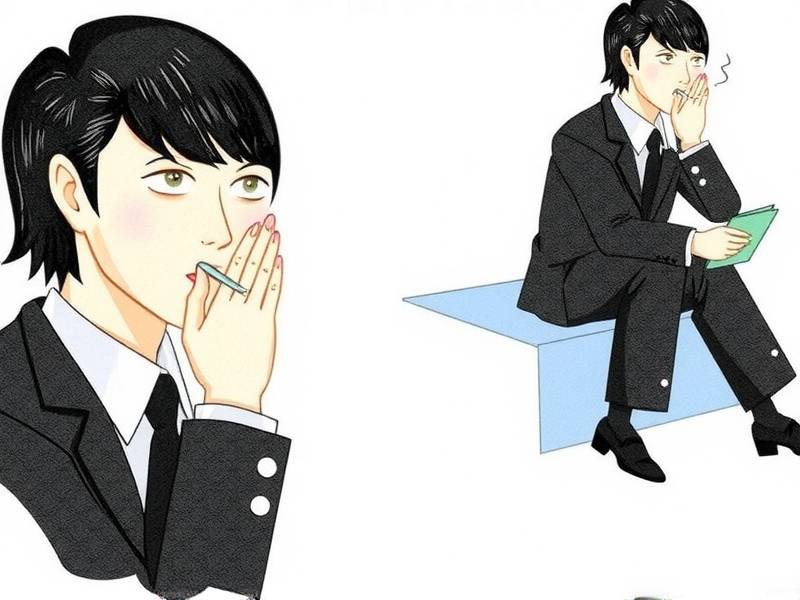
When you decide to quit smoking, you may feel a mix of excitement and anxiety. The idea of being smoke-free is exhilarating, but the thought of overcoming cravings and withdrawal symptoms can be daunting. It's common to experience mood swings, irritability, and even depression during this phase.
2. The First Week: A rollercoaster ride
The first week after quitting can be challenging. You may feel restless, anxious, and irritable as your body adjusts to the absence of nicotine. Cravings can be intense, and you might find yourself reaching for a cigarette out of habit or stress. Remember that this phase is temporary, and your body will start healing almost immediately.
3. The Second Week: Building resilience
As you move into the second week, your body begins to adjust to the lack of nicotine. Cravings may become less frequent and intense. You might start feeling more energetic and motivated to maintain your smoke-free status. This is a crucial time to build resilience by surrounding yourself with supportive friends and family.
4. The First Month: Embracing new habits
After one month without smoking, you'll likely notice significant changes in your physical health, such as improved lung function and better breath odor. Embrace these changes as rewards for your hard work. During this time, focus on creating new habits that replace smoking, such as exercising or engaging in hobbies.
5. The First Three Months: Emotional stability
The first three months after quitting are often marked by emotional stability as your body continues to heal and adapt to its new smoke-free state. You may start feeling more confident in your decision and proud of your achievements.
6. The Long-term Journey: Emotional growth
As time goes on, you'll continue to grow emotionally as a non-smoker. You'll become more aware of the positive impact smoking cessation has on your health, relationships, and overall well-being. This newfound clarity can lead to personal growth and improved self-esteem.
Conclusion:
Quitting smoking is an emotional journey that requires patience, determination, and support from loved ones. By understanding how feelings change over time, you can better navigate the challenges ahead and ultimately achieve long-term success in becoming smoke-free.
Remember that every individual's experience is unique; what works for one person may not work for another. Stay committed to your goal, seek help when needed (such as counseling or support groups), and celebrate each milestone along the way.
In conclusion, embracing the emotional journey of quitting smoking allows us not only to break free from addiction but also to cultivate emotional resilience and personal growth in our lives.