Will My Lungs Really Clear Up After Quitting Smoking?
The Promise of a Clearer Breath: Can Quitting Smoking Really Clean Up Your Lungs?
Introduction: The decision to quit smoking is a monumental step towards better health. Many smokers are motivated by the promise of improved lung function and a clearer breath. But does quitting smoking truly lead to cleaner lungs? Let's delve into the science behind this question.
Understanding Lung Damage Smoking is a leading cause of lung disease, including chronic obstructive pulmonary disease (COPD), emphysema, and lung cancer. The chemicals in tobacco smoke can inflame and damage the delicate tissues of the lungs, leading to long-term harm.
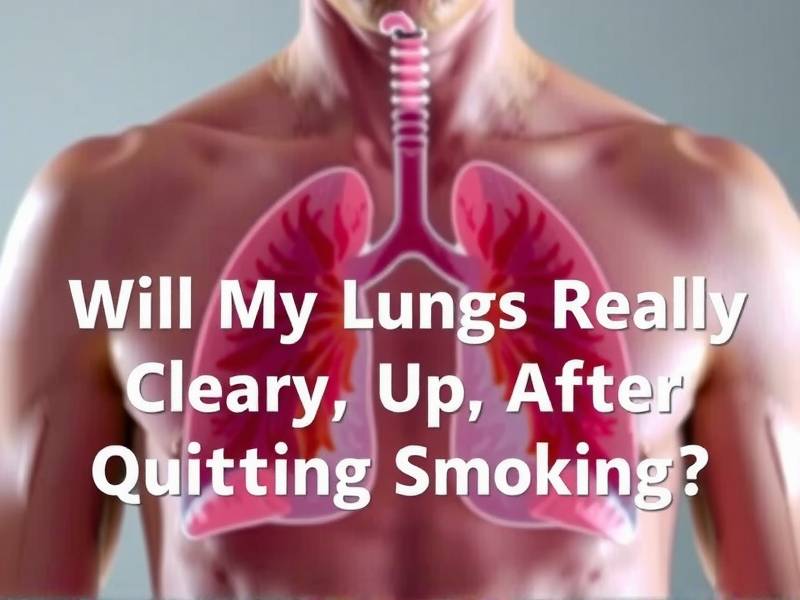
The Journey to Lung Repair When you quit smoking, your body begins an impressive journey of repair and recovery. Here's what happens:
- Within Hours: Carbon monoxide levels in your blood drop as your body uses up its stored oxygen.
- Within Days: Your sense of smell and taste begin to improve as the cilia in your lungs start to regrow.
- Within Weeks: Your risk of heart attack decreases, and your lung function may start to improve.
- Within Months: Your chances of suffering from respiratory infections decrease as your immune system strengthens.
The Long-Term Impact Quitting smoking can lead to significant improvements in lung health over time:
- Reduced Risk of COPD: After 1-2 years, the risk of developing COPD is reduced by half compared to continuing smokers.
- Lower Risk of Cancer: After 10 years without smoking, the risk of dying from lung cancer is about half that of continuing smokers.
- Improved Oxygen Levels: After 10-15 years, the risk of heart disease is similar to that of people who have never smoked.
Can Lungs Be 'Cleared Up'? While it's not entirely accurate to say that your lungs will be "cleared up," they will certainly experience significant healing and restoration after quitting smoking. The inflammation and mucus buildup that are common symptoms for smokers may decrease over time.
What You Can Do To maximize lung repair, consider these steps:
- Stay hydrated.
- Exercise regularly.
- Avoid secondhand smoke and air pollution.
- Consider pulmonary rehabilitation programs for additional support.
Conclusion: Quitting smoking is a powerful act that sets your body on a path toward healing. While it's not possible for damaged lungs to return completely to their pre-smoking state, they can certainly improve significantly over time. Embrace this journey with hope and determination, knowing that every puff you don't take brings you closer to healthier lungs and a clearer breath.