
How Long Do Lungs Take to Clear Up After Quitting Smoking?
The Journey to Healthy Lungs: How Long Does it Take After Quitting Smoking?
Introduction: Quitting smoking is a significant step towards improving one's health. Many individuals are eager to know how long it takes for their lungs to clear up after quitting. This article delves into the process, highlighting the timeline and factors that can influence lung recovery.
Section 1: Understanding Lung Recovery 1.1 What Happens When You Quit Smoking? When you quit smoking, your body starts to repair itself immediately. The first few days are challenging as your body adjusts to the absence of nicotine. However, the benefits begin to accumulate over time.
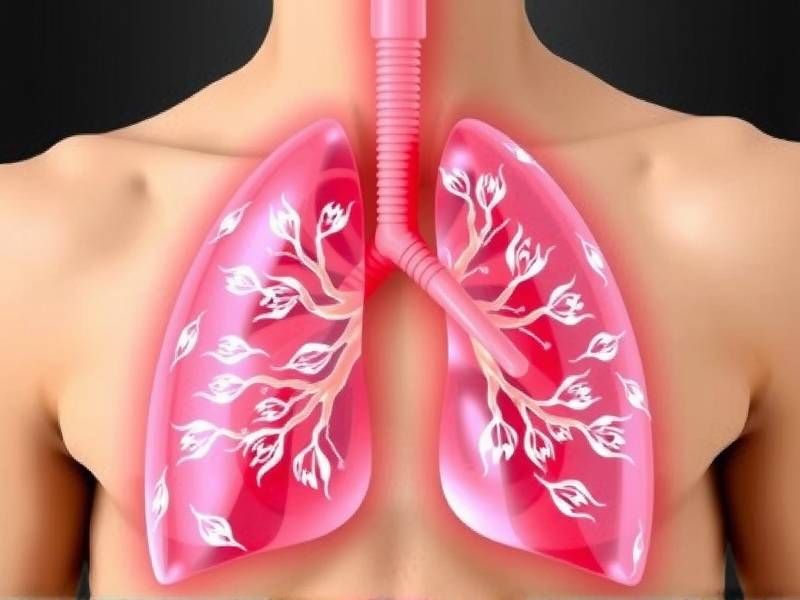
1.2 Timeline of Lung Recovery The timeline for lung recovery varies from person to person, but here's a general overview:
- Within 48 hours of quitting, your body starts to eliminate nicotine and other harmful chemicals from your system.
- Within a few weeks, your lung function begins to improve, and you may notice increased energy levels.
- After about three months, your lung capacity starts to increase significantly.
- Within a year or two, the risk of heart disease decreases by half compared to a smoker.
- After 10 years of quitting, the risk of lung cancer decreases by about half compared to continuing smokers.
Section 2: Factors Influencing Lung Recovery 2.1 Age and Overall Health Younger individuals tend to recover faster than older adults due to their bodies' natural ability to repair tissues more efficiently. Additionally, individuals with better overall health may experience quicker improvements in lung function.
2.2 Duration and Intensity of Smoking The longer you smoked and the more cigarettes you smoked per day can affect how long it takes for your lungs to recover. Individuals who smoked heavily for many years may need more time for their lungs to heal.
2.3 Environmental Factors Exposure to secondhand smoke or air pollution can hinder lung recovery after quitting smoking.
Section 3: Tips for Enhancing Lung Recovery 3.1 Stay Active Regular physical activity helps improve lung capacity and overall health. Engaging in activities such as walking, jogging, or swimming can be beneficial.
3.2 Maintain a Healthy Diet A balanced diet rich in fruits, vegetables, whole grains, lean proteins, and healthy fats can support lung recovery.
3.3 Avoid Exposure to Harmful Substances Limiting exposure to secondhand smoke and air pollution can aid in the healing process.
Conclusion: Quitting smoking is a crucial decision that brings numerous health benefits over time. While the timeline for lung recovery varies from person to person, it's essential to remain patient and committed throughout the journey towards healthier lungs. By adopting healthy lifestyle choices and minimizing exposure to harmful substances, you can accelerate the healing process and enjoy improved respiratory health in no time!