
The Power of Persuasion: Why You Should Quit Smoking
The Power of Persuasion: Why You Should Quit Smoking
Introduction: Smoking has been a pervasive habit for decades, affecting millions of lives across the globe. The dangers of smoking are well-documented, and the health risks associated with it are undeniable. Yet, despite this knowledge, many continue to smoke. This article delves into the power of persuasion and why quitting smoking is a crucial decision for your health and well-being.
I. The Psychological Aspect of Smoking:
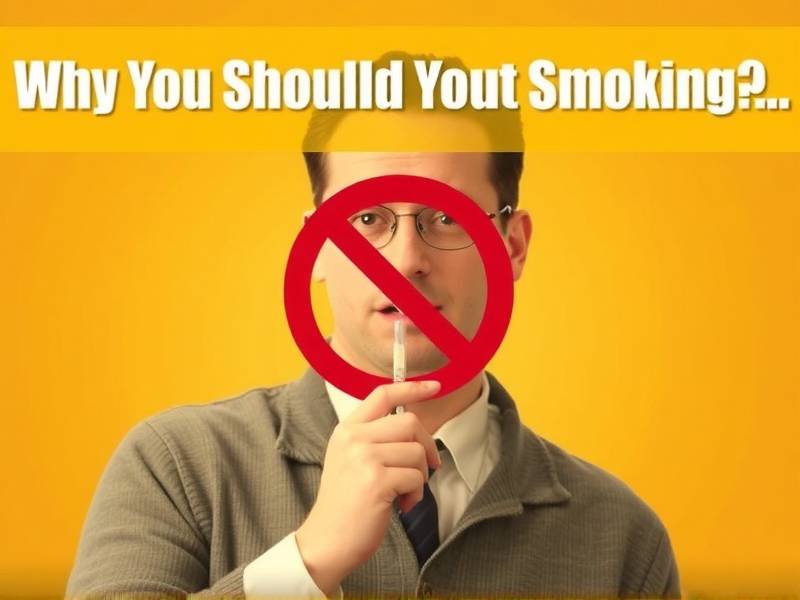
- Habitual Behavior: Smoking often becomes a routine behavior, ingrained in our daily lives. Breaking this habit requires determination and a strong mindset.
- Nicotine Dependency: Nicotine, a highly addictive substance found in cigarettes, plays a significant role in maintaining the smoking habit. Understanding its effects can help individuals overcome their addiction.
II. The Health Risks of Smoking:

- Cardiovascular Diseases: Smoking is a leading cause of heart disease and stroke, as it damages the lining of arteries and increases blood pressure.
- Respiratory Issues: Smokers are more susceptible to respiratory problems such as chronic obstructive pulmonary disease (COPD) and lung cancer.
- Other Health Complications: Smoking also increases the risk of various cancers, diabetes, osteoporosis, and infertility.
III. The Power of Persuasion:
- Social Influence: Surrounding oneself with non-smokers can provide motivation to quit smoking, as social pressure can be a powerful driving force.
- Personal Goals: Setting personal goals such as improving one's health or saving money on cigarettes can serve as persuasive reasons to quit.
- Role Models: Seeing others successfully quit smoking can inspire individuals to take action themselves.
IV. Strategies for Quitting Smoking:
- Nicotine Replacement Therapy (NRT): NRT products like patches, gum, lozenges, or inhalers can help alleviate withdrawal symptoms.
- Behavioral Techniques: Identifying triggers that lead to smoking and developing alternative coping mechanisms is crucial for long-term success.
- Professional Support: Seeking assistance from healthcare professionals or support groups can provide guidance and moral support throughout the quitting process.
Conclusion: The power of persuasion lies in recognizing the dangers of smoking and understanding its impact on one's health and well-being. By adopting strategies for quitting smoking and seeking support when needed, individuals can break free from this harmful habit and embark on a healthier life journey. Remember that every step towards quitting is progress; take charge of your health today!