
Can You Develop Allergies After Quitting Smoking?
Unveiling the Mystery: Can You Develop Allergies After Quitting Smoking?
Introduction: Quitting smoking is a significant step towards improving one's health, but it's not uncommon to wonder about the potential side effects that might follow. One such concern is whether quitting smoking can lead to the development of allergies. In this article, we delve into this topic, exploring the latest research and shedding light on this intriguing possibility.
Understanding Allergies and Quitting Smoking
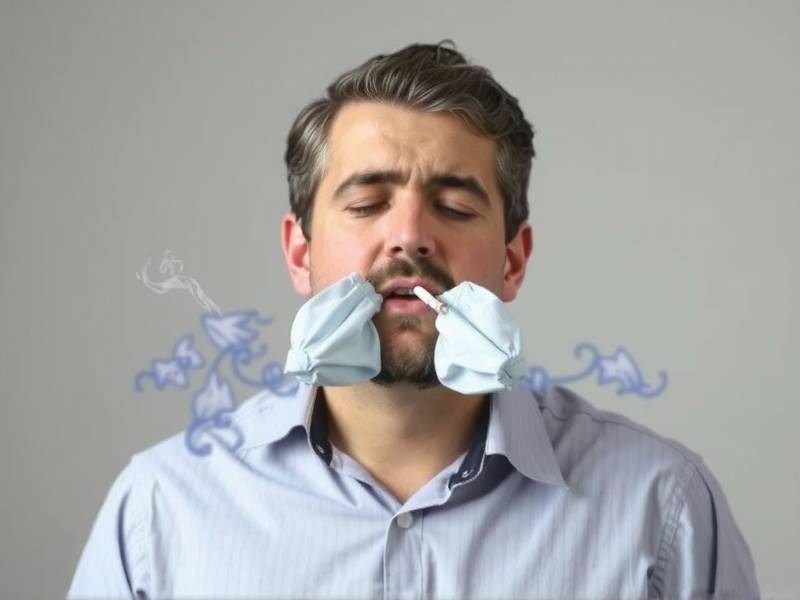
What Are Allergies? Before we address the question at hand, let's clarify what allergies are. Allergies are immune responses to substances that are typically harmless in most people. These substances, known as allergens, can trigger symptoms ranging from mild to severe.
The Link Between Smoking and Allergies Smoking is well-known for its detrimental effects on respiratory health. It can exacerbate allergies by irritating the airways and increasing sensitivity to allergens.
Can Quitting Smoking Lead to New Allergies?
The Emerging Evidence Recent studies have suggested that quitting smoking might indeed lead some individuals to develop new allergies. Here's why:
-
Immune System Changes: When you quit smoking, your immune system begins to repair itself. This repair process can sometimes result in an overreaction to previously harmless substances, leading to new allergies.

-
Environmental Exposure: Quitting smoking often means spending more time outdoors or in cleaner environments, which can expose you to allergens that were previously masked by smoke.
-
Increased Sensitivity: The body may become more sensitive to allergens after quitting smoking due to changes in inflammation levels and immune function.
Common Allergens After Quitting Smoking
While any allergen could potentially trigger a reaction after quitting smoking, some common culprits include:
- Pollen
- Dust mites
- Pet dander
- Mold
What You Can Do
If you suspect you've developed new allergies after quitting smoking:
-
Seek Professional Advice: Consult with a healthcare professional who can help diagnose your symptoms and recommend appropriate treatment.
-
Identify Triggers: Keep a journal of potential allergens you encounter and discuss them with your healthcare provider.
-
Manage Your Environment: Take steps to reduce exposure to known allergens in your home and workplace.
Conclusion:
Quitting smoking is a commendable decision with numerous health benefits. While it's possible to develop new allergies post-quitting, understanding the potential risks and taking proactive steps can help mitigate these concerns. Remember, seeking professional advice is crucial in managing any new health issues that may arise during this transition period.