
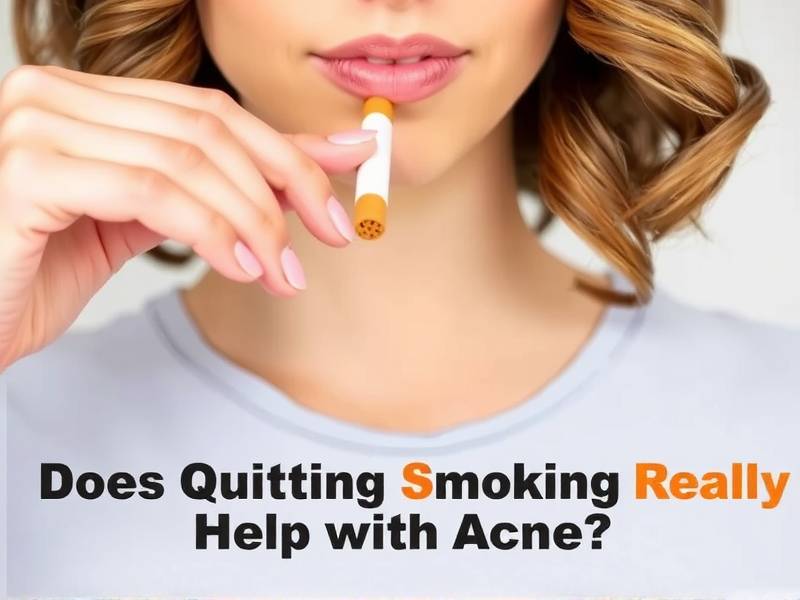
Does Quitting Smoking Really Help with Acne?
Does Quitting Smoking Really Help with Acne?
Introduction: Acne is a common skin condition that affects millions of people worldwide. While various treatments and remedies are available, some individuals wonder if quitting smoking can be a key to clearer skin. In this article, we will explore the relationship between smoking and acne, and whether kicking the habit can improve your skin's appearance.
The Link Between Smoking and Acne
-
Hormonal Disruption: One of the primary reasons smoking may exacerbate acne is its impact on hormones. Tobacco smoke contains harmful chemicals that can disrupt the hormonal balance in the body. This disruption can lead to an increase in sebum production, which is often a contributing factor to acne breakouts.
-
Inflammation: Smoking has been linked to increased inflammation throughout the body. Chronic inflammation can worsen acne by causing redness, swelling, and an increased risk of infection in the affected areas.
-
Impaired Skin Healing: Smoking also impairs the body's ability to heal itself, including the skin. This means that even if you do manage to clear your acne while smoking, it may take longer for your skin to recover from breakouts.
Does Quitting Smoking Help with Acne?
-
Improved Skin Appearance: Many individuals who quit smoking report an improvement in their skin's appearance over time. As hormones return to normal levels and inflammation decreases, your skin may become less prone to breakouts.
-
Faster Healing Process: Quitting smoking allows your body to heal more effectively, leading to a faster resolution of acne breakouts and reduced scarring.
-
Long-Term Benefits: The benefits of quitting smoking extend beyond just improving your skin's appearance. By reducing inflammation and improving overall health, you may experience other long-term benefits such as improved heart health and decreased risk of certain cancers.
Tips for Quitting Smoking
- Set a Clear Goal: Decide on a specific date when you want to quit smoking and make it official.
- Seek Support: Join a support group or seek help from friends, family, or professionals.
- Identify Triggers: Recognize situations that may trigger cravings and plan how you'll cope with them.
- Stay Active: Engage in physical activities that help reduce stress and distract you from cravings.
- Reward Yourself: Set milestones for yourself as you progress towards becoming smoke-free and reward yourself for reaching them.
Conclusion:
While there is no guarantee that quitting smoking will completely eliminate acne for everyone, many individuals find that it improves their skin's appearance over time. By reducing hormonal disruption, inflammation, and impairing healing processes associated with smoking, kicking the habit can lead to clearer skin and improved overall health.
Remember that everyone's experience is unique when it comes to quitting smoking or any other lifestyle change. If you're struggling with quitting or dealing with persistent acne despite quitting smoking, consider seeking guidance from healthcare professionals who can provide personalized advice tailored to your specific needs.
By making informed decisions about your health habits, you're taking an important step towards bettering both your physical well-being and self-confidence!