
Can You Still Get Lung Cancer After You Quit Smoking?
The Long-Term Health Impact of Quitting Smoking: Can Lung Cancer Still Develop?
Introduction: The decision to quit smoking is a monumental step towards improving one's health. Many smokers are eager to know the extent of the benefits they can expect after kicking the habit. One common concern is whether lung cancer can still develop even after quitting smoking. This article delves into this topic, providing insights from medical research and expert opinions.
Understanding the Risks: The Immediate Impact of Smoking When you smoke, harmful chemicals enter your lungs, causing immediate damage. Over time, this damage can lead to chronic respiratory conditions and an increased risk of lung cancer. It's important to note that the longer you smoke and the more cigarettes you consume daily, the higher your risk becomes.
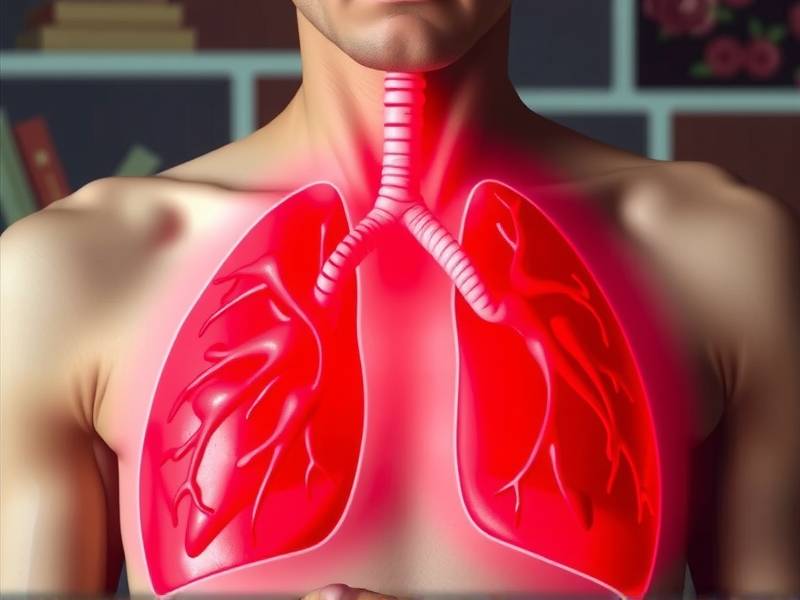
The Transition from Smoker to Ex-Smoker Quitting smoking is a significant turning point in reducing your risk of lung cancer and other health issues. Studies have shown that within just a few months of quitting, your body begins to repair itself:
- Circulation Improves: Within 12 hours of quitting, your heart rate and blood pressure begin to drop.
- Cilia Function Restores: The tiny hair-like structures in your lungs start to work again, clearing out mucus and reducing the risk of infections.
- Carbon Monoxide Levels Decrease: After 2 weeks to 3 months, your carbon monoxide levels drop significantly, improving oxygen flow.
The Question at Hand: Can You Still Get Lung Cancer After Quitting? The short answer is yes, it is possible to develop lung cancer even after quitting smoking. However, the good news is that quitting reduces your risk dramatically compared to continuing to smoke.
Time and Risk Reduction Here's what research tells us about the relationship between quitting smoking and lung cancer:
- Within 5 Years: Your risk of developing lung cancer decreases by about half compared to a continuing smoker.
- Within 10 Years: Your risk continues to decrease further until it reaches about half that of a non-smoker.
- After 15 Years or More: Your risk approaches that of a non-smoker.
Why Quitting Is Still Beneficial Even if you have smoked for many years before quitting, it's never too late. Here are some reasons why quitting remains beneficial:
- Reduced Risk of Other Cancers: Quitting also decreases your risk of cancers in other parts of your body.
- Improved Quality of Life: You'll experience fewer respiratory problems and enjoy better overall health.
- Longevity: Quitters tend to live longer than those who continue smoking.
Conclusion: While it's true that you can still get lung cancer after quitting smoking, doing so significantly reduces your risk compared to continuing the habit. The sooner you quit, the sooner your body begins its healing process. If you're considering quitting or have already taken that step, know that every day without a cigarette brings you one step closer to better health.