
Can You Still Get Lung Cancer After Quitting Smoking?
Understanding Lung Cancer Risks Post-Quitting Smoking
Introduction: The decision to quit smoking is a monumental step towards improving one's health. However, many smokers are often left wondering about the long-term risks associated with their past habit. One of the most pressing concerns is whether it's possible to still develop lung cancer even after quitting smoking. This article aims to shed light on this topic, providing you with the necessary information to make informed decisions about your health.
Section 1: The Link Between Smoking and Lung Cancer
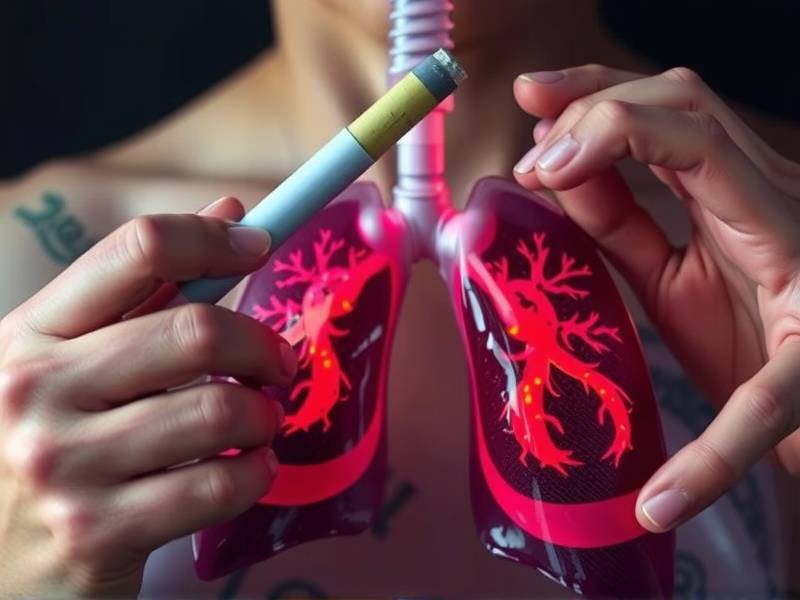
Smoking is a well-known risk factor for lung cancer. The chemicals present in tobacco smoke can cause mutations in the DNA of lung cells, leading to uncontrolled growth and the development of cancerous tumors. According to the American Lung Association, smoking is responsible for approximately 85% of all lung cancer deaths in the United States.
Section 2: Quitting Smoking and Its Impact on Lung Cancer Risk
It's important to note that quitting smoking significantly reduces your risk of developing lung cancer. While it may take years for your risk to decrease, studies have shown that just one year after quitting, your risk drops by half compared to continued smokers. After 10 years without smoking, your risk is reduced by about 40-50%, and after 15 years or more, it's similar to someone who has never smoked.
Section 3: Can You Still Get Lung Cancer After Quitting?
Despite the significant reduction in risk, it's essential to understand that quitting smoking does not guarantee complete elimination of lung cancer risk. Some factors like genetics, environmental exposure, and age can still play a role in developing lung cancer even after quitting.
Research suggests that former smokers who quit between ages 35-44 can expect to gain up to nine years of life expectancy compared to those who continue smoking. However, this does not mean that former smokers are completely free from the risk of developing lung cancer later in life.
Section 4: Protecting Your Health Post-Quitting
To further reduce your risk of developing lung cancer post-quitting smoking:
- Maintain a healthy lifestyle by eating a balanced diet rich in fruits and vegetables.
- Engage in regular physical activity.
- Avoid secondhand smoke and other environmental carcinogens.
- Regularly monitor your health through check-ups with healthcare professionals.
Conclusion:
While quitting smoking significantly reduces your risk of developing lung cancer, it's important to remember that some risks may still persist due to other factors beyond our control. By taking proactive steps towards maintaining a healthy lifestyle post-quitting smoking, you can further protect yourself against potential health complications down the line. Remember that it's never too late to quit smoking and take control of your health!