
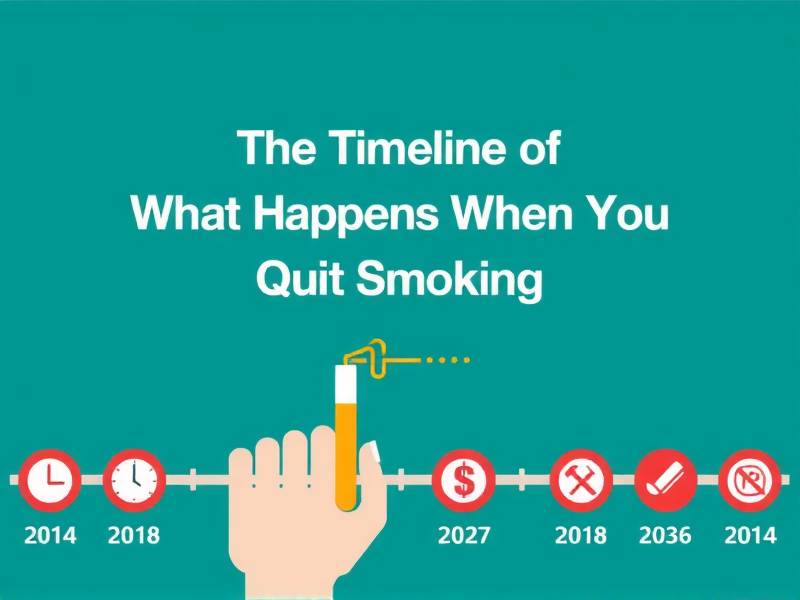
The Timeline of What Happens When You Quit Smoking
The Journey to a Healthier Life: A Timeline of Quitting Smoking
Introduction: Quitting smoking is a significant decision that can lead to numerous health benefits. However, it's essential to understand the changes that occur in your body after you quit smoking. This article provides a timeline of what happens when you quit smoking, highlighting the initial and long-term effects on your health.
I. Immediate Benefits After Quitting Smoking
A. First 24 Hours:
- The carbon monoxide level in your blood drops to normal within 12 hours.
- Your pulse rate and blood pressure begin to drop.
- Your body starts to rid itself of nicotine and other harmful chemicals.
B. First Week:
- Your sense of taste and smell improves.
- You'll likely experience withdrawal symptoms such as irritability, anxiety, and cravings.
- Your risk of heart attack decreases.
C. First Month:
- Cilia in your lungs start to repair, improving your ability to breathe.
- You may experience fewer respiratory problems such as coughing or wheezing.
- Your risk of stroke begins to decrease.
II. Short-Term Benefits (3-9 Months)
A. Improved Lung Function:
- Your lung capacity increases, making it easier for you to exercise and breathe.
- The chance of developing chronic bronchitis or emphysema decreases.
B. Improved Circulation:
- Your circulation continues to improve, reducing the risk of heart disease.
- You'll notice an increase in energy levels.
C. Reduced Risk of Cancer:
- The risk of developing cancer decreases as your body repairs itself from the damage caused by smoking.
III. Long-Term Benefits (1 Year+)
A. Continued Improvement in Lung Function:
- Cilia in your lungs continue to repair, further improving lung function and reducing the risk of respiratory infections.
B. Reduced Risk of Heart Disease and Stroke:
- Your risk of heart disease continues to decrease as your arteries become more flexible and less prone to blockages.
C. Decreased Risk of Cancer:
- The risk of developing cancer continues to decline as your body repairs itself from the damage caused by smoking.
Conclusion:
Quitting smoking is a journey that brings numerous health benefits over time. By understanding the timeline of what happens when you quit smoking, you can stay motivated and focused on achieving a healthier life. Remember that quitting smoking is one step towards improving your overall well-being; take pride in each milestone along the way!