
When Do Your Lungs Start Healing After Quitting Smoking?
The Journey to Lung Recovery Begins
Quitting smoking is a monumental decision that comes with a host of health benefits. One of the most significant advantages is the gradual healing of your lungs. But when exactly does this healing process commence? Let's delve into the timeline of lung recovery post-cessation.
Immediate Benefits
It's important to note that the benefits of quitting smoking start almost immediately. Within 20 minutes after your last cigarette, your heart rate and blood pressure begin to drop, and carbon monoxide levels in your blood start to decline. These are early signs that your body is already responding positively to the change.
The First Week
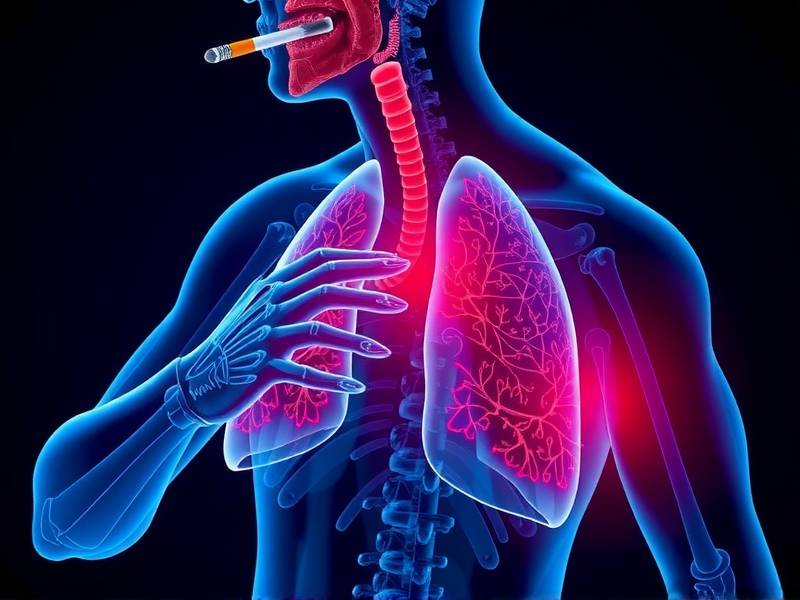
During the first week, you'll likely notice an improvement in your breathing. This is because your lungs are starting to clear out mucus and debris that have accumulated from years of smoking. Your sense of smell and taste may also improve as these senses are affected by the chemicals in cigarettes.
The First Month
After about a month, you can expect to see significant changes. Your lung function may have improved by up to 10%, according to the American Lung Association. You'll find it easier to breathe and engage in physical activities without getting as tired as quickly.
The First Year
Within a year, your risk of heart disease is reduced by half compared to when you were smoking. Your lungs continue to clear out tar and other harmful substances, leading to further improvements in lung function.
The Long-Term Outlook
Over time, your lungs will continue to heal and may eventually return to near their pre-smoking state. According to research from the National Institutes of Health (NIH), nonsmokers have a lower risk of chronic obstructive pulmonary disease (COPD) than current smokers.
Factors Affecting Healing
It's essential to understand that everyone's recovery process is unique. Several factors can influence how quickly your lungs heal after quitting smoking:
- Duration of Smoking: Longer-term smokers may experience a longer healing period.
- Amount Smoked: The more you smoked, the more severe the damage, but healing can still occur.
- Age: Younger individuals tend to recover faster than older ones.
- Overall Health: Individuals with good overall health often see quicker results.
Staying on Track
To ensure optimal lung recovery, it's crucial to avoid relapse. Seek support from friends, family, or support groups like Smokefree.gov or quitlines for additional assistance in maintaining your smoke-free lifestyle.
Conclusion
The journey towards lung recovery after quitting smoking is both challenging and rewarding. By understanding the timeline and factors at play, you can stay motivated and focused on achieving better health for yourself. Remember, every day without a cigarette brings you one step closer to healthier lungs and a longer life.