
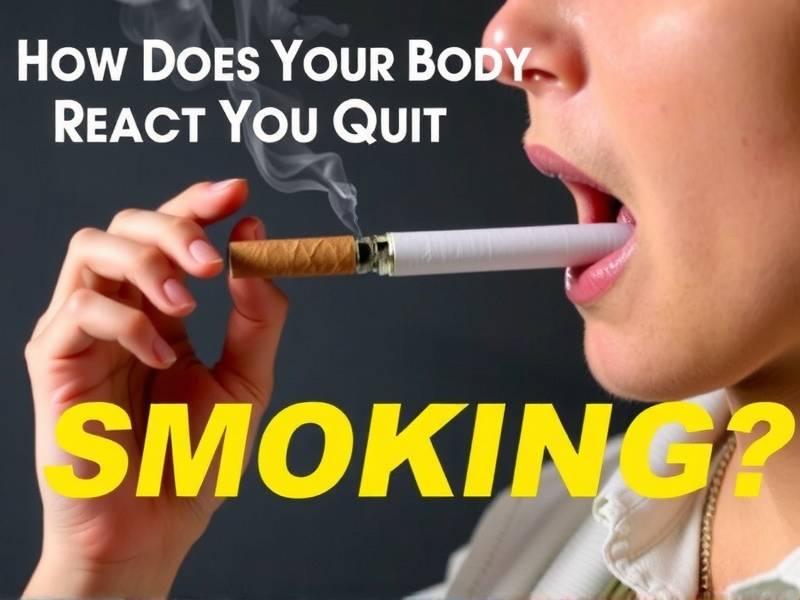
How Does Your Body React When You Quit Smoking?
Unveiling the Body's Transformation: How Quitting Smoking Affects You
Introduction: Quitting smoking is a significant life decision that can lead to profound changes in one's health. Many individuals are curious about the physical reactions their bodies undergo when they finally kick the habit. In this article, we'll explore the fascinating journey of your body as it responds to the absence of tobacco.
1. Immediate Benefits When you quit smoking, your body immediately starts to heal from the damages caused by nicotine and other harmful chemicals. Here are some immediate benefits:
- Improved Oxygen Supply: Within 20 minutes of quitting, your blood pressure and heart rate begin to normalize, allowing for improved oxygen flow throughout your body.
- Reduced Risk of Heart Disease: Within 12 hours, your risk of heart attack decreases significantly.
2. Short-Term Effects Over the first few weeks and months after quitting, you'll notice several short-term effects:
- Coughing and Breathing: You may experience a cough as your lungs start to clear out mucus and tar buildup from years of smoking.
- Increased Appetite: Your metabolism speeds up, leading to an increased appetite.
- Weight Gain: Some individuals gain weight as their metabolism adjusts; however, maintaining a healthy diet and regular exercise can help mitigate this.
3. Long-Term Benefits The long-term benefits of quitting smoking are substantial and can last a lifetime:
- Lower Risk of Cancer: Within five years of quitting, your risk of stroke drops by almost half.
- Improved Lung Function: Ten years after quitting, your lung cancer death rate is about half that of a continuing smoker's.
- Increased Lifespan: By quitting smoking, you significantly reduce your risk of developing various chronic diseases.
4. Mental Health Benefits Quitting smoking not only improves physical health but also has a positive impact on mental well-being:
- Stress Reduction: Many smokers use cigarettes as a coping mechanism for stress; however, alternative methods like meditation or exercise can help manage stress levels without relying on tobacco.
- Enhanced Mood: As nicotine withdrawal symptoms subside, many individuals report feeling more relaxed and content.
Conclusion: Quitting smoking is a transformative journey for both your body and mind. By understanding how your body reacts to quitting, you can better appreciate the positive changes that occur over time. Embrace this new chapter in your life with determination and support from loved ones or professional resources like counseling or support groups. Remember that every step towards quitting is progress towards a healthier future.