Does Quitting Smoking Really Help with Kidney Disease?
Does Quitting Smoking Really Help with Kidney Disease? Unveiling the Truth
Introduction: Kidney disease is a serious health condition that affects millions of people worldwide. Smoking, as we all know, is a major risk factor for kidney damage. But can quitting smoking really help in managing or preventing kidney disease? In this article, we will explore the relationship between smoking and kidney health, and provide you with valuable insights.
I. The Link Between Smoking and Kidney Disease
-
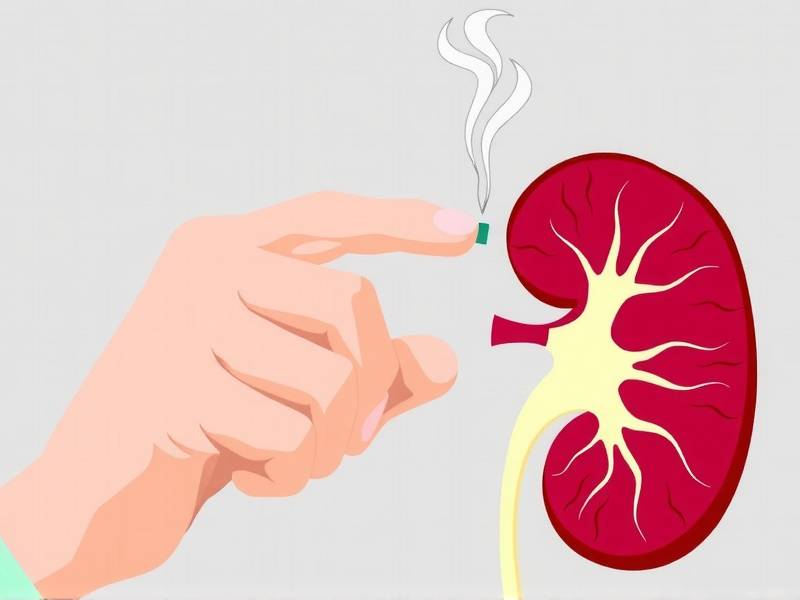
Smoking as a Risk Factor for Chronic Kidney Disease (CKD) Chronic kidney disease is a progressive condition that can lead to kidney failure or end-stage renal disease (ESRD). Studies have shown that smoking is a significant risk factor for developing CKD. The toxic substances in cigarettes can damage the kidneys over time, leading to reduced kidney function.
-
Increased Risk of Renal Cancer Smoking also increases the risk of renal cancer, one of the most common cancers affecting the kidneys. The harmful chemicals in cigarettes can cause DNA mutations in kidney cells, leading to cancer development.
II. The Benefits of Quitting Smoking for Kidney Health
-
Improved Kidney Function When you quit smoking, your kidneys begin to recover from the damage caused by tobacco smoke. Over time, quitting smoking can improve your kidney function and reduce the progression of CKD.
-
Reduced Risk of Renal Cancer By quitting smoking, you significantly lower your risk of developing renal cancer. This is because the harmful chemicals in cigarettes are no longer present to cause DNA mutations in kidney cells.
-
Better Overall Health Quitting smoking has numerous benefits beyond improving kidney health, including reducing the risk of heart disease, stroke, and respiratory conditions. A healthier lifestyle overall contributes to better management of kidney disease.
III. Strategies for Quitting Smoking
-
Seek Support Quitting smoking can be challenging; therefore, seeking support from friends, family members, or support groups is crucial. Additionally, consider seeking professional help from healthcare providers who specialize in addiction treatment.
-
Identify Triggers Identifying and avoiding triggers that make you want to smoke is essential for successful quitting. Common triggers include stress, alcohol consumption, or certain social situations.
-
Alternative Therapies Alternative therapies such as nicotine replacement therapy (NRT), prescription medications like bupropion or varenicline, and behavioral interventions may aid in your journey to quit smoking.
Conclusion: In conclusion, quitting smoking can significantly improve kidney health by reducing the progression of chronic kidney disease and lowering the risk of renal cancer. If you are struggling with quitting smoking or managing kidney disease, take these insights into consideration and seek professional help when needed. Your kidneys—and overall health—will thank you!