
Why Do Lungs Hurt After Quitting Smoking?
The Pain in Your Lungs After Quitting Smoking: Understanding the Reasons
Introduction: Quitting smoking is a significant step towards a healthier lifestyle. However, many individuals experience discomfort, particularly in the lungs, after they quit. This article aims to explore why lungs hurt after quitting smoking and provide insights into managing this discomfort.
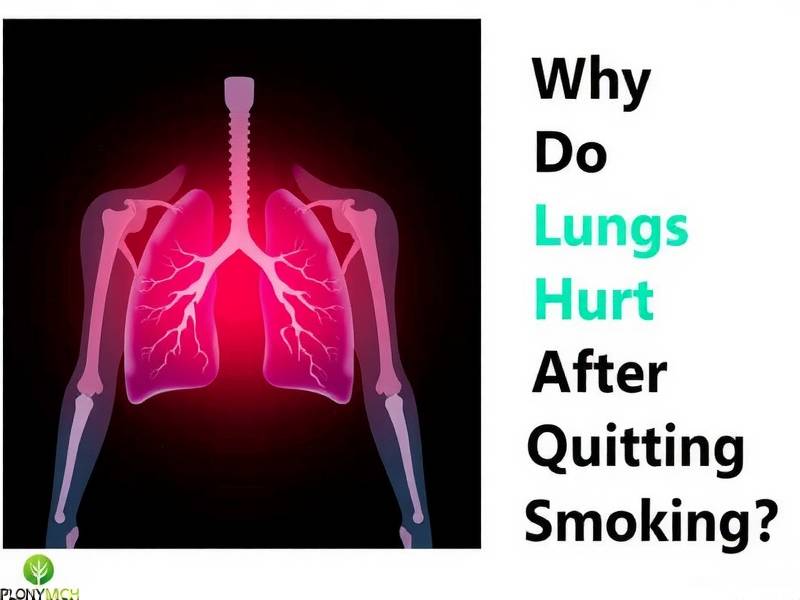
- The Healing Process When you quit smoking, your body starts healing itself from the damage caused by tobacco smoke. One of the primary reasons for lung pain after quitting is the healing process itself.
a. Inflammation The chemicals present in cigarettes cause inflammation in the lungs. When you stop smoking, your body begins to repair this inflammation, leading to a temporary increase in pain or discomfort.
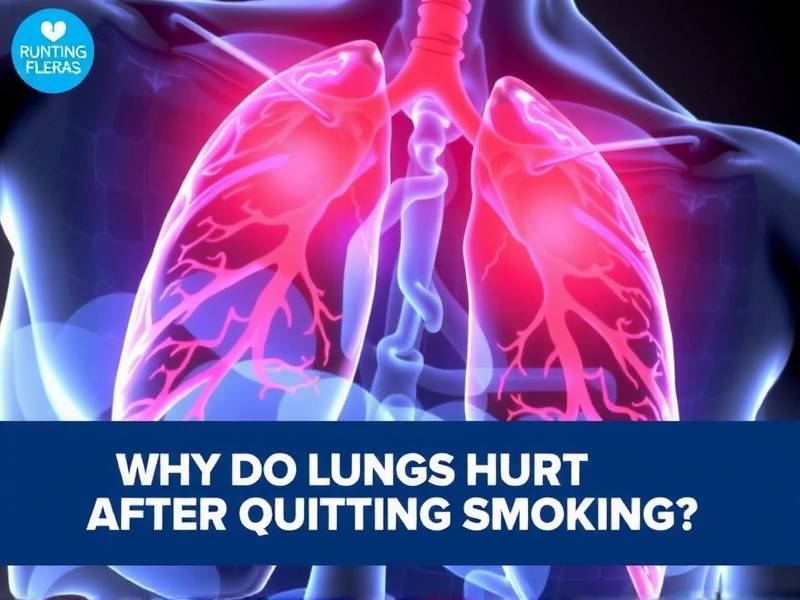
b. Coughing and Clearing Quitting smoking often triggers a cough as your body tries to clear out mucus and debris accumulated due to years of smoking. This cough can cause pain or soreness in the chest area.
- Oxygen Supply Improvement As your body adjusts to life without cigarettes, it starts utilizing oxygen more efficiently. This improvement in oxygen supply can sometimes lead to discomfort as your lungs expand and become more sensitive.
a. Chest Tightness You might experience chest tightness as your lungs try to accommodate increased oxygen levels. This sensation can be mistaken for pain but is usually a sign of your body adapting to better health.
b. Shortness of Breath Initially, you may find it challenging to breathe deeply due to increased lung capacity and improved oxygen supply. While this might feel uncomfortable, it's a positive sign that your lungs are healing.
- Nicotine Withdrawal Symptoms Nicotine withdrawal can also contribute to lung pain after quitting smoking.
a. Headaches Headaches are common during nicotine withdrawal and can radiate into the neck and shoulders, causing discomfort that might be mistaken for lung pain.
b. Nausea and Gastrointestinal Issues Nausea and gastrointestinal issues are other withdrawal symptoms that might lead you to believe that something is wrong with your lungs.
- Dealing with Lung Pain After Quitting Smoking
a. Breathing Exercises Engaging in breathing exercises can help alleviate chest tightness and improve lung function after quitting smoking.
b. Hydration Drinking plenty of water helps thin mucus, making it easier for you to cough up phlegm and reduce chest discomfort.
c. Resting Adequately Resting allows your body time to heal from previous damage caused by smoking.
Conclusion: Lung pain after quitting smoking is a temporary phase that signifies healing and improvement in lung health. By understanding the reasons behind this discomfort and adopting appropriate measures, you can navigate through this period more comfortably on your journey towards a smoke-free life.