
How to Improve Gums After Quitting Smoking: Effective Tips and Tricks
Introduction
Quitting smoking is a significant step towards improving your overall health. However, the journey doesn't end there. One often overlooked aspect of smoking cessation is the impact on your gums. If you've recently quit smoking, you may have noticed changes in your gum health. In this article, we'll explore effective tips and tricks to improve your gums after quitting smoking.
Understanding the Impact of Smoking on Gums
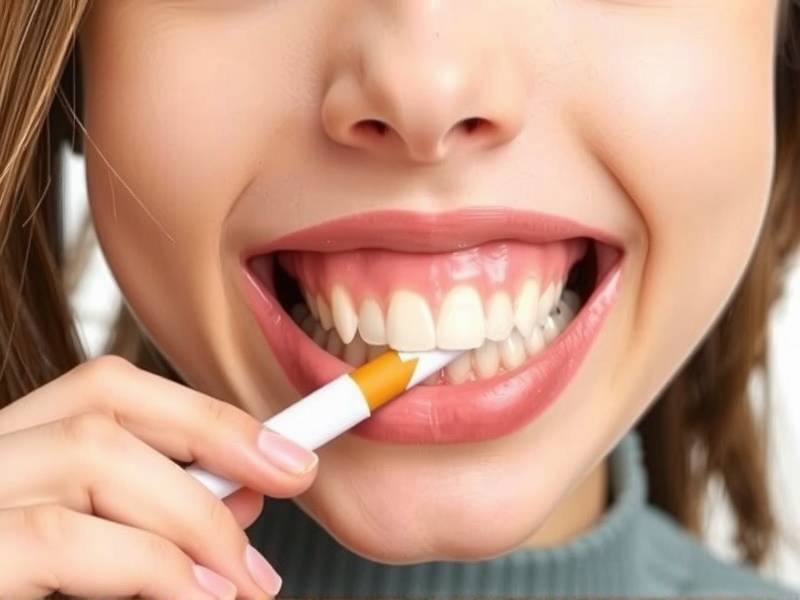
Smoking can cause a range of oral health issues, including gum disease. The chemicals in tobacco can lead to inflammation, bleeding, and receding gums. As you quit smoking, these symptoms may improve, but it's essential to take proactive steps to ensure your gums recover fully.
Effective Tips for Improving Gums After Quitting Smoking
1. Practice Good Oral Hygiene
One of the most crucial steps in improving your gum health is maintaining good oral hygiene. Brush your teeth at least twice a day with fluoride toothpaste and floss daily. This helps remove plaque and food particles that can contribute to gum disease.
2. Use Mouthwash Regularly
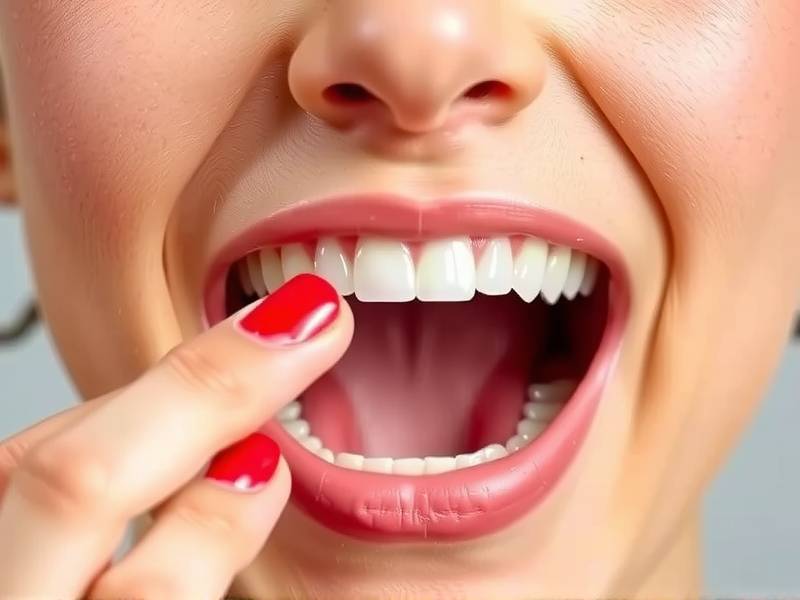
Mouthwash can help kill bacteria that cause gum disease and reduce inflammation. Look for mouthwashes with antibacterial properties or those specifically designed for gum health.
3. Visit Your Dentist Regularly
Regular dental check-ups are essential after quitting smoking. Your dentist can provide professional cleanings and monitor your gum health closely.
4. Try Natural Remedies
Certain natural remedies may help improve your gum health after quitting smoking:
- Tea Tree Oil: Known for its antibacterial properties, tea tree oil can help reduce inflammation and kill bacteria.
- Aloe Vera: Aloe vera has anti-inflammatory properties that can soothe irritated gums.
- Honey: Honey has natural antibacterial properties that can help fight off infection.
5. Stay Hydrated
Drinking plenty of water helps keep your mouth moist and reduces the risk of dry mouth, which can lead to increased plaque buildup.
6. Avoid Harmful Substances
Quitting smoking is a great start, but it's also important to avoid other harmful substances like alcohol and caffeine, as they can exacerbate gum problems.
Conclusion
Improving your gums after quitting smoking requires dedication and consistency. By following these effective tips and tricks, you can ensure a healthier smile and better overall oral health. Remember that patience is key—gum healing takes time, so be patient with yourself as you work towards improved oral health post-quitting smoking.
Remember to consult with dental professionals or healthcare providers for personalized advice on improving your gum health after quitting smoking.