Do You Cough Up Phlegm When You Quit Smoking? The Truth About Lung Health
Introduction: The Common Symptom of Quitting Smoking
When it comes to quitting smoking, many individuals experience a variety of withdrawal symptoms. One of the most common symptoms is coughing up phlegm. This phenomenon often raises questions about lung health and the impact of smoking cessation. In this article, we will delve into the truth behind this symptom and its implications for lung health.
What Causes Coughing Up Phlegm After Quitting Smoking?
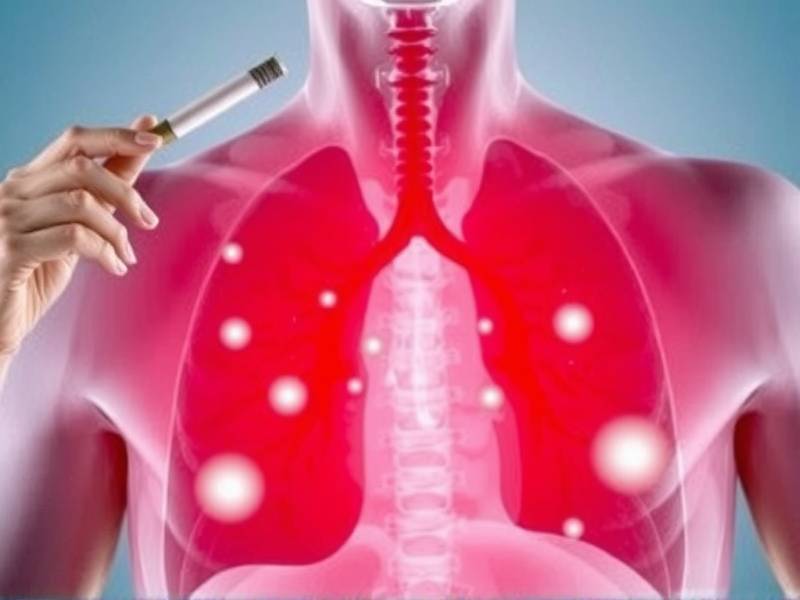
The act of quitting smoking can trigger a cough that produces phlegm due to several reasons. Firstly, the body's natural response to the absence of nicotine is to start healing itself. As a result, the lungs begin to expel accumulated tar and mucus that have been present for years. This process can lead to coughing as the body tries to clear out these harmful substances.
Secondly, when you stop smoking, your respiratory system starts to function better, which may result in increased mucus production. This increased mucus helps in clearing out irritants from your lungs, but it can also cause coughing.
Is Coughing Up Phlegm a Concern for Lung Health?
While coughing up phlegm after quitting smoking is quite common, it does not necessarily indicate a serious problem with lung health. In fact, it is often seen as a positive sign that your body is working to heal itself.
However, if you experience persistent coughing with phlegm or any other worrying symptoms such as shortness of breath or chest pain after quitting smoking, it's essential to consult with a healthcare professional. They can help determine if there are any underlying conditions affecting your lung health.
How Long Does It Take for Your Lungs to Heal After Quitting Smoking?
The time it takes for your lungs to heal after quitting smoking varies from person to person. Some individuals may notice improvements within a few weeks or months, while others might take longer.
According to research conducted by the American Lung Association, your lungs can start repairing themselves within 48 hours after quitting smoking. Over time, the risk of developing chronic respiratory diseases like COPD decreases significantly as your lungs continue to heal.
Tips for Managing Coughing Up Phlegm While Quitting Smoking
To help manage coughing up phlegm during your quit journey:
- Stay hydrated: Drinking plenty of water can help thin out mucus and make it easier to cough up.
- Use steam inhalation: Breathing in steam from hot water or using a humidifier can help loosen mucus.
- Practice deep breathing exercises: These exercises can improve lung function and help clear out trapped mucus.
- Avoid irritants: Stay away from smoke-filled environments and reduce exposure to dust and pollen.
- Seek support: Join a support group or talk with friends and family about your challenges.
In conclusion, while coughing up phlegm is a common symptom when you quit smoking, it is generally considered a sign that your body is healing itself. However, if you have any concerns about your lung health or persistent symptoms after quitting smoking, consult with a healthcare professional for personalized advice and guidance on managing these issues effectively.