
Does Quitting Smoking Really Reduce Cholesterol?
Does Quitting Smoking Really Reduce Cholesterol?
Introduction: Smoking has been widely recognized as a significant risk factor for heart disease, stroke, and other health issues. One of the primary reasons why quitting smoking is encouraged is its potential benefits on cholesterol levels. But does quitting smoking really reduce cholesterol? Let's explore this topic further.
Understanding Cholesterol: Cholesterol is a waxy substance found in the body's cells that plays an essential role in various bodily functions. However, when cholesterol levels become too high, it can lead to the buildup of plaque in the arteries, increasing the risk of heart disease and stroke.

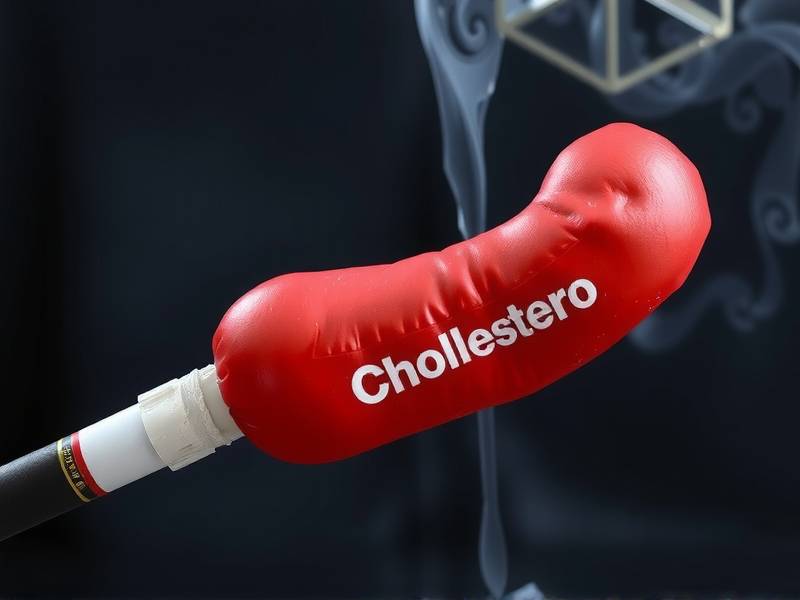
The Impact of Smoking on Cholesterol: Smoking has been proven to have a detrimental effect on cholesterol levels. It raises the levels of low-density lipoprotein (LDL) cholesterol, often referred to as "bad" cholesterol, while also lowering high-density lipoprotein (HDL) cholesterol, known as "good" cholesterol. This imbalance increases the risk of plaque buildup in arteries.
The Benefits of Quitting Smoking on Cholesterol: Research has shown that quitting smoking can have a positive impact on cholesterol levels. Here's how:
-
Improved HDL Cholesterol Levels: Within just a few weeks after quitting smoking, HDL cholesterol levels tend to increase. This "good" cholesterol helps remove LDL cholesterol from arteries, reducing the risk of plaque buildup.
-
Decreased LDL Cholesterol Levels: After several months of being smoke-free, LDL cholesterol levels may begin to decrease. This reduction in "bad" cholesterol can help prevent artery blockages and lower the risk of heart disease and stroke.
-
Overall Improvement in Cholesterol Ratio: The ratio between total cholesterol and HDL cholesterol tends to improve after quitting smoking. A healthier ratio indicates a lower risk of cardiovascular diseases.
-
Slower Progression of Atherosclerosis: Quitting smoking can also slow down the progression of atherosclerosis, which is the hardening and narrowing of arteries due to plaque buildup.
-
Long-term Benefits: The benefits of quitting smoking on cholesterol continue over time. Studies have shown that even after several years of being smoke-free, individuals who quit smoking continue to experience improvements in their lipid profiles.
Conclusion: In conclusion, quitting smoking does indeed reduce cholesterol levels and offers numerous health benefits related to cardiovascular diseases. By breaking free from this harmful habit, individuals can significantly improve their lipid profiles and overall well-being. If you're struggling with quitting smoking or seeking motivation to quit, remember that taking this crucial step can lead to better heart health and longer life expectancy.