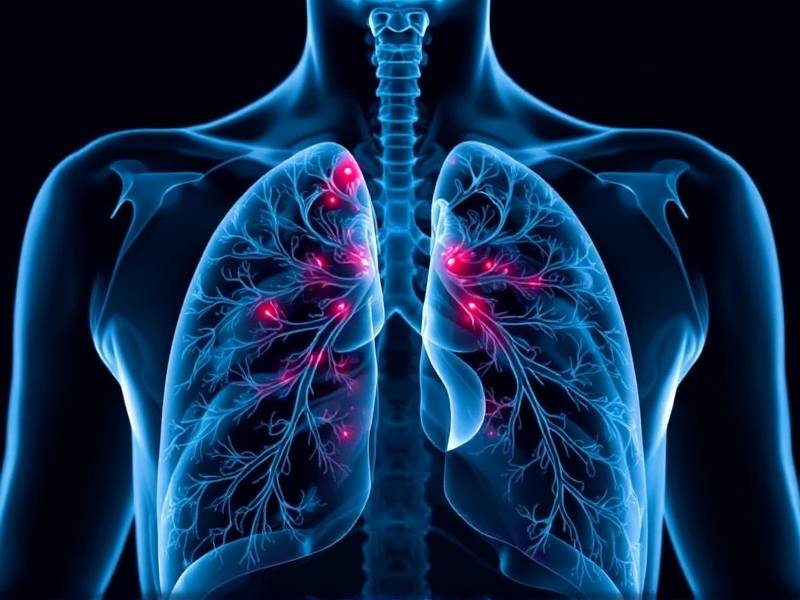
How Long After Quitting Smoking to Clear Lungs?
How Long After Quitting Smoking Does It Take to Clear Your Lungs?
Subheading: The Journey to Lung Health After Smoking Cessation
Introduction: The decision to quit smoking is a monumental step towards improving one's health. However, the lingering question often arises: How long does it take for the lungs to clear after quitting? This article delves into the timeline of lung recovery and provides insights into the process.
- Immediate Benefits of Quitting Smoking
As soon as you quit smoking, your body begins its healing process. Within 20 minutes of quitting, your heart rate and blood pressure drop, reducing the risk of heart disease. Within 12 hours, carbon monoxide levels in your blood decrease, and within 48 hours, your sense of smell and taste begin to improve.
- The Timeline of Lung Recovery
The timeline for lung recovery after quitting smoking can vary from person to person. However, here is a general overview:
- 1-3 months: Shortness of breath decreases significantly as lung capacity improves.
- 3-9 months: Coughing and phlegm production decrease as the lungs continue to clear mucus.
- 1 year: Risk of coronary heart disease is reduced by half compared to a smoker.
- 5 years: Risk of stroke is reduced by half.
- 10 years: Risk of lung cancer is reduced by half compared to a continuing smoker.
- 15 years or more: The risk of dying from lung cancer is similar to that of a non-smoker.
- Factors Affecting Lung Recovery
Several factors can influence how quickly your lungs recover after quitting smoking:
- Age: Younger individuals tend to recover faster than older smokers.
- Duration and intensity of smoking: Smokers who have smoked for a shorter period or have smoked less intensely may see quicker improvements.
- Genetic predisposition: Some individuals may have a genetic makeup that affects their ability to recover from smoking-related damage.
- Environmental factors: Exposure to secondhand smoke or pollution can delay recovery.
- Tips for Accelerating Lung Recovery
While the body naturally heals itself after quitting smoking, there are steps you can take to support lung recovery:
- Stay hydrated by drinking plenty of water throughout the day.
- Engage in regular physical activity, such as walking or jogging, which helps improve lung function.
- Avoid exposure to secondhand smoke and pollutants.
- Seek support from friends, family, or support groups.
Conclusion:
Quitting smoking is an essential step towards better health. While it may seem like an arduous journey, understanding the timeline for lung recovery can provide hope and motivation. By taking proactive steps and seeking support when needed, you can accelerate your journey towards healthier lungs and a better quality of life.