
How Long Does It Take to Recover Lung Function After Quitting Smoking?
The Journey to a Healthier Breath
Quitting smoking is a monumental decision that comes with a myriad of health benefits. One of the most significant advantages is the potential for lung function recovery. But just how long does this process take? Let's delve into the details.
The Initial Weeks: A New Beginning
In the first few weeks after quitting, your body begins to show immediate signs of improvement. The carbon monoxide levels in your blood start to drop, and your heart rate and blood pressure may stabilize. This initial phase is crucial as it sets the stage for long-term recovery.
The First Month: Breathing Easier
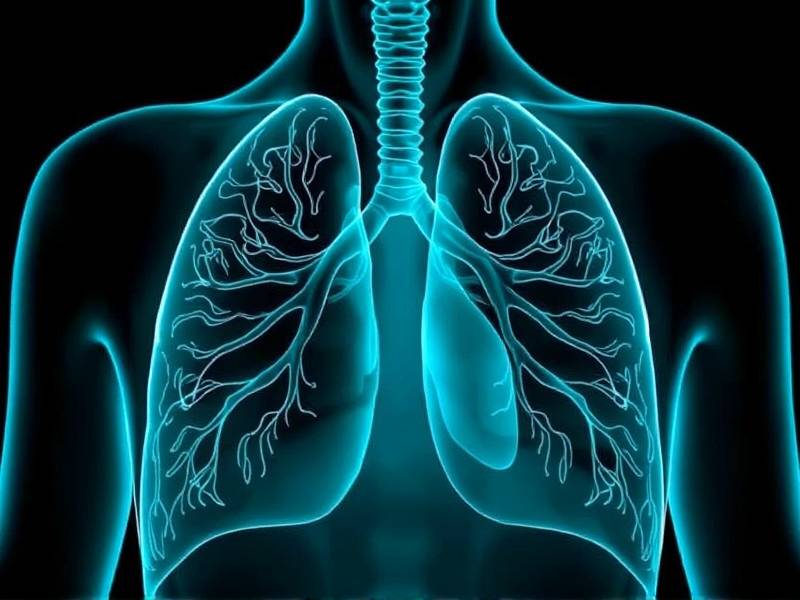
By the end of the first month, you'll likely notice that you're coughing less and breathing more easily. Your lungs are starting to clear out mucus and debris that have accumulated over years of smoking. This is a sign that your respiratory system is on the mend.
The First Year: A Milestone in Recovery
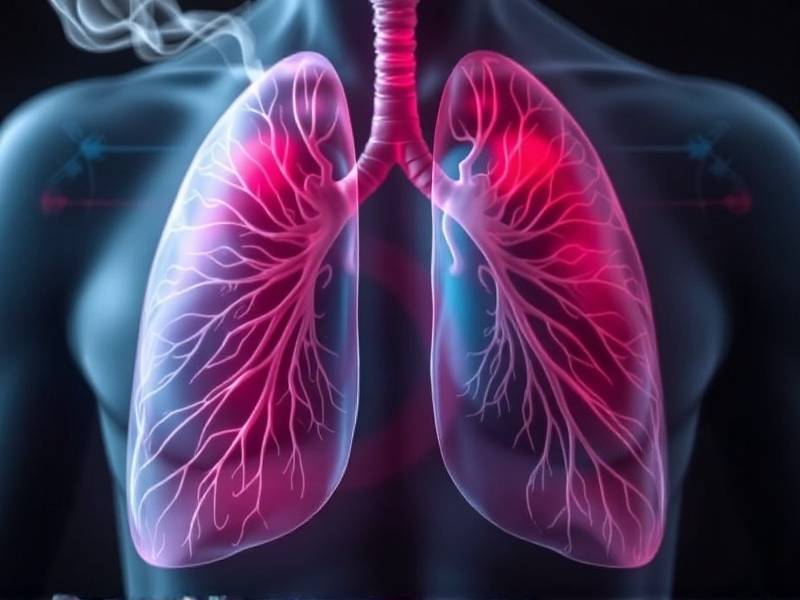
Within one year of quitting, many ex-smokers experience a considerable improvement in lung function. The risk of heart disease starts to decline, and your immune system becomes stronger. This period marks a significant milestone on the road to recovery.
The Subsequent Years: Continuing Progress
The lungs continue to repair themselves over several years after quitting. By this time, you may find that you have more energy and can engage in physical activities without getting winded as easily. The risk of developing chronic obstructive pulmonary disease (COPD) decreases significantly.
Emerging Research on Lung Recovery
Recent studies have highlighted the remarkable capacity of the human body to heal itself after quitting smoking. Emerging research suggests that with continued abstinence, lung function can continue to improve even years after cessation.
What You Can Do to Speed Up Recovery
While quitting smoking is the most effective way to improve lung health, there are additional steps you can take:
- Stay Active: Regular exercise can help improve lung capacity.
- Maintain a Healthy Diet: Nutrient-rich foods support overall health and aid in recovery.
- Avoid Secondhand Smoke: Exposure to secondhand smoke can negate some of the benefits gained from quitting.
Conclusion
The journey toward recovering lung function after quitting smoking is a gradual process that varies from person to person. However, it's important to remember that every puff you don't take brings you one step closer to better health. Stay committed, be patient, and celebrate each milestone along the way. Your lungs—and your body—will thank you for it.