
How Long Does Withdrawal Last After Quitting Smoking Weed?
Understanding the Duration of Withdrawal After Quitting Weed
Introduction: Quitting smoking weed can be a challenging endeavor for many individuals. Understanding the duration and nature of withdrawal symptoms is crucial for those seeking to break free from this habit. In this article, we will delve into how long withdrawal typically lasts after quitting smoking weed, and provide insights into managing these symptoms effectively.
What is Weed Withdrawal?
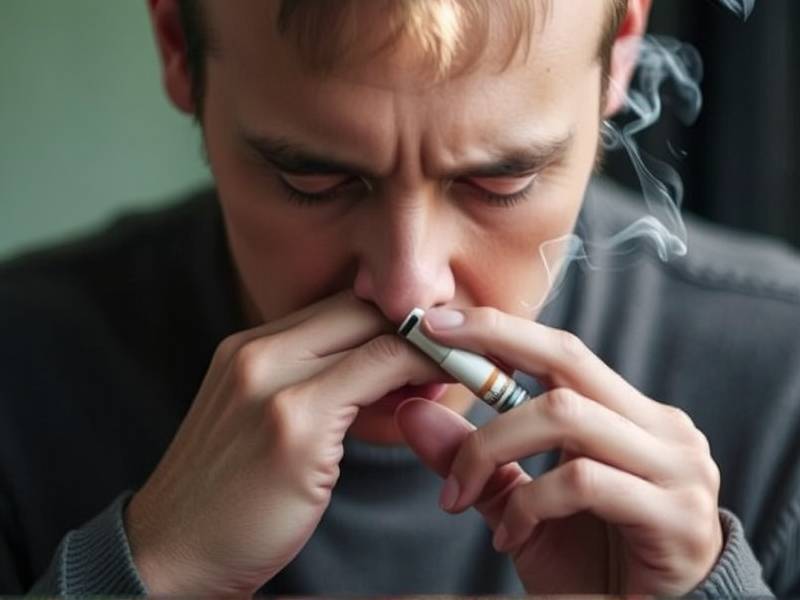
Weed withdrawal refers to the physical and psychological symptoms that occur when a person stops using cannabis. These symptoms can vary in intensity and duration, depending on various factors such as the frequency of use, dosage, and individual tolerance levels.
How Long Does Weed Withdrawal Last?
The duration of weed withdrawal can vary widely among individuals. On average, withdrawal symptoms tend to peak within the first few days after quitting and may persist for up to a few weeks. However, some individuals may experience prolonged withdrawal lasting several months.
Physical Symptoms:
Physical symptoms of weed withdrawal include:
- Increased anxiety
- Sleep disturbances (difficulty falling asleep or staying asleep)
- Decreased appetite
- Irritability
- Restlessness
These physical symptoms are generally short-lived but can be uncomfortable for some individuals.
Psychological Symptoms:
Psychological symptoms associated with weed withdrawal include:
- Cravings for cannabis
- Depression
- Mood swings
- Increased irritability
These psychological symptoms can be more challenging to manage compared to physical ones. They often persist longer than physical symptoms and may require additional support from friends, family, or professionals.
Tips for Managing Weed Withdrawal:
- Stay Hydrated: Drinking plenty of water can help alleviate some of the physical discomfort associated with withdrawal.
- Maintain a Healthy Diet: Eating nutritious meals can boost your energy levels and help manage mood swings.
- Exercise Regularly: Engaging in physical activity can reduce stress and improve mood.
- Seek Support: Sharing your experiences with friends, family, or support groups can provide emotional support during this challenging time.
- Consider Professional Help: If you find it difficult to manage withdrawal symptoms on your own, seeking help from a healthcare professional may be beneficial.
Conclusion:
Understanding the duration of weed withdrawal is essential for those looking to quit smoking cannabis. By recognizing the potential challenges ahead and implementing effective strategies for managing withdrawal symptoms, you can increase your chances of successfully breaking free from this habit. Remember that seeking support from loved ones and professionals is crucial in overcoming the difficulties associated with quitting smoking weed.