
How to Diet After Quitting Smoking: Tips and Tricks for a Healthy Weight Loss Journey
Navigating the New You: How to Diet After Quitting Smoking – Effective Tips and Strategies
Introduction: Quitting smoking is a monumental step towards a healthier lifestyle. However, it often brings with it unexpected challenges, particularly in maintaining a healthy weight. The nicotine in cigarettes can significantly affect your metabolism and appetite, making it harder to manage your weight after quitting. This article offers practical tips and tricks for dieting after quitting smoking, ensuring you embark on a healthy weight loss journey.
Understanding the Metabolic Changes Post-Quitting Smoking

-
Metabolic Shifts:
- After quitting smoking, your body's metabolism begins to adjust.
- It's important to understand that this adjustment period can lead to fluctuations in weight.
-
Appetite Changes:
- Nicotine withdrawal can cause increased appetite or cravings for certain foods.
- Recognize these changes and plan accordingly.
Effective Dieting Strategies Post-Quitting Smoking
-
Balanced Diet:
- Focus on a well-balanced diet that includes plenty of fruits, vegetables, whole grains, lean proteins, and healthy fats.
- A balanced diet helps in managing weight effectively.
-
Regular Meals:
- Eat regular meals at consistent times to regulate your metabolism.
- Skipping meals can disrupt your metabolic rate.
-
Hydration:
- Drink plenty of water throughout the day.
- Staying hydrated helps in curbing appetite and boosting metabolism.
-
Mindful Eating:
- Practice mindful eating by savoring each bite and paying attention to hunger cues.
- This approach can prevent overeating.
-
Limit Processed Foods:
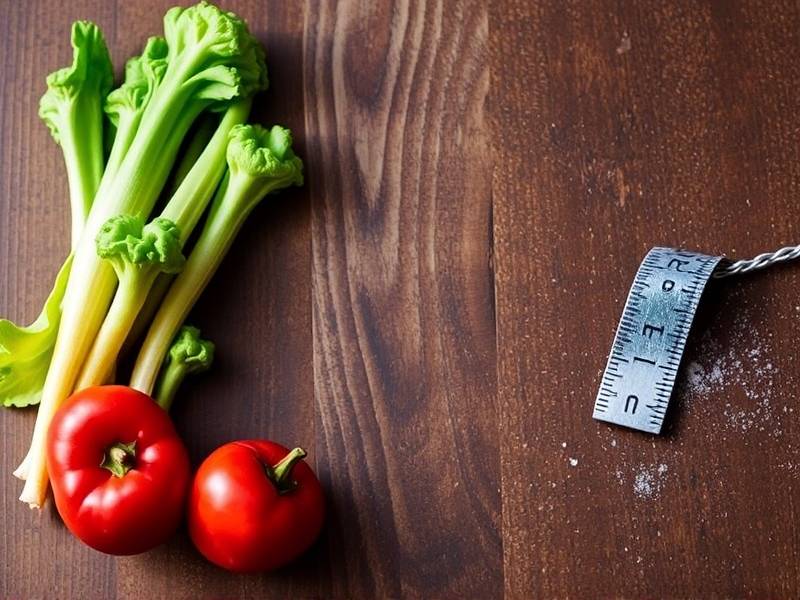
- Avoid processed foods as they are high in calories and low in nutritional value.
- Opt for whole foods instead.
Exercise – An Essential Component of Your Journey
-
Regular Exercise:
- Incorporate physical activity into your daily routine.
- Exercise increases metabolism and aids in weight loss.
-
Types of Exercise:
- Engage in both cardiovascular exercises and strength training.
- Cardiovascular exercises help burn calories, while strength training builds muscle mass, which increases metabolism even at rest.
-
Consistency is Key:
- Regular exercise is more effective than sporadic workouts.
- Aim for at least 30 minutes of moderate-intensity exercise most days of the week.
Support Systems – Your allies on this Journey
-
Seek Professional Advice:
- Consult with a healthcare professional or a registered dietitian for personalized advice tailored to your specific needs.
-
Join Support Groups:
- Joining support groups or online communities can provide emotional support and practical advice from individuals who have gone through similar experiences.
Conclusion: Embarking on a healthy weight loss journey after quitting smoking is achievable with the right approach. By understanding the changes happening within your body, adopting effective dieting strategies, incorporating regular exercise, and seeking support when needed, you can successfully navigate this new phase of your life. Remember that progress takes time; be patient with yourself as you transition towards a healthier lifestyle post-quitting smoking.