
How Long Does It Take to Clear Your Lungs After Quitting Smoking?
The Journey to Clear Lungs: Understanding the Timeline After Quitting Smoking
Introduction: Quitting smoking is a significant step towards a healthier life, but it's natural to wonder about the timeline for lung recovery. Many smokers are curious about how long it takes to clear their lungs after quitting. In this article, we'll explore the process and what you can expect on your journey to cleaner lungs.
The Immediate Impact of Quitting Smoking
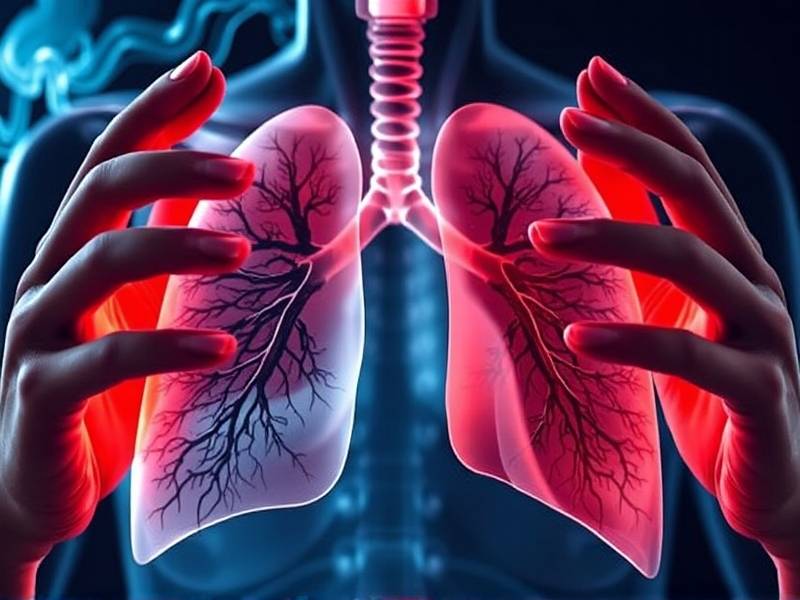
When you quit smoking, your lungs begin to heal almost immediately. Within hours, your blood pressure and heart rate start to normalize, and carbon monoxide levels drop. However, this is just the beginning of a longer process.
Week 1-2: Early Recovery Signs
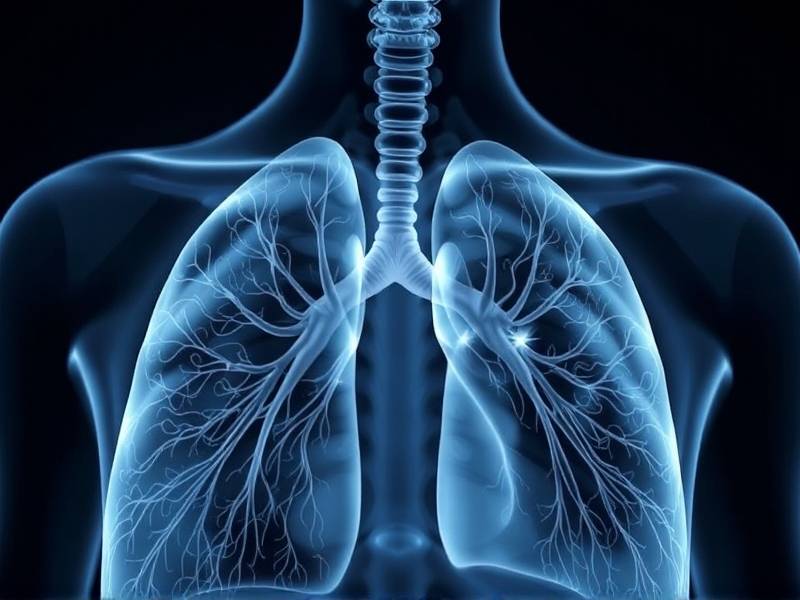
During the first few weeks after quitting, you may notice some early signs of lung improvement. These can include:
- Increased sense of taste and smell: As your lungs clear out tar and other chemicals, your senses may become more acute.
- Less coughing: Your cough should decrease as your lungs start to clean themselves.
- Breathing becomes easier: You might find that you can breathe more deeply and comfortably.
Month 3-6: Continued Progression
By three months post-quit, many people notice further improvements:
- Enhanced lung function: Your lung capacity can increase by up to 10% within three months.
- Reduced shortness of breath: You should experience less difficulty with physical activities.
In the following months, these improvements continue:
- Cough decreases significantly: Your cough should be much less frequent and severe.
- Mucus production changes: The color and consistency of mucus may change as it clears out irritants.
Year 1: Significant Milestones
After one year of not smoking, significant milestones in lung health are reached:
- Risk of heart disease drops significantly: Your risk is similar to that of a nonsmoker.
- Cancer risk decreases: The risk of developing lung cancer continues to decline over time.
Long-Term Recovery: Years 2 and Beyond
As time goes on, the benefits accumulate:
- Further reduction in heart disease risk: After two years, your risk continues to decrease.
- Potential reversal of emphysema or COPD symptoms: While these conditions cannot be fully reversed, quitting smoking can slow their progression.
Conclusion
The journey to clear lungs after quitting smoking is gradual but well worth the effort. While immediate benefits are noticeable within days or weeks, significant improvements take several months to years. By staying smoke-free, you're not only improving your respiratory health but also reducing the risk of various other diseases. Remember that every day without a cigarette brings you closer to healthier lungs and a better quality of life.