
Which Is More Difficult to Quit: Smoking or Drinking?
Which Is More Difficult to Quit: Smoking or Drinking?
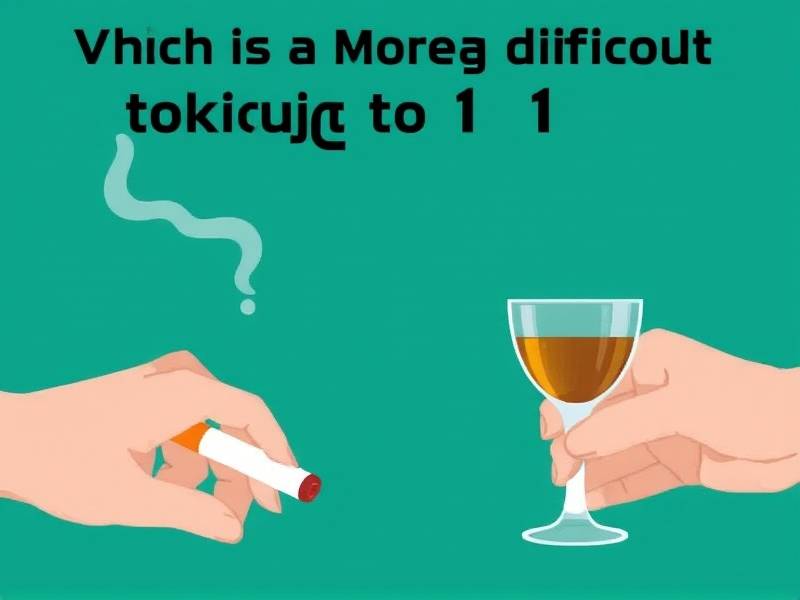
Introduction: The battle against addiction is a challenging one, and for many, the decision to quit smoking or drinking is a monumental step. But which one is harder? In this article, we delve into the complexities of quitting smoking versus drinking, exploring the physical, psychological, and social aspects that make each journey unique.
Physical Challenges:

When it comes to physical dependence, smoking often takes the cake. Nicotine is a highly addictive substance that can lead to severe withdrawal symptoms when attempting to quit. These symptoms include irritability, anxiety, depression, and intense cravings. On the other hand, alcohol withdrawal can also be quite severe, with symptoms such as tremors, confusion, and in some cases, life-threatening delirium tremens.
However, it's important to note that alcohol withdrawal is generally more manageable with proper medical support. This makes quitting drinking potentially less physically demanding than quitting smoking.
Psychological Challenges:
Quitting smoking or drinking can have profound psychological effects on individuals. Both habits are deeply ingrained in many people's lives and serve as coping mechanisms for stress or anxiety. Smoking may provide a sense of relaxation or focus for some smokers, while alcohol may be used as a social lubricant or a way to unwind after a long day.
When attempting to quit either habit, individuals often face significant psychological challenges. These challenges include dealing with cravings, managing stress without their crutch of choice, and overcoming negative thought patterns that reinforce their addiction. While both habits present similar psychological hurdles, the severity of these challenges may vary from person to person.
Social Factors:
Social factors play a crucial role in determining the difficulty of quitting smoking or drinking. For many smokers and drinkers, their habit is intertwined with their social life. Quitting smoking might mean missing out on social gatherings where others are smoking or feeling isolated due to societal stigmatization against smokers.
Drinking cessation can also be socially challenging due to peer pressure and the prevalence of alcohol in social settings. However, support systems like Alcoholics Anonymous (AA) and similar organizations offer valuable resources for those seeking help with alcohol dependence.
Conclusion:
In conclusion, both quitting smoking and drinking present unique challenges that vary from person to person. While physical dependence may be more intense in smokers due to nicotine's potent effects on the body and mind, psychological factors such as stress management play a significant role in both cases.
Ultimately, whether quitting smoking or drinking is more difficult depends on individual circumstances. It's essential for those struggling with addiction to seek professional help and support from loved ones during their journey towards recovery.
Remember that no matter which habit you're trying to break free from—smoking or drinking—there are resources available to help you succeed. Take that first step today and embark on your path towards a healthier life!