
Is It Normal to Have Chest Pain After Quitting Smoking?
Navigating Chest Pain After Smoking Cessation: Is It Normal?
Introduction: Quitting smoking is a significant step towards a healthier life, but it often comes with a set of challenges. One common concern among smokers who have recently quit is experiencing chest pain. This article aims to explore whether it's normal to have chest pain after quitting smoking and what factors might be at play.
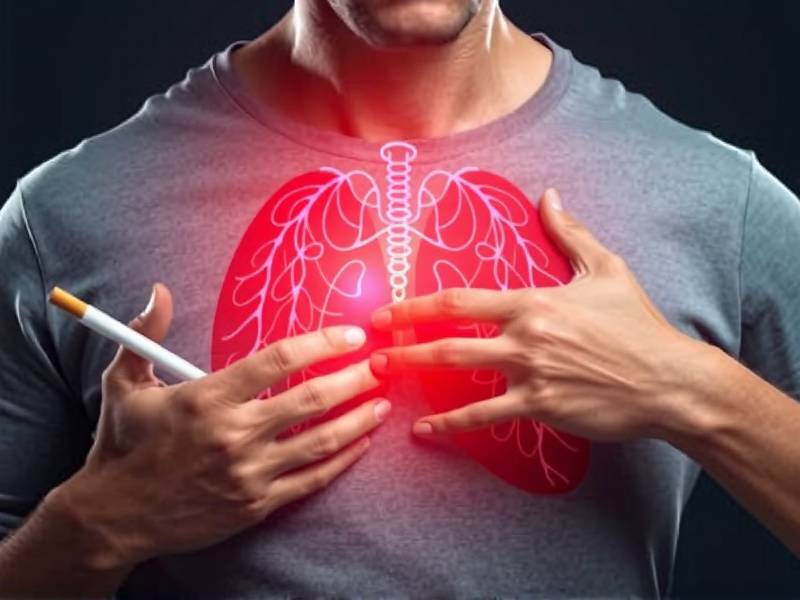
Understanding the Link Between Smoking and Chest Pain: Smoking can cause numerous health issues, including chest pain. The act of smoking introduces harmful chemicals into the lungs, leading to inflammation and narrowing of the airways. Over time, these conditions can cause discomfort or pain in the chest area.

Chest Pain After Quitting Smoking: A Temporary Phenomenon? When you quit smoking, your body begins to heal from the years of exposure to harmful toxins. This healing process can sometimes manifest as chest pain. Here are some reasons why you might experience this symptom:
-
Coughing: As your body tries to clear out tar and mucus from your lungs, you may experience frequent coughing. This can lead to strain on your chest muscles, causing pain.
-
Shortness of breath: Quitting smoking can improve lung function but may also lead to temporary shortness of breath due to inflammation or congestion in the airways.
-
Anxiety: Withdrawal symptoms from quitting smoking can include anxiety, which may manifest as physical symptoms like chest tightness or pain.
Is It Normal? Yes, experiencing chest pain after quitting smoking is relatively common and typically considered a normal part of the recovery process. However, it's essential to differentiate between typical withdrawal symptoms and more severe conditions that may require medical attention.
When Should You Seek Medical Help? While most cases of chest pain after quitting smoking are benign, there are situations where it could indicate a more serious condition:
- Persistent or worsening pain that doesn't improve over time.
- Accompanying symptoms such as difficulty breathing, fever, or excessive sweating.
- Pain that radiates to other parts of the body.
- Any sudden onset of severe chest pain.
In these cases, it's crucial to seek medical advice promptly.
Tips for Managing Chest Pain After Quitting Smoking: To alleviate chest pain after quitting smoking:
- Stay hydrated: Drinking plenty of water can help thin mucus and reduce coughing.
- Practice deep breathing exercises: These exercises can help improve lung function and reduce shortness of breath.
- Engage in physical activity: Regular exercise can boost lung capacity and reduce stress levels.
- Seek support: Joining a support group or seeking counseling can help manage withdrawal symptoms and anxiety.
Conclusion: Chest pain after quitting smoking is generally a normal part of the healing process for your lungs and respiratory system. While most cases are benign, it's essential to monitor any persistent or worsening symptoms and seek medical attention if necessary. With patience and proper care, you'll likely find relief from this temporary discomfort as your body continues its journey towards better health post-smoking cessation.