
Does Anxiety Go Away When You Quit Smoking? The Truth You Need to Know
Does Anxiety Go Away When You Quit Smoking? The Truth You Need to Know
Introduction: Quitting smoking is a significant step towards a healthier life. However, many smokers are concerned about the potential increase in anxiety levels after quitting. In this article, we delve into the truth behind this common worry and provide you with valuable insights.
I. Understanding Anxiety and Smoking

- The Link Between Anxiety and Smoking
- How Smoking Impacts Anxiety Levels
II. What Happens When You Quit Smoking?
- The Body's Response to Withdrawal
- Changes in Brain Chemistry
III. Anxiety After Quitting: Is It Temporary?
- Short-Term Anxiety Symptoms
- Long-Term Anxiety Management
IV. Strategies to Manage Anxiety After Quitting Smoking
- Mindfulness and Meditation Techniques
- Professional Support and Therapy Options
V. The Importance of Patience and Perseverance
- Understanding the Recovery Process
- Celebrating Small Milestones
Conclusion: While it is natural to experience anxiety when quitting smoking, it is crucial to remember that it is a temporary phase for most individuals. By adopting healthy coping mechanisms and seeking support when needed, you can overcome this challenge and embrace a smoke-free life.
I. Understanding Anxiety and Smoking
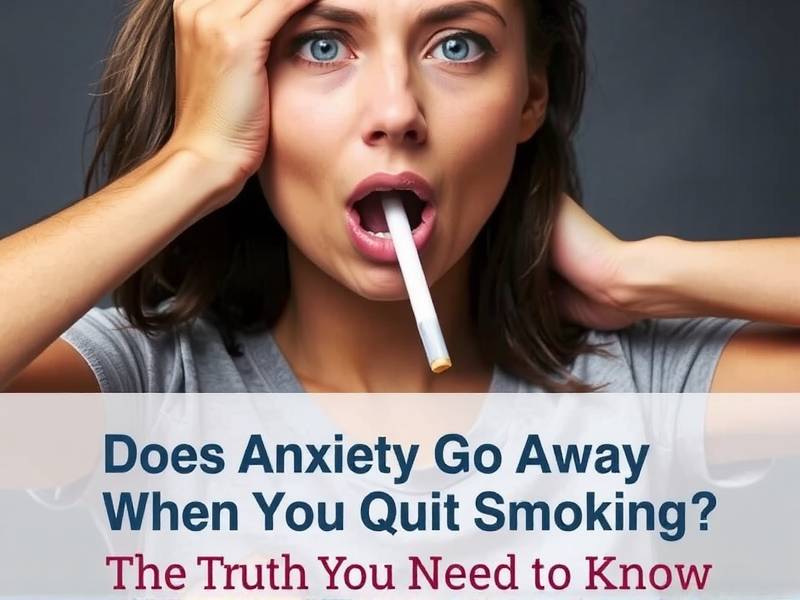
Anxiety is a common concern among smokers who are contemplating quitting or have recently quit smoking. It's essential to understand the link between anxiety and smoking to address this concern effectively.
-
The Link Between Anxiety and Smoking: Research indicates that smoking can act as a coping mechanism for anxiety symptoms, providing temporary relief from stress and worry.
-
How Smoking Impacts Anxiety Levels: Nicotine, the addictive substance in cigarettes, affects the brain's reward system, leading to increased levels of dopamine—a neurotransmitter associated with pleasure and reward.
II. What Happens When You Quit Smoking?
Quitting smoking triggers withdrawal symptoms as your body adjusts to the absence of nicotine.
-
The Body's Response to Withdrawal: Common withdrawal symptoms include irritability, restlessness, increased appetite, sleep disturbances, and headaches.
-
Changes in Brain Chemistry: As your body detoxifies from nicotine, brain chemistry begins to stabilize over time, reducing anxiety symptoms associated with withdrawal.
III. Anxiety After Quitting: Is It Temporary?
Anxiety after quitting smoking is often short-lived for most individuals but may persist for some time in others.
-
Short-Term Anxiety Symptoms: In the initial stages of quitting smoking, you may experience heightened anxiety levels due to withdrawal symptoms.
-
Long-Term Anxiety Management: With time, your body adjusts to its nicotine-free state, leading to decreased anxiety levels as your brain chemistry stabilizes further.
IV. Strategies to Manage Anxiety After Quitting Smoking
To manage anxiety effectively after quitting smoking, consider implementing various strategies:
- Mindfulness and Meditation Techniques: Practicing mindfulness meditation can help you stay grounded during anxious moments by focusing on present experiences rather than worries about the future.
2.Professional Support and Therapy Options: Seeking support from mental health professionals or joining support groups can provide additional tools for managing anxiety after quitting smoking.
V. The Importance of Patience and Perseverance
Embracing patience and perseverance throughout your quit journey is essential for overcoming any challenges that arise:
1.Understanding the Recovery Process: It's important to recognize that recovery from addiction takes time; be patient with yourself as you navigate through various stages of quitting smoking.
2.Celebrating Small Milestones: Acknowledge your progress by celebrating small milestones along the way; this will keep you motivated throughout your quit journey.
Conclusion:
While it may be challenging at times, understanding that anxiety after quitting smoking is typically temporary can help alleviate concerns about long-term effects on mental health. By adopting healthy coping mechanisms like mindfulness techniques or seeking professional support when needed, you can effectively manage any residual anxiety while enjoying the numerous benefits of a smoke-free life. Remember, the journey towards better health is worth every effort!