
Can You Still Get COPD Even After Quitting Smoking?
Can You Still Get COPD Even After Quitting Smoking? Understanding the Risks and Recovery
The Persistent Threat of COPD
Chronic Obstructive Pulmonary Disease (COPD) is a progressive lung disease that makes breathing difficult. Many people associate COPD with long-term smoking, but the question arises: Can you still develop COPD even after you've quit smoking? The answer is a complex one, as it involves understanding the nature of COPD and its risk factors.
What is COPD?
COPD is primarily caused by long-term exposure to irritants that damage the lungs, such as tobacco smoke. However, it can also be caused by other factors like air pollution, dust, and occupational chemicals. The disease affects the airways and alveoli in the lungs, leading to chronic inflammation and obstruction of airflow.
Quitting Smoking: A Step in the Right Direction
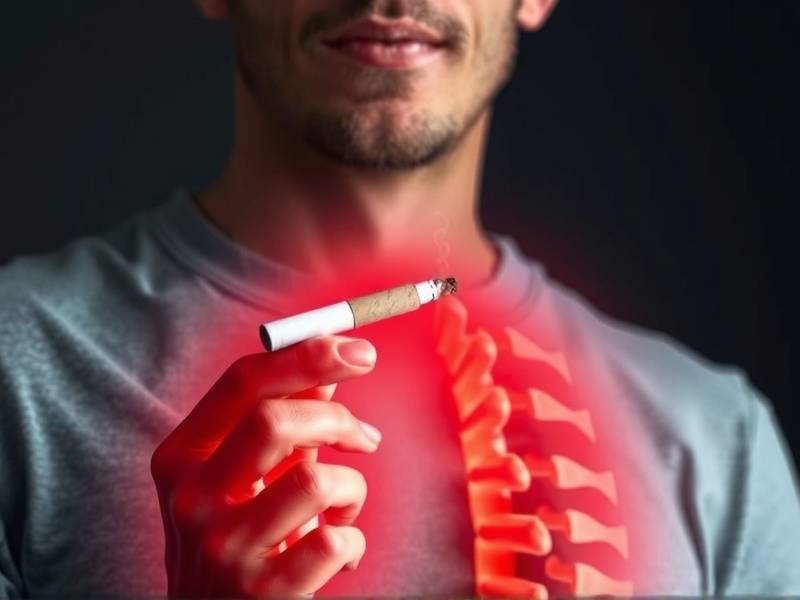
Quitting smoking is one of the most effective ways to reduce your risk of developing COPD. It can slow down the progression of the disease if you already have it. However, this doesn't mean that quitting smoking completely eliminates your risk.
The Risk Continues
Even after quitting smoking, some individuals may still develop COPD due to several reasons:
1. Pre-existing Exposure
If someone has been exposed to high levels of lung irritants before quitting smoking, they may already have some degree of lung damage that could lead to COPD.
2. Genetic Factors
Genetic predisposition can also play a role in developing COPD. Some people are more susceptible to lung damage from environmental factors than others.
3. Other Risk Factors
Continued exposure to other respiratory irritants like air pollution or occupational hazards can increase the risk even after quitting smoking.
Recovery and Prevention
While quitting smoking is a crucial step towards preventing further damage and managing COPD symptoms, it's not the only measure you should take:
1. Regular Check-ups
Regular medical check-ups are essential for monitoring lung function and detecting any early signs of disease progression.
2. Lifestyle Changes
Avoiding other respiratory irritants, maintaining a healthy diet, exercising regularly, and staying hydrated can all contribute to better lung health.
3. Management Techniques
Learning breathing exercises and techniques can help manage symptoms and improve quality of life for those with COPD.
Conclusion
In conclusion, while quitting smoking significantly reduces your risk of developing or worsening COPD, it does not guarantee complete protection against this chronic condition. Understanding the risks associated with other factors and taking proactive steps towards maintaining good lung health is crucial for those who have quit smoking or are considering doing so. Remember, it's never too late to start taking care of your lungs!