
How to Improve Lung Capacity Quickly After Quitting Smoking
Introduction
Quitting smoking is a significant step towards a healthier life, but the journey doesn't end there. Many smokers, once they've taken the plunge, often wonder how to regain their lung capacity quickly. This article delves into effective strategies and lifestyle changes that can help improve lung function post-quit.
Understanding Lung Capacity
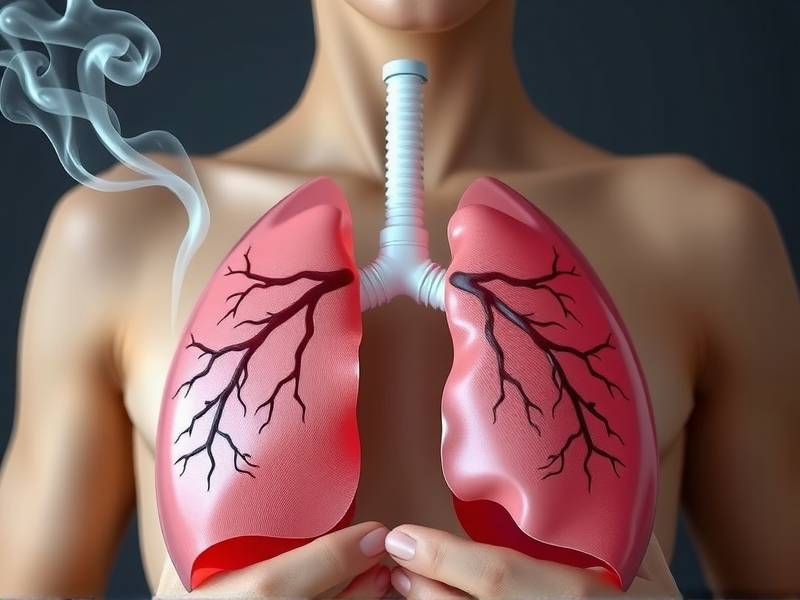
Before we dive into the methods, it's essential to understand what lung capacity is and how smoking affects it. Lung capacity refers to the maximum amount of air your lungs can hold. Smoking causes damage to the lungs, leading to reduced capacity and decreased efficiency in oxygen exchange.
1. Start with Deep Breathing Exercises
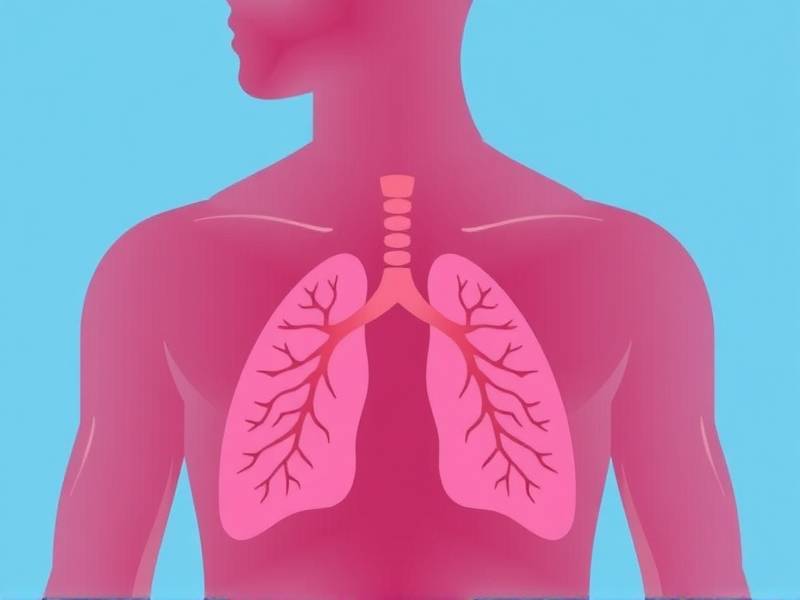
Deep breathing exercises are a fantastic way to boost lung function. They help in expanding the lungs and improving oxygen intake. Here's a simple exercise you can try:
- Find a comfortable seated position.
- Inhale slowly through your nose, allowing your chest and lower belly to rise.
- Hold your breath for a few seconds.
- Exhale slowly through pursed lips, as if you're whistling.
Repeat this cycle for about 5 minutes daily.
2. Increase Physical Activity
Regular physical activity is crucial for improving lung capacity. Activities like walking, jogging, swimming, and cycling increase heart rate and encourage deeper breathing.
Start with moderate exercise that doesn't overwhelm your body. Gradually increase intensity as you become more comfortable.
3. Stay Hydrated
Water is vital for overall health and plays a significant role in lung function. Drinking plenty of water helps thin mucus in the lungs, making it easier to breathe.
Aim for at least 8 glasses of water per day.
4. Avoid Air Pollution
Air quality affects lung health significantly. Try to minimize exposure to secondhand smoke, dust, pollen, and other pollutants that can irritate your lungs.
5. Consider Pulmonary Rehabilitation
Pulmonary rehabilitation programs are designed specifically for people with chronic respiratory diseases or those looking to improve their lung function after quitting smoking.
These programs typically include exercise training, education on managing symptoms, nutrition counseling, and breathing techniques.
6. Monitor Your Progress
Keep track of your progress by noting any changes in how you breathe or how far you can walk without getting winded. Celebrate small victories along the way!
Conclusion
Improving lung capacity after quitting smoking is a gradual process that requires patience and dedication. By incorporating these strategies into your daily routine, you can significantly enhance your respiratory health over time. Remember, every step towards better health is a step towards a better quality of life!