
Why Is My Mouth Sore After Quitting Smoking? The Science Behind the Pain
Introduction: The Challenge of Quitting Smoking
Quitting smoking is a challenging endeavor, and it's not uncommon for individuals to experience various symptoms after they've made the decision to quit. One of the most common issues reported by ex-smokers is a sore mouth. In this article, we delve into the science behind this discomfort and explore why it happens.
The Physical Effects of Smoking on the Mouth
1. Chemical Irritation
Cigarettes contain thousands of chemicals, many of which are known irritants. Over time, these chemicals can cause inflammation in the mouth, leading to soreness and pain.
2. Saliva Changes
Smoking affects saliva production, often leading to dry mouth. Dryness can exacerbate soreness in the mouth as it reduces the natural protection that saliva provides against bacteria and irritants.
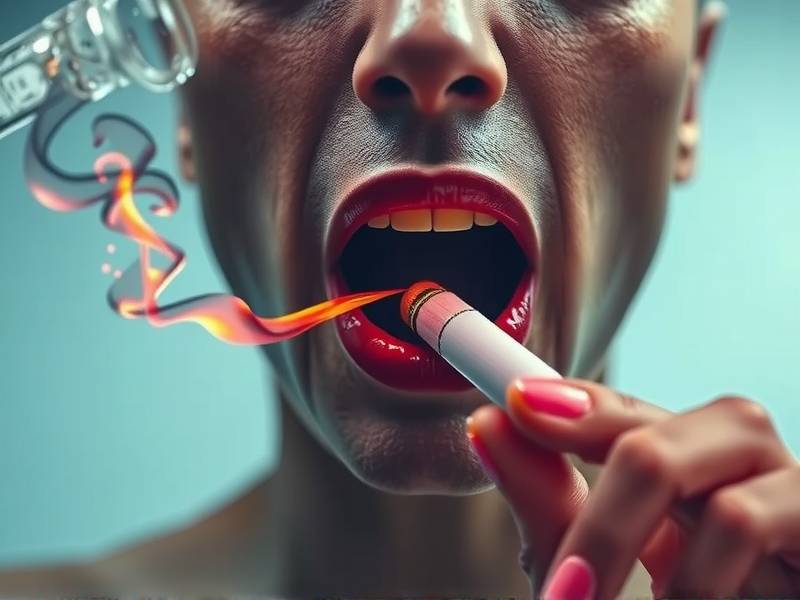
The Body's Response to Smoking Cessation
When you quit smoking, your body begins to heal itself from the damage caused by tobacco use. Here's how this healing process can lead to mouth soreness:
1. Inflammation Reduction
As your body repairs itself after quitting smoking, inflammation in your mouth decreases over time. However, during this healing phase, you might experience temporary soreness as your body adjusts.
2. Saliva Regulation
The production of saliva may fluctuate as your body adjusts to life without tobacco. While more saliva can help soothe soreness, an imbalance in its production might initially cause discomfort.
How Long Does Sore Mouth Last?
The duration of sore mouth after quitting smoking varies from person to person but typically subsides within a few weeks or months as your body continues to heal.
Tips for Managing Sore Mouth During Quitting
1. Stay Hydrated
Drinking plenty of water can help keep your mouth moist and reduce soreness.
2. Use Sugar-Free Gum or Mints
Chewing sugar-free gum or mints can stimulate saliva production and provide temporary relief from soreness.
3. Gently Brush Your Teeth
Brushing gently with a soft-bristled toothbrush can help keep bacteria at bay while minimizing irritation.
Conclusion: A Temporary Setback on Your Journey to Health
A sore mouth after quitting smoking is a common but temporary setback on your path to better health. By understanding the science behind this pain and taking steps to manage it effectively, you'll be one step closer to overcoming this challenge and enjoying a smoke-free life.

Remember that every day without a cigarette is a victory towards better health for both you and those around you who care about you. Keep going – your body will thank you!