
Is Vaping or Smoking More Difficult to Quit?
Navigating the Smoke and Vape: A Comparative Guide to Quitting
Introduction: The debate over whether quitting smoking is more challenging than switching to vaping has been a hot topic in the public health domain. Both habits come with their own set of challenges, and individuals often seek the path of least resistance when it comes to breaking free from nicotine addiction. In this article, we delve into the complexities of quitting smoking versus vaping, offering insights that might help you decide which is more difficult to quit.
Understanding Nicotine Addiction: The Common Thread
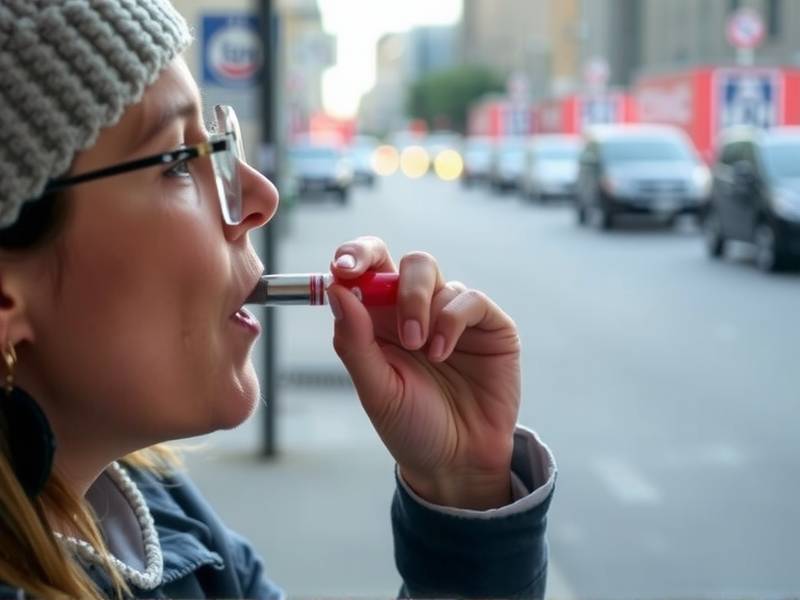
Both smoking and vaping involve the consumption of nicotine, a highly addictive substance. When you inhale tobacco smoke or vapor, nicotine rapidly enters your bloodstream, triggering a release of dopamine—a neurotransmitter associated with pleasure. This immediate gratification makes both smoking and vaping difficult to quit due to their reinforcing effect on the brain.
Smoking: The Traditional Challenge
Smokers have long faced a host of challenges when trying to quit:
- Physical Dependence: Nicotine is a powerful stimulant that can cause withdrawal symptoms such as anxiety, irritability, and cravings.
- Environmental Factors: Smoking is often influenced by social settings and habits that can make quitting feel like an uphill battle.
- Psychological Factors: Many smokers find comfort or stress relief in their habit, making it difficult to let go.
Vaping: The New Frontier
Vaping has emerged as an alternative for those looking to quit smoking but are concerned about the potential health risks associated with traditional cigarettes. Here are some factors that might make quitting vaping more challenging:
- Nicotine Delivery: Vapes deliver nicotine at a much higher concentration than traditional cigarettes, which could mean stronger withdrawal symptoms.
- Taste and Variety: Vaping offers a wide array of flavors and nicotine strengths, making it easier for users to find something they enjoy while continuing their habit.
- Social Acceptance: While public opinion on vaping is shifting, there are still areas where it may be stigmatized or not accepted as an alternative to smoking.
The Psychological Aspect
One key difference between smoking and vaping lies in the psychological aspect of addiction. Smokers often report physical withdrawal symptoms as being more intense compared to those who switch to vaping. However, both groups may struggle with overcoming the psychological dependence on nicotine.
Conclusion: It Depends on the Individual
In conclusion, whether quitting smoking or switching to vaping is more challenging largely depends on individual factors such as personal history with nicotine use and environmental influences. It's essential for anyone looking to quit to consider these factors when choosing their path.
Remember that seeking support from healthcare professionals or support groups can greatly improve your chances of success regardless of which route you choose. Ultimately, breaking free from nicotine addiction is a journey that requires patience, determination, and sometimes alternative strategies tailored to your unique needs.