
How Long Does It Take for Chest Pain to Subside After Quitting Smoking?
How Long Does Chest Pain Last After Quitting Smoking?
Introduction: Quitting smoking is a significant step towards improving one's health, but it often comes with its own set of challenges. Chest pain is a common symptom experienced by smokers who are trying to quit. This article aims to provide insights into how long chest pain typically lasts after quitting smoking, helping individuals understand what to expect during their journey to a smoke-free life.
-
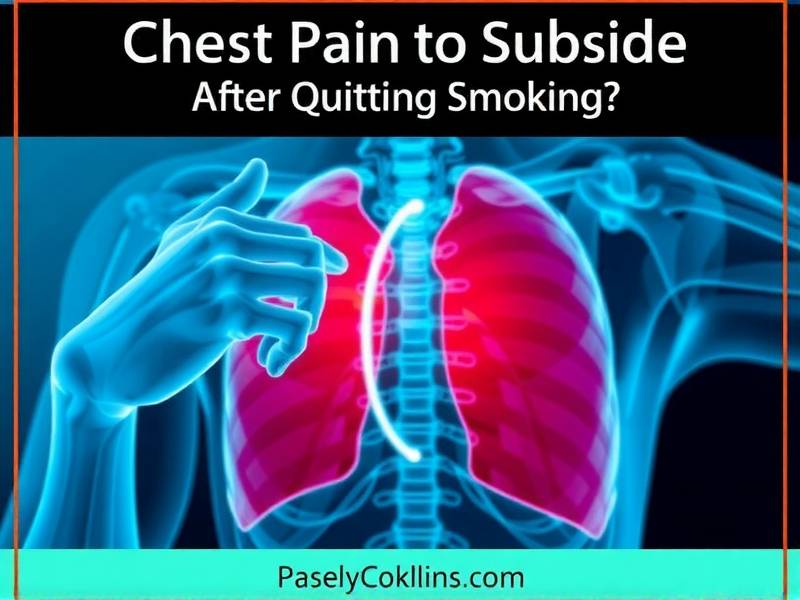
Understanding the Causes of Chest Pain Chest pain in smokers can be attributed to various factors, including nicotine withdrawal and the impact of smoking on the respiratory system. Nicotine withdrawal can cause muscle tension and discomfort, while the long-term exposure to smoke can lead to inflammation and other respiratory issues.
-
The Timeline for Chest Pain Subsidence The duration of chest pain after quitting smoking can vary from person to person. However, most individuals experience a gradual decrease in chest pain symptoms over time. Here's a general timeline:
a) Immediate Relief: Within the first few hours or days after quitting, you may notice some immediate relief from chest pain as your body starts to rid itself of nicotine.
b) Short-Term Relief: Within the first few weeks, most individuals experience a significant reduction in chest pain as their body adjusts to the absence of nicotine. This period may vary from person to person, with some experiencing relief within a week and others taking several weeks.
c) Long-Term Relief: Over several months or even years, chest pain may completely subside as your body continues to heal from the damage caused by smoking. It's important to note that some individuals may still experience occasional episodes of chest pain due to other factors such as stress or physical activity.
- Factors Influencing Chest Pain Duration Several factors can influence how long it takes for chest pain to subside after quitting smoking:
a) Severity of Smoking Habit: Individuals who smoked heavily for an extended period may experience more severe chest pain and require longer healing times compared to those who smoked less frequently or for shorter durations.
b) Overall Health Condition: Individuals with pre-existing health conditions such as asthma or chronic obstructive pulmonary disease (COPD) may experience more pronounced chest pain and require additional time for recovery.
c) Support Systems: Having a strong support system, including friends, family, and healthcare professionals, can significantly aid in managing chest pain during the quitting process.
- Managing Chest Pain During Quitting While there's no magic solution for alleviating chest pain during戒烟, here are some tips that may help:
a) Stay Hydrated: Drinking plenty of water can help ease muscle tension and promote overall well-being.
b) Practice Relaxation Techniques: Activities like deep breathing exercises, meditation, or yoga can help reduce stress and alleviate discomfort.
c) Seek Professional Guidance: If you're struggling with persistent or severe chest pain while trying to quit smoking, it's important to consult with a healthcare professional who can provide appropriate guidance and support.
Conclusion: Quitting smoking is a challenging endeavor that requires patience and determination. Understanding how long it takes for chest pain to subside after quitting can help you stay motivated throughout your journey towards a healthier life. Remember that each individual's experience is unique, so be patient with yourself as your body heals from years of smoking-related damage.