
Which Is Harder: Quitting Smoking or Drinking?
Quitting Smoking vs. Drinking: A Comparative Analysis
Introduction: The debate between quitting smoking and drinking has been a hot topic for quite some time. Both habits can have detrimental effects on one's health, but which one is harder to quit? In this article, we will explore the challenges associated with quitting smoking and drinking, providing insights into the difficulties faced by individuals seeking to break free from these habits.
I. Understanding the Challenges of Quitting Smoking
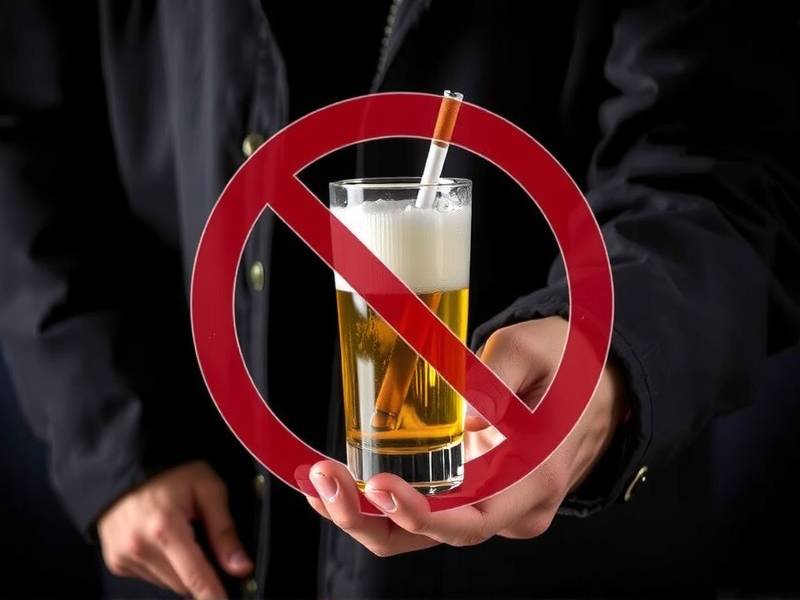
A. The Physical Dependency Smoking is an addictive habit that creates a physical dependency on nicotine. The body becomes accustomed to the presence of nicotine, and withdrawal symptoms can be severe when attempting to quit. These symptoms include anxiety, irritability, headaches, and cravings.
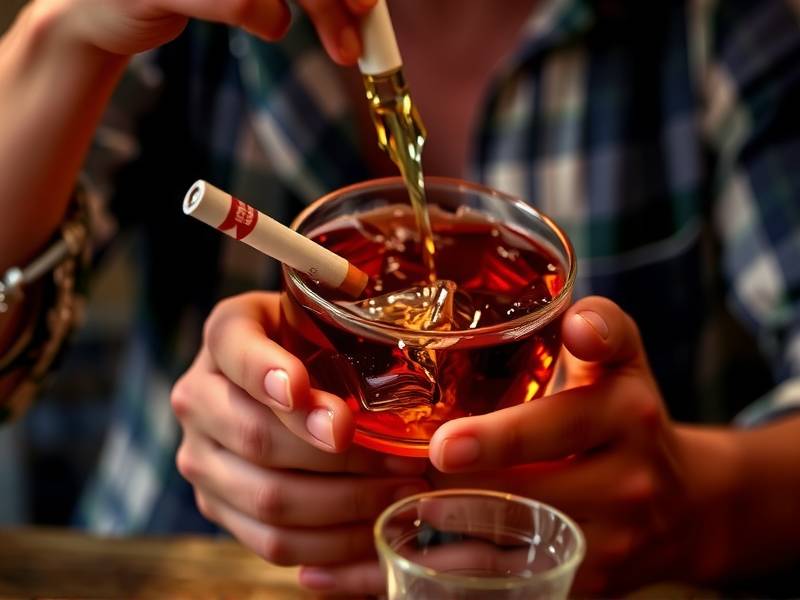
B. Social and Environmental Factors Smoking is often associated with social settings where it is easily accessible. Breaking free from these environments can be challenging for smokers who have become accustomed to using tobacco as a social activity.
C. Psychological Factors Smokers often use smoking as a coping mechanism for stress or anxiety. Quitting smoking requires finding alternative ways to manage these emotions without resorting to smoking.
II. The Challenges of Quitting Drinking
A. Physical Dependency Drinking alcohol can also lead to physical dependency, particularly when consumed excessively over a long period of time. Withdrawal symptoms from alcohol can be severe and even life-threatening in some cases.
B. Social and Cultural Influences Drinking is deeply ingrained in many cultures as a social activity or a way to unwind after a long day. Breaking free from this norm can be difficult for individuals who have become accustomed to using alcohol as part of their daily routine.
C. Psychological Factors Similar to smoking, drinking can serve as a coping mechanism for stress or anxiety. Finding alternative ways to manage these emotions without relying on alcohol is crucial for successful quitting.
III. Comparing the Difficulty of Quitting Smoking vs. Drinking
A. Physical Symptoms While both habits can cause physical dependency and withdrawal symptoms, the severity may vary between individuals based on factors such as duration of use, amount consumed, and overall health.
B. Psychological Challenges Both quitting smoking and drinking involve psychological challenges related to managing stress or anxiety without resorting to their respective substances.
C. Social Support and Resources Accessing support systems and resources tailored specifically for either habit may vary in availability and effectiveness.
Conclusion: Determining which habit is harder to quit—smoking or drinking—depends on various factors such as individual circumstances, physical health, psychological resilience, and available support systems. Both habits present significant challenges that require determination, patience, and commitment from individuals seeking freedom from addiction.
Note: This article aims to provide general information about the challenges associated with quitting smoking and drinking but should not replace professional medical advice or treatment programs tailored specifically for addiction recovery.