
Why Are My Gums Bleeding Since I Quit Smoking?
Understanding Gum Bleeding After Smoking Cessation: Causes and Solutions
Introduction: Quitting smoking is a significant step towards a healthier lifestyle, but it can also bring about unexpected challenges. One common issue that many smokers face after quitting is bleeding gums. This article aims to explore the reasons behind this phenomenon and provide practical solutions to help you manage it effectively.
Section 1: The Importance of Oral Health Gum bleeding after quitting smoking may be a sign of poor oral health. It's crucial to understand the importance of maintaining good oral hygiene, as it plays a vital role in overall health.

Subsection 1.1: The Role of Saliva Saliva acts as a natural defense against bacteria in the mouth. Smoking reduces saliva production, leading to an increased risk of gum disease and bleeding.
Subsection 1.2: Gum Disease and Smoking Smoking is a significant risk factor for gum disease, also known as periodontal disease. Gum disease can cause inflammation, bleeding, and eventually tooth loss if left untreated.
Section 2: Reasons for Bleeding Gums After Quitting Smoking Quitting smoking can lead to gum bleeding due to several reasons:
Subsection 2.1: Improved Blood Circulation As nicotine withdrawal occurs, blood circulation improves, which can cause the gums to become more sensitive and prone to bleeding.
Subsection 2.2: Healing Process The gums may bleed as they heal from previous damage caused by smoking. It's essential to give your gums time to recover.
Subsection 2.3: Reduced Saliva Production Nicotine withdrawal can temporarily reduce saliva production, increasing the risk of gum infection and bleeding.
Section 3: Managing Bleeding Gums After Quitting Smoking
Subsection 3.1: Brushing Techniques Use a soft-bristled toothbrush and gentle brushing techniques when cleaning your teeth. Brushing too hard or using a hard-bristled brush can worsen gum bleeding.
Subsection 3.2: Flossing Regularly Flossing removes food particles trapped between teeth that contribute to gum infection and bleeding.
Subsection 3.3: Using Mouthwash An antiseptic mouthwash can help reduce bacteria in the mouth and promote healing of inflamed gums.
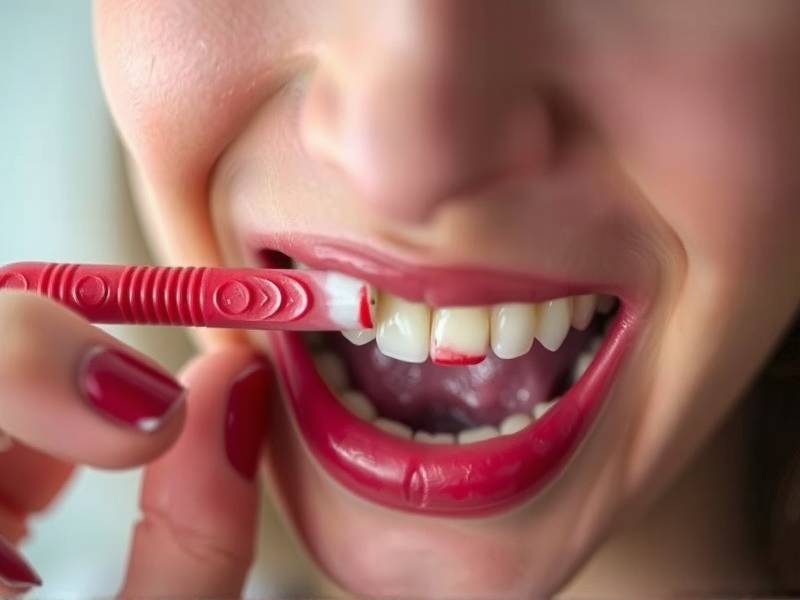
Subsection 3.4: Seeking Professional Help If you experience persistent gum bleeding or other oral health issues after quitting smoking, consult with a dentist for proper evaluation and treatment.
Conclusion: Bleeding gums after quitting smoking are common but manageable with proper oral hygiene practices and professional guidance when necessary. By taking care of your oral health, you'll be one step closer to achieving your goal of living smoke-free while maintaining optimal overall well-being.