
How Quick Does Blood Pressure Lower After Quitting Smoking?
The Swift Transformation: How Quickly Blood Pressure Decreases Post-Quitting Smoking
Introduction: Smoking is a well-known health hazard, with its adverse effects on the body ranging from respiratory issues to cardiovascular diseases. One of the most significant impacts of smoking is on blood pressure. If you're contemplating quitting smoking, you might be curious about how quickly your blood pressure can start to improve. Let's delve into this topic and uncover the rapid transformation that awaits those who make the switch.
How Does Smoking Affect Blood Pressure? Before we dive into how quickly blood pressure decreases after quitting, it's essential to understand how smoking contributes to elevated blood pressure. When you smoke, nicotine enters your bloodstream and causes your heart to beat faster and your blood vessels to narrow. This response raises your blood pressure and increases your risk of heart disease and stroke.
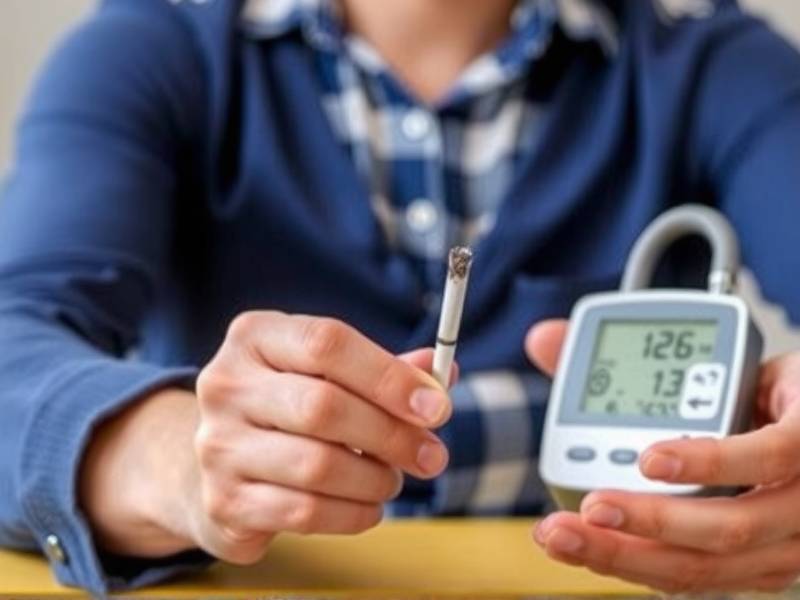
The Rapid Decline in Blood Pressure After Quitting Smoking:
-
Immediate Effects: Within minutes of quitting smoking, the body begins its healing process. The levels of nicotine in your bloodstream start to decrease, leading to a gradual reduction in heart rate and a slight drop in blood pressure.
-
Short-Term Improvements: Within 12 hours of quitting, carbon monoxide levels in your blood begin to fall, allowing oxygen-rich blood to flow more freely through your arteries. This can lead to a noticeable drop in blood pressure within a few days.
-
Long-Term Benefits: Over time, as the body continues to repair itself from the damage caused by smoking, long-term improvements in blood pressure become evident. According to research from the American Heart Association (AHA), within 1-2 years after quitting smoking, your risk of heart disease decreases significantly.
The Role of Nicotine Replacement Therapy (NRT): For many individuals, using nicotine replacement therapy can aid in their journey towards quitting smoking. NRT provides a controlled dose of nicotine without the harmful effects of tobacco smoke. Studies have shown that NRT can help lower blood pressure more quickly than cold turkey methods alone.
Why is Monitoring Blood Pressure Important? Monitoring your blood pressure after quitting smoking is crucial for tracking progress and ensuring that you're on the right path towards better health. Regular check-ups with a healthcare professional can provide valuable insights into how well you're doing and help adjust any necessary strategies or treatments.

Conclusion: Quitting smoking is a significant step towards improving overall health, including lowering blood pressure. While it may seem like an overwhelming task at first glance, understanding the swift transformation that occurs within hours and days after quitting can provide motivation and hope for success. Embrace this journey with determination and support from healthcare professionals or support groups – because every puff less smoked brings you one step closer to better health!