
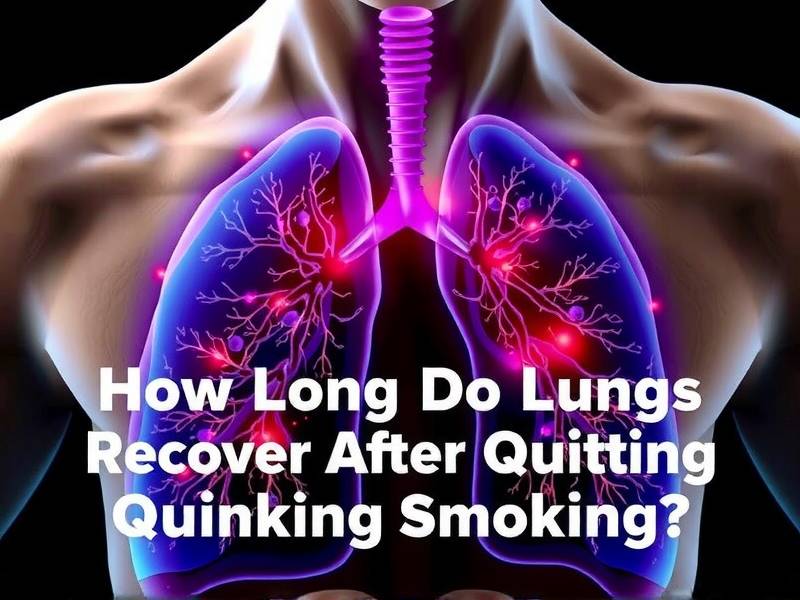
How Long Do Lungs Take to Recover After Quitting Smoking?
The Journey to Lung Recovery: How Long Does it Take After Quitting Smoking?
Introduction: Quitting smoking is a significant step towards a healthier life. Many smokers are eager to know how quickly their lungs can recover after quitting. This article delves into the timeline of lung recovery, offering insights into the process and what you can expect.
-
Immediate Benefits: When you quit smoking, your body begins to repair itself almost immediately. Within minutes of quitting, your heart rate and blood pressure start to drop, and the carbon monoxide levels in your blood begin to decrease. This rapid reduction in carbon monoxide improves oxygen flow to your organs, including your lungs.
-
One Month Post-Quit: After just one month of not smoking, you'll notice some significant changes. Your lung function may have improved by as much as 10%. This improvement means that your body can now take in more oxygen with each breath.
-
Three Months Post-Quit: Within three months of quitting, the inflammation in your lungs starts to decrease, and you'll likely find it easier to breathe during physical activities like walking or running. Your lungs are on their way to recovery.
-
Six Months Post-Quit: At this stage, many people report a noticeable improvement in their overall health and well-being. The cilia in your lungs start to regenerate, which helps clear mucus and debris from the airways more effectively.
-
One Year Post-Quit: One year after quitting smoking, the risk of heart disease begins to decline significantly compared to that of continuing smokers. Additionally, lung function continues to improve as the cilia become more efficient at removing mucus and debris from the airways.
-
Five Years Post-Quit: After five years without smoking, your risk of stroke is reduced by about 50%. Lung cancer risk also decreases significantly during this period.
-
Ten Years Post-Quit: The longer you remain smoke-free, the greater the benefits for your lungs and overall health become apparent. Ten years after quitting smoking, your risk of lung cancer drops by half compared to that of continuing smokers.
-
Continuous Improvement Over Time: It's important to remember that lung recovery is an ongoing process that continues for years after quitting smoking. With each passing year without tobacco exposure, your lungs continue to improve and reduce the risk of developing chronic obstructive pulmonary disease (COPD) and other respiratory conditions.
Conclusion: Quitting smoking is a gift you give yourself—a chance for better health and a longer life filled with fewer complications related to lung disease. While recovery takes time, the benefits are well worth it. By understanding how long it takes for your lungs to recover after quitting smoking, you can stay motivated on this life-changing journey towards better health.