
Can Your Lungs Hurt When You Quit Smoking?
Can Your Lungs Hurt When You Quit Smoking?
Introduction: Quitting smoking is a significant step towards a healthier lifestyle, but it can also be a challenging journey. Many smokers worry about the physical effects of quitting, particularly the potential for their lungs to hurt. In this article, we will explore whether your lungs can hurt when you quit smoking and what you can do to alleviate any discomfort.
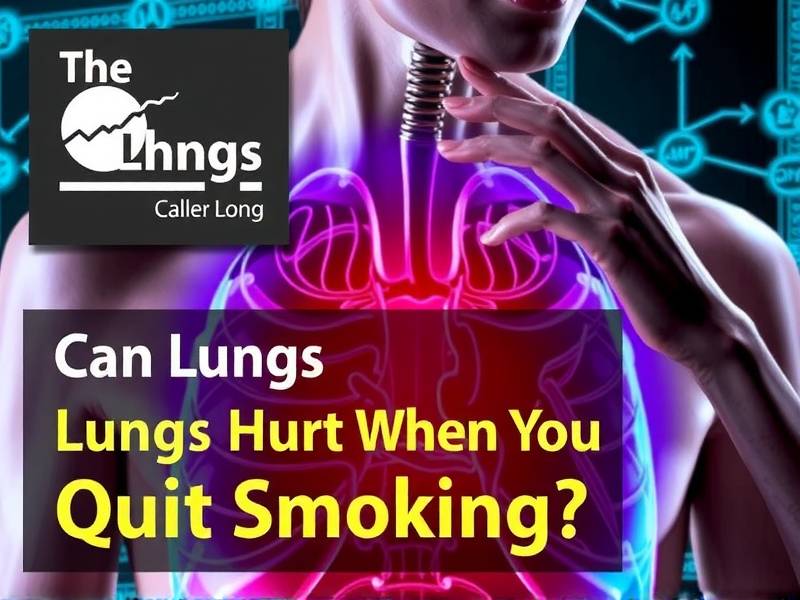
Understanding the Impact of Smoking on Your Lungs
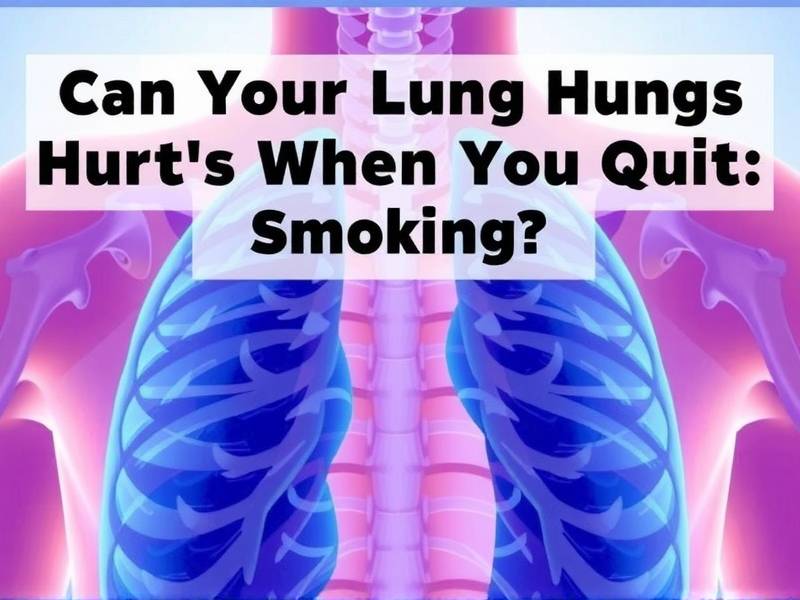
Smoking damages the delicate tissues in your lungs, leading to inflammation and scarring. Over time, this damage can result in chronic conditions like chronic obstructive pulmonary disease (COPD) and lung cancer. When you quit smoking, your body begins to repair itself, but this process can sometimes cause discomfort.
The Role of Nicotine Withdrawal
One of the primary reasons why quitting smoking might cause your lungs to hurt is nicotine withdrawal. Nicotine is an addictive substance that affects your brain's reward system. When you stop smoking, your body goes into withdrawal, which can cause various symptoms, including:
- Coughing
- Shortness of breath
- Chest tightness
- Headaches
These symptoms are often temporary and typically subside within a few weeks as your body adjusts to not having nicotine.
Relieving Lung Discomfort After Quitting Smoking
While it's normal to experience some discomfort when quitting smoking, there are several ways to alleviate lung pain:
- Stay Hydrated: Drinking plenty of water helps thin mucus in your lungs and makes coughing easier.
- Deep Breathing Exercises: Techniques like pursed-lip breathing or diaphragmatic breathing can help improve lung function and reduce chest tightness.
- Stay Active: Regular exercise increases oxygen flow to your lungs and helps with weight management.
- Seek Support: Joining a support group or seeking help from a healthcare professional can provide emotional support and practical advice.
Long-Term Benefits of Quitting Smoking
It's important to remember that while quitting smoking may cause temporary discomfort in your lungs, the long-term benefits are substantial:
- Within 48 hours of quitting, your risk of heart attack decreases.
- Within 2 weeks to 3 months after quitting, you'll likely notice an improvement in coughing and shortness of breath.
- Within 1 to 9 months after quitting, your risk of heart disease is reduced by half compared with continuing smokers.
- Within 5 years after quitting, your risk of stroke is similar to that of non-smokers.
Conclusion: While it's possible for your lungs to hurt when you quit smoking due to nicotine withdrawal and the healing process, these symptoms are usually temporary. By staying hydrated, engaging in deep breathing exercises, maintaining an active lifestyle, and seeking support when needed, you can alleviate any discomfort associated with quitting smoking. Remember that the long-term benefits far outweigh any short-term challenges on this journey towards better health.