
Can You Get Cancer If You Quit Smoking?
Can You Get Cancer If You Quit Smoking? Unveiling the Truth
Introduction: The question, "Can you get cancer if you quit smoking?" may seem counterintuitive, but it's a concern that many smokers have. The truth is, quitting smoking can have numerous health benefits, including reducing your risk of developing certain types of cancer. In this article, we'll explore the relationship between quitting smoking and cancer risk.
Understanding the Risks of Smoking

Firstly, it's essential to understand that smoking is a leading cause of cancer. According to the American Cancer Society, about 30% of all cancer deaths are related to smoking. This includes various types of cancer such as lung, throat, mouth, esophagus, pancreas, kidney, bladder, and cervix.
The Benefits of Quitting Smoking
When you quit smoking, your body begins to heal almost immediately. Within 20 minutes of quitting, your heart rate and blood pressure drop to safer levels. Within 12 hours, carbon monoxide levels in your blood return to normal. Over time, quitting smoking can significantly reduce your risk of developing various types of cancer.
Reduced Risk of Developing Cancer
Research has shown that by quitting smoking, you can reduce your risk of developing lung cancer by about 50% within 15 years compared to continuing smokers. For other types of cancer like throat or mouth cancer, the reduction in risk is also significant.
The Importance of a Healthy Lifestyle
While quitting smoking can significantly reduce your risk of developing certain cancers, it's important to note that other lifestyle factors play a role in your overall health and cancer risk. Eating a balanced diet rich in fruits and vegetables, exercising regularly, and avoiding other harmful substances like alcohol can further reduce your chances.
Common Misconceptions
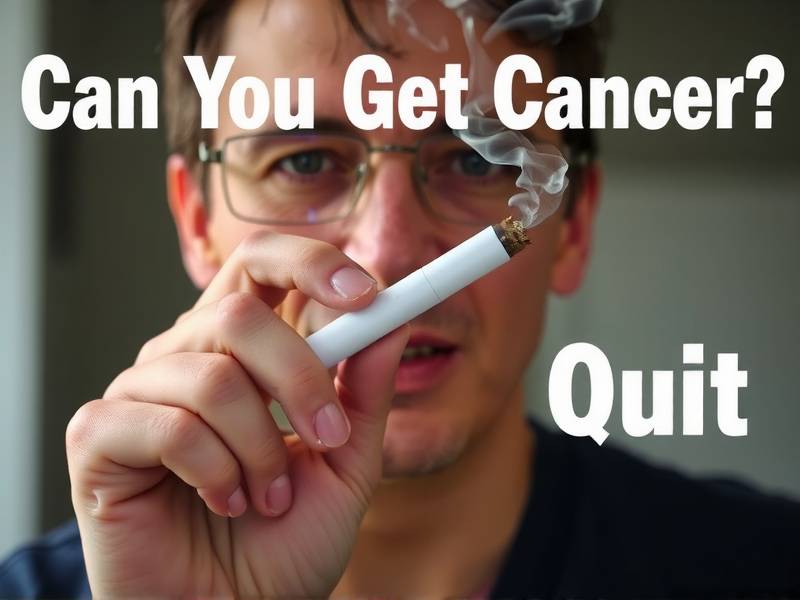
Some people believe that if they quit smoking but continue with other harmful habits like excessive alcohol consumption or poor diet choices; they'll still be at high risk for developing cancer. While it's true that these factors can increase your overall risk for cancer; quitting smoking is still an essential step towards improving your health.
Conclusion:
In conclusion, while there's no guarantee that you won't develop any type of cancer after quitting smoking; the evidence clearly shows that doing so can significantly reduce your risk compared to continuing to smoke. It's important to remember that making positive changes in all aspects of your life will contribute to a healthier future. So why not take the first step today and give up the habit that could potentially lead to life-threatening diseases?