
How Long Do You Need to Quit Smoking Before Plastic Surgery?
The Timeline for Smoking Cessation Before Plastic Surgery: What You Need to Know
Introduction: Plastic surgery is a significant decision, and it's crucial to consider all aspects before undergoing the procedure. One vital factor often overlooked is the timing of smoking cessation. This article delves into how long you should quit smoking before opting for plastic surgery and the potential benefits it brings.
I. The Impact of Smoking on Plastic Surgery
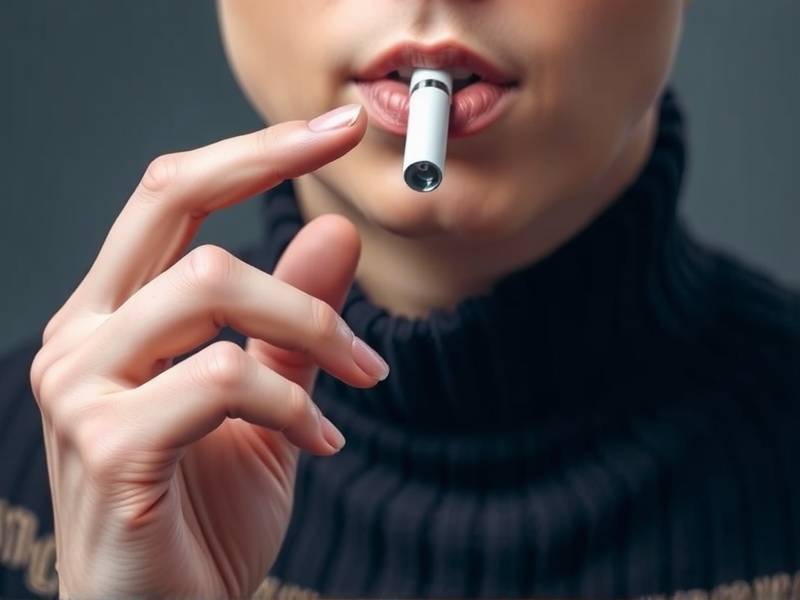
A. Smoking and Wound Healing Smoking can significantly impair the body's ability to heal after surgery. The chemicals in cigarettes can constrict blood vessels, reducing blood flow to the surgical site. This can lead to delayed wound healing, increased risk of infection, and poor overall results.
B. Smoking and Scarring Smokers are more prone to excessive scarring due to poor wound healing. This can affect the final outcome of your plastic surgery, making it crucial to quit smoking well in advance of your procedure.
II. The Recommended Timeline for Smoking Cessation
A. Surgeon's Guidance The recommended timeline for quitting smoking before plastic surgery varies depending on the surgeon's expertise and patient-specific factors. However, most surgeons advise patients to quit smoking at least 6-8 weeks before their procedure.
B. The Importance of Long-Term Abstinence While quitting smoking 6-8 weeks before surgery is beneficial, long-term abstinence is even more crucial for optimal results. Patients who continue smoking after their procedure may face complications such as delayed healing and increased scarring.
III. Benefits of Quitting Smoking Before Plastic Surgery
A. Improved Wound Healing By quitting smoking, you increase blood flow to the surgical site, promoting faster wound healing and reducing the risk of infection.

B. Reduced Scarring Quitting smoking helps minimize excessive scarring by improving skin elasticity and reducing inflammation.
C. Enhanced Overall Results With better wound healing and reduced scarring, you're more likely to achieve satisfying results from your plastic surgery.
IV. Alternative Options for Smokers
A. Nicotine Replacement Therapy (NRT) If you're struggling to quit smoking, NRT options such as patches, gum, or lozenges may help reduce withdrawal symptoms and increase your chances of success.
B. Professional Help Seeking assistance from a healthcare professional or joining a support group can provide additional resources and motivation for quitting smoking before your plastic surgery.
Conclusion: Quitting smoking before plastic surgery is essential for achieving optimal results and reducing complications post-operatively. By following your surgeon's recommendations and maintaining long-term abstinence from tobacco products, you can enhance your recovery process and improve the final outcome of your procedure. Remember that taking this step towards a healthier lifestyle will not only benefit your appearance but also improve your overall well-being.