
Why Do My Lungs Hurt After Quitting Smoking Weed?
Introduction: The Unexpected Side Effect of Giving Up Weed
Quitting smoking weed can be a challenging endeavor, and for many, it brings about a range of unexpected side effects. One common complaint is the discomfort or pain in the lungs. This article aims to explore the reasons behind this phenomenon and provide some relief strategies.
Understanding the Connection Between Weed and Lung Pain
1. The Impact of Smoke on Lung Function
When you smoke weed, the smoke is inhaled into your lungs, where it can cause irritation and inflammation. Over time, this can lead to symptoms such as coughing, shortness of breath, and chest pain. While quitting smoking weed may seem like a straightforward solution to alleviate these issues, it can actually exacerbate them temporarily.
2. Detoxification Process
As you stop smoking weed, your body begins to detoxify itself from the accumulated toxins. This process can cause discomfort in various parts of your body, including your lungs.
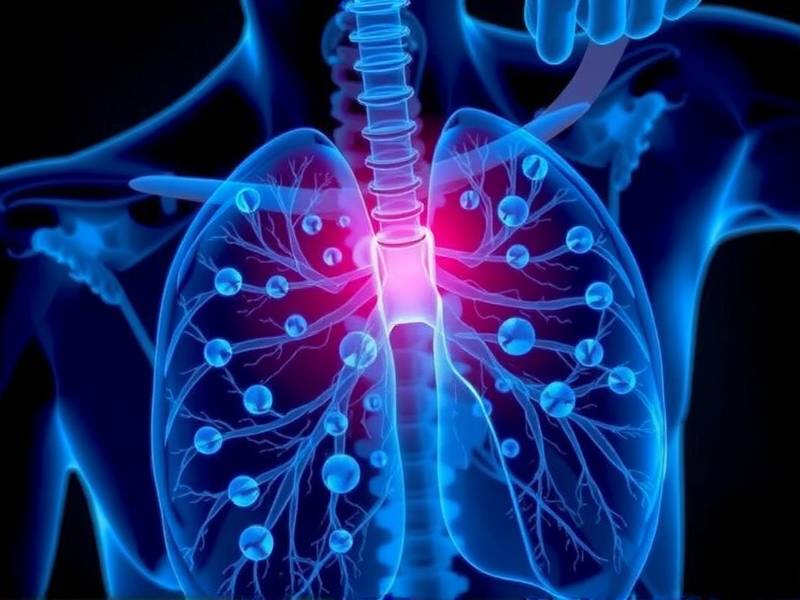
Common Causes of Lung Pain After Quitting Smoking Weed
1. Withdrawal Symptoms
One possible reason for lung pain after quitting smoking weed is withdrawal symptoms. As your body adjusts to not having THC (the psychoactive compound in marijuana), it may experience a range of physical and psychological symptoms, including chest pain.
2. Coughing
Another common symptom experienced by those who quit smoking weed is coughing. This coughing can be caused by the removal of mucus from your lungs that was previously being held back by THC's relaxing effects on your bronchial tubes.
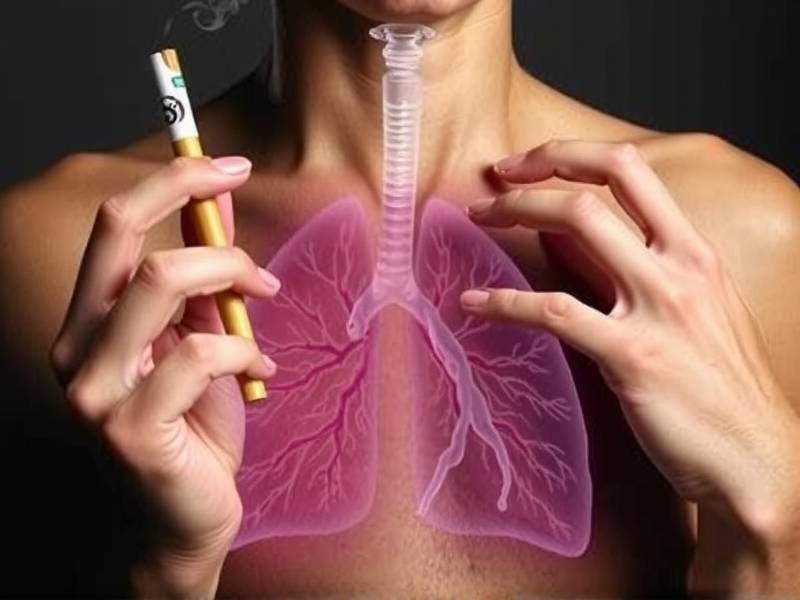
3. Inflammation
The inflammation caused by the smoke you've been inhaling over time can also contribute to lung pain after quitting smoking weed.
How to Manage Lung Pain After Quitting Smoking Weed
1. Stay Hydrated
Drinking plenty of water helps thin mucus and makes it easier for your body to expel it from your lungs.
2. Use Steam Therapy
Steam therapy helps open up airways and reduce inflammation in your lungs.
3. Practice Deep Breathing Exercises
Deep breathing exercises can help improve lung function and alleviate chest pain.
4. Consult a Healthcare Professional
If you're experiencing severe lung pain or other concerning symptoms after quitting smoking weed, it's essential to consult with a healthcare professional for personalized advice and treatment options.
Conclusion: The Importance of Patience and Support
Quitting smoking weed is an important decision that comes with its own set of challenges and side effects. Understanding the reasons behind lung pain after quitting can help you manage these symptoms effectively and make the transition smoother.
Remember that patience is key during this period of adjustment, and seeking support from friends, family, or support groups can provide additional comfort during this journey towards better health.